
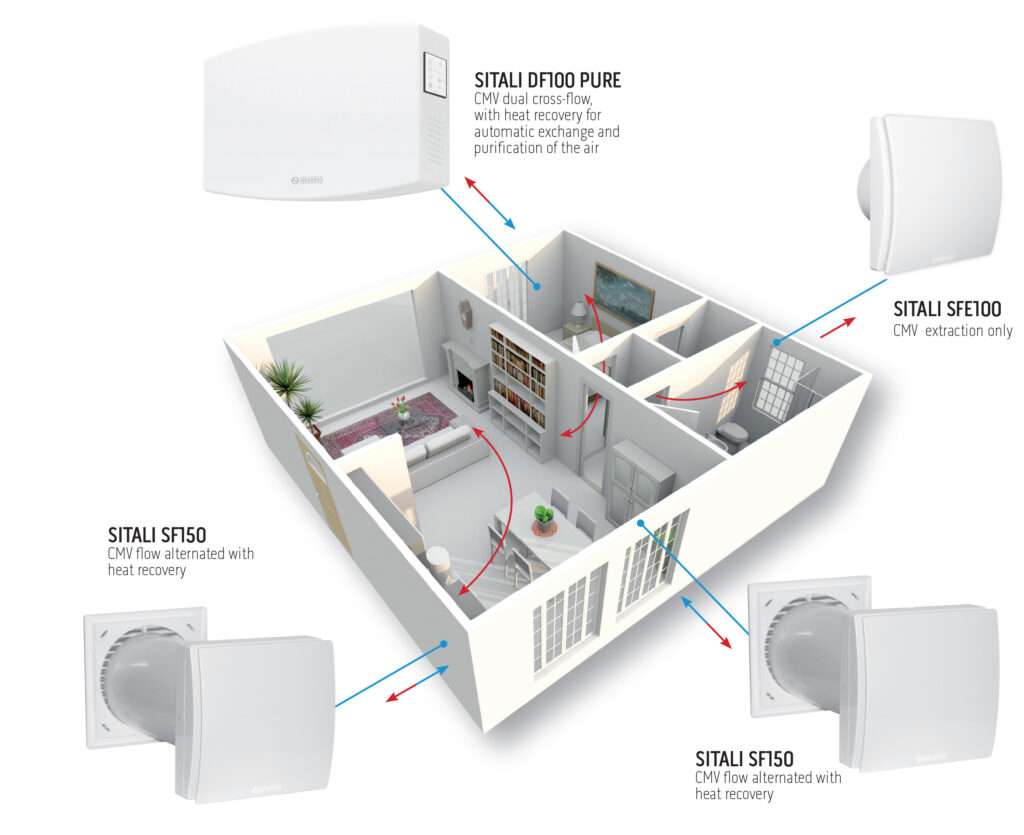
Mechanical ventilation, also known as forced air ventilation, is a system that supplies fresh air to buildings and removes stale air. This type of ventilation has become increasingly popular in recent years due to its numerous benefits.
In this article, we will explore the different types of mechanical ventilation systems, their advantages, and the factors that determine their cost. We will also delve into how mechanical ventilation works, its applications, and address common questions and concerns.
What is Mechanical Ventilation?
Mechanical ventilation, also known as forced air ventilation, is a system that supplies fresh air to buildings and removes stale air. This type of ventilation has become increasingly popular in recent years due to its numerous benefits.
In this article, we will explore the different types of mechanical ventilation systems, their advantages, and the factors that determine their cost.
Types of Mechanical Ventilation Systems
There are several types of mechanical ventilation systems, each with its own unique characteristics. Here are some of the most common types:
Centralized or Canalized System
This system is commonly used in high-rise buildings, such as condominiums and office buildings. It consists of a central unit that serves multiple units in an apartment complex.
Decentralized System
In this system, each individual room has its own ventilation unit. This type of system is ideal for small apartments or homes with separate living areas.
Individualized or Independent System
This system allows each room to have its own independent ventilation unit. It’s perfect for large homes or offices where multiple areas require different ventilation settings.
How Mechanical Ventilation Works
Mechanical ventilation works by drawing in fresh air from outside and removing stale air from inside a building. The process involves the following steps:
- Air intake: Fresh air is drawn into the system through vents or grilles.
- Pre-filtration: The air passes through pre-filters to remove large particles, such as dust and dirt.
- Main filtration: The air then passes through a main filter, which removes smaller particles, including pollutants and allergens.
- Heat recovery: Some systems use heat recovery technology to capture heat from the exhaust air and transfer it to the fresh air entering the system.
Benefits of Mechanical Ventilation
Mechanical ventilation offers several benefits, including:
- Improved indoor air quality: By removing stale air and introducing fresh air, mechanical ventilation can improve indoor air quality.
- Reduced energy consumption: By recovering heat from exhaust air, mechanical ventilation can reduce energy consumption.
- Increased comfort: Mechanical ventilation can help regulate temperature and humidity levels in a building.
Cost of Mechanical Ventilation
The cost of mechanical ventilation depends on several factors, including the type of system, its size, and the complexity of the installation. Here are some approximate costs:
- Centralized system: $5,000 – $7,500
- Decentralized system: $3,000 – $6,000
- Individualized system: $4,000 – $8,000
Conclusion
Mechanical ventilation is a valuable investment for building owners and occupants. By understanding the different types of mechanical ventilation systems and their benefits, you can make an informed decision about which system is best for your needs.
Here are some frequently asked questions that address common concerns:
Q: How often should I clean my air filters?
A: Air filters should be cleaned or replaced every 1-3 months, depending on usage and manufacturer recommendations.
Q: Can mechanical ventilation systems be used with solar panels?
A: Yes, many mechanical ventilation systems can be designed to work in conjunction with solar panels.
Q: How long does it take for a mechanical ventilation system to pay off its upfront cost?
A: The time frame varies depending on factors like energy efficiency and local building codes.
Types of Mechanical Ventilation Systems – Centralized or Canalized System
The centralized or canalized system is the most common type of mechanical ventilation system. It’s used in high-rise buildings, such as condominiums and office buildings. This type of system consists of a central unit that serves multiple units in an apartment complex.
Advantages of Centralized System:
- Cost-effective
- Simplifies maintenance and repair
- Can be designed to meet specific ventilation needs
Disadvantages of Centralized System:
- Limited flexibility due to the centralized nature of the system
- Requires more space for the central unit
Types of Mechanical Ventilation Systems – Decentralized System
The decentralized system is ideal for small apartments or homes with separate living areas. Each individual room has its own ventilation unit, allowing for greater control over ventilation settings.
Advantages of Decentralized System:
- Flexibility and adaptability
- Easier to install in existing buildings
- Can be more energy-efficient due to smaller units
Disadvantages of Decentralized System:
- More expensive than centralized systems
- Requires more space for individual units


