
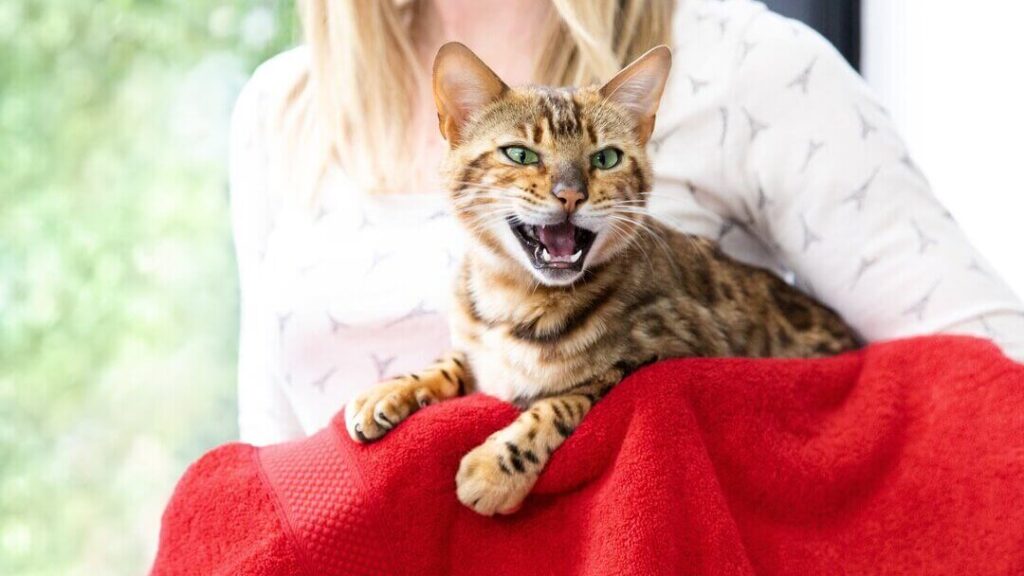
Understanding the causes of your cat’s nocturnal meowing is essential to ensure you provide the best care for your feline friend. In this article, we will delve into the reasons behind your cat’s nighttime meowing and explore ways to address this common issue.
Common Causes of Nocturnal Meowing in Cats
As we age, our understanding of animal behavior becomes more nuanced. Cats, being naturally nocturnal creatures, may exhibit unusual behavior during the day due to various factors. The primary cause of a cat’s meowing at night is often a sign that something is amiss.
Why Do Senior Cats Miagolare di Notte?
Anomalous behavior in cats is often associated with aging. In senior cats, this can be indicative of degenerative brain disease or cognitive decline.
Symptoms of Cognitive Decline in Senior Cats
The following behaviors are commonly observed in senior cats with cognitive decline:
- Fixation on nothing
- Decreased appetite
- Lack of responsiveness to stimuli
- Apathy
- Low energy levels
- Nocturnal meowing and agitation
- Disorientation
How Can You Support Your Senior Cat?
Supporting your senior cat can make a significant difference in their quality of life. Here are some ways you can help:
- Maintain a regular routine: Stick to a consistent daily schedule for feeding, playtime, and sleep.
- Provide mental stimulation: Engage your senior cat with puzzle toys filled with treats or provide scratching posts to keep them active.
- Create a comfortable environment: Ensure their bedding is warm and comfortable, and consider using ramps or stairs to facilitate movement.
- Monitor health issues: Regular veterinary check-ups can help identify potential health problems early on.
What Does a Cat’s Meow Say?
When we observe our cats, we should remember that they are trying to communicate with us. By paying attention to their vocalizations, we can better understand what’s driving their behavior.
Understanding Your Cat’s Anxieties
Your cat may be experiencing anxiety or stress due to various factors such as changes in the environment, health issues, or even a lack of stimulation.
Possible Causes of Anxiety in Cats
- Unfamiliar surroundings
- Lack of social interaction
- Changes in household dynamics
- Health problems
- Sensory issues
How Can You Help Your Anxious Cat?
Helping your anxious cat can be achieved through the following steps:
- Provide a safe space: Create a quiet and comfortable area where your cat can retreat when feeling anxious.
- Reduce stress triggers: Identify potential stressors, such as loud noises or changes in household dynamics, and take steps to mitigate them.
- Increase social interaction: Spend quality time with your cat, engaging in playtime activities or simply cuddling.
- Consider calming aids: Consult with a veterinarian about using calming products, such as pheromone diffusers or calming treats.
Nocturnal Meowing: A Sign of Physical Discomfort
Physical discomfort can also be a contributing factor to your cat’s nocturnal meowing. Common causes include:
- Arthritis: Stiffness and pain in the joints may cause your cat to seek relief by meowing during the night.
- Dental issues: Toothaches or gum disease can lead to increased vocalization, especially at night.
- Allergies: Seasonal allergies or food allergies can cause discomfort and lead to nocturnal meowing.
How Can You Support Your Cat’s Physical Health?
Supporting your cat’s physical health is crucial in addressing their nocturnal meowing. Here are some ways you can help:
- Maintain a healthy weight: Ensure your cat stays at a healthy weight through a balanced diet and regular exercise.
- Provide regular veterinary check-ups: Regular check-ups can help identify potential health problems early on.
- Offer a comfortable environment: Ensure their bedding is warm and comfortable, and consider using ramps or stairs to facilitate movement.
Nocturnal Meowing: A Sign of Attention Seeking
Your cat may be meowing at night due to attention-seeking behavior. This can be caused by a variety of factors, including:
- Attention deprivation: If your cat feels neglected or ignored during the day, they may seek attention through nocturnal meowing.
- Boredom: Lack of stimulation or playtime activities may lead to boredom and attention-seeking behavior.
How Can You Address Attention-Seeking Behavior?
Addressing attention-seeking behavior can be achieved through the following steps:
- Establish a consistent routine: Stick to a regular daily schedule for feeding, playtime, and sleep.
- Provide mental stimulation: Engage your cat with puzzle toys filled with treats or provide scratching posts to keep them active.
- Increase social interaction: Spend quality time with your cat, engaging in playtime activities or simply cuddling.
By understanding the causes of your cat’s nocturnal meowing and taking steps to address these issues, you can help improve their overall quality of life. Remember, every cat is different, so it may take some trial and error to determine what works best for your feline friend.


