
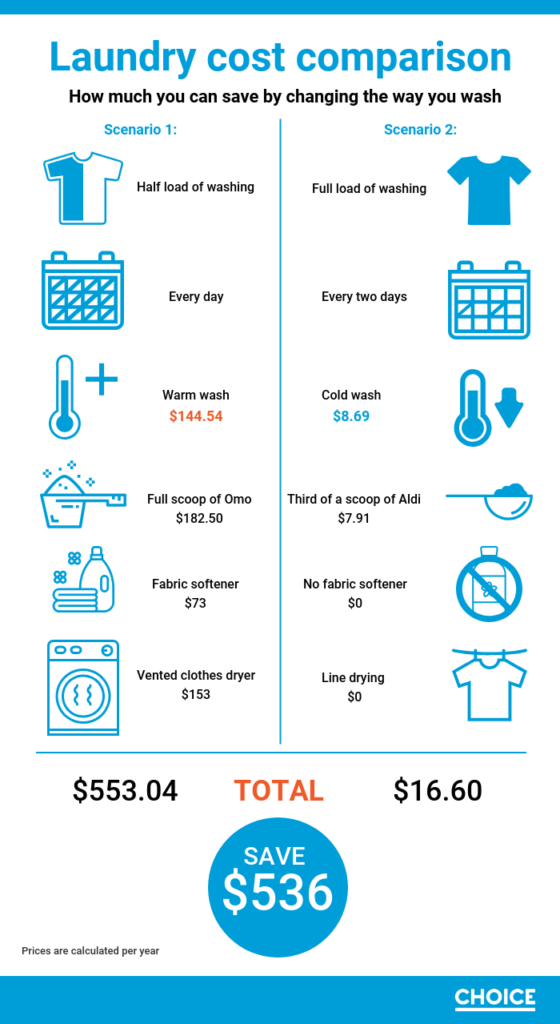
Are you tired of wasting energy and money on your laundry routine? Do you want to ensure that your clothes come out clean and fresh without damaging delicate fabrics or overloading your washing machine? Look no further! In this article, we’ll explore the best tips and tricks for optimizing your laundry routine to save energy and get the most out of your washing machine.
Understanding Your Washing Machine’s Programs
Modern washing machines come with a variety of programs designed to tackle different types of fabrics and soil levels. Some programs are optimized for specific fabric types, while others are more general-purpose. Understanding how these programs work can help you optimize your laundry routine and save energy.
For example, the cotton program is designed for everyday laundry items like t-shirts and jeans. However, using this program on delicate items like lingerie or woolens can cause damage to the fabrics. Similarly, the synthetic/mixed program is best suited for washing items made from polyester or blends, as it uses a lower temperature setting that helps preserve the fibers.
Choosing the Right Load Size
One of the most effective ways to optimize your laundry routine is by choosing the right load size. Overloading your washing machine can lead to reduced efficiency, increased energy consumption, and even damage to the machine itself.
As a general rule, it’s best to fill your washing machine to about 60% capacity for most loads. This allows the water to flow freely through the machine, ensuring that all garments are properly cleaned without overloading the system. However, if you’re washing heavily soiled items or bulkier items like comforters, you may need to use a larger load size.
Tips for Optimizing Energy Efficiency
Here are some additional tips to help you optimize energy efficiency when doing laundry:
- Separate Delicates: Designating separate loads for delicate items can help prevent damage and save energy. This is especially important for washing lingerie, woolens, or any other item that requires gentle care.
- Use Cold Water: Washing clothes in cold water can significantly reduce energy consumption, especially for lighter loads. For example, washing towels or bedding in cold water can save up to 50% of the energy used for hot water cycles.
- Pre-Treat Stains: Pre-treating stains before washing can help reduce the number of wash cycles required, saving both time and energy. Use a stain remover or laundry detergent specifically designed to target tough stains.
- Use the Right Detergent: Choosing the right detergent for your washing machine and load size can also help optimize energy efficiency. For example, using an eco-friendly detergent with lower phosphorus content can reduce water pollution while minimizing energy consumption.
Best Practices for Specific Fabric Types
When it comes to specific fabric types, there are some best practices that can help optimize your laundry routine:
- Linen and Cotton: These natural fibers benefit from hot water temperatures. Wash in hot water (around 60°C) to remove dirt and odors effectively.
- Synthetic and Blends: For synthetic or blended fabrics, use a lower temperature setting (around 30-40°C). This helps preserve the fibers and prevent shrinkage.
- Woolens and Delicates: When washing woolens or delicate items, use cold water and avoid overloading the machine. Consider hand-washing these items to prevent damage.
Tips for Washing Bulkier Items
When it comes to washing bulkier items like comforters or pillows, there are some specific tips to keep in mind:
- Use a larger load size: When washing bulkier items, use a larger load size to ensure that the machine has enough water and space to clean these items effectively.
- Choose the right cycle: Select a cycle with a longer wash time (around 1-2 hours) to allow for sufficient cleaning and rinsing of bulky items.
- Check for fabric tags: Always check the fabric tags on bulkier items like comforters or pillows to ensure that you’re using the recommended washing instructions.
Common Laundry Mistakes to Avoid
When it comes to optimizing your laundry routine, there are some common mistakes to avoid:
- Overloading the machine: Overloading your washing machine can lead to reduced efficiency, increased energy consumption, and even damage to the machine itself.
- Using too much detergent: Using too much detergent can result in waste, water pollution, and damage to your clothes. Use the recommended amount of detergent for your load size and washing machine.
- Not checking fabric care labels: Failing to check fabric care labels on new items can lead to damage or shrinkage.
Conclusion
Optimizing your laundry routine is all about finding the right balance between efficiency, energy consumption, and fabric care. By understanding your washing machine’s programs, choosing the right load size, and following best practices for specific fabric types, you can save time, money, and energy while ensuring that your clothes come out clean and fresh.
Frequently Asked Questions
Q: What is the most energy-efficient way to wash my laundry?
A: Using cold water and separating delicates are two key strategies for optimizing energy efficiency when doing laundry.
Q: How often should I pre-treat stains before washing?
A: Pre-treating stains can help prevent damage and save time. Aim to pre-treat at least half of your clothes before washing.
Q: Can I use hot water for all fabric types?
A: No, hot water is best suited for natural fibers like linen and cotton. Use a lower temperature setting for synthetic or blended fabrics.
Q: How do I prevent damage to delicate items during the wash cycle?
A: Designating separate loads for delicates, using gentle cycles, and avoiding overloading your washing machine can help prevent damage to delicate items.
Q: Can I reuse my washing machine’s filter?
A: Yes, many modern washing machines have filters that can be cleaned or replaced. Check your user manual for specific instructions on how to clean or replace the filter.
Q: How often should I clean my washing machine’s drain pump filter?
A: Depending on usage, you may need to clean your washing machine’s drain pump filter every 1-3 months to ensure optimal performance and prevent clogs.


