
Understanding the Importance of Clean Drinking Water
Access to clean drinking water is a fundamental human right, and yet many of us take it for granted. However, the quality of our tap water can vary greatly depending on our location, infrastructure, and other factors. In this article, we will explore the different types of home water purification systems available in the market, their pros and cons, and what to consider when choosing the right one for your needs.
What is Home Water Purification?
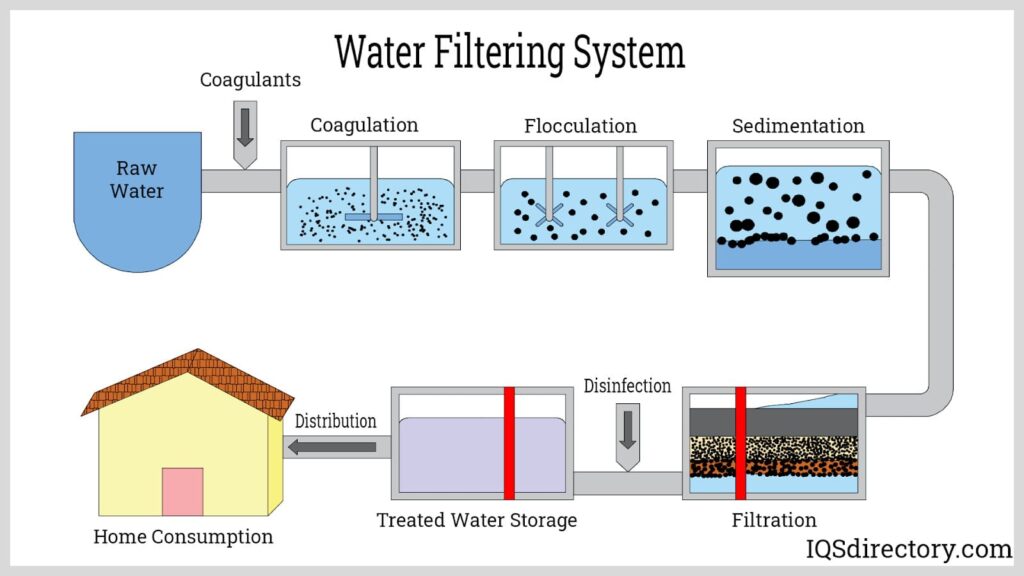
Home water purification refers to the process of removing impurities and contaminants from drinking water to make it safe for consumption. This can be achieved through various methods, including filtration, distillation, and reverse osmosis.
The Benefits of Home Water Purification
There are several benefits to using a home water purification system. Some of these benefits include:
- Improved health: Drinking clean and purified water can help prevent waterborne illnesses and improve overall health.
- Reduced risk of disease: Exposure to contaminated water can increase the risk of certain diseases, such as cholera and dysentery.
- Increased property value: Installing a home water purification system can increase the value of your property and make it more attractive to potential buyers.
The Different Types of Home Water Purification Systems
There are several types of home water purification systems available in the market. Some of these systems include:
- Filtration systems: These systems use filters to remove impurities from the water. There are two main types of filtration systems: carbon filters and ion exchange filters.
- Reverse osmosis (RO) systems: These systems use pressure to force the water through a semipermeable membrane, which removes up to 99% of dissolved solids and other impurities from the water.
- Ultraviolet (UV) systems: These systems use UV light to kill bacteria and other microorganisms that may be present in the water.
Filtration Systems: A Cost-Effective Option
One of the most popular types of home water purification systems is filtration. There are several types of filters available, including:
- Carbon filters: These filters use activated carbon to remove chlorine, lead, and other impurities from the water.
- Ion exchange filters: These filters use resins to remove heavy metals and other inorganic compounds from the water.
Benefits of Filtration Systems
Filtration systems are a cost-effective option for home water purification. They are also easy to install and maintain, making them a popular choice among homeowners. However, they may not be as effective as other types of systems in removing all impurities from the water.
Reverse Osmosis (RO) Systems: A More Effective Option
Reverse osmosis systems use pressure to force the water through a semipermeable membrane, which removes up to 99% of dissolved solids and other impurities from the water. These systems are more effective than filtration systems but can be more expensive to purchase and maintain.
Ultraviolet (UV) Systems: A Low-Maintenance Option
Ultraviolet systems use UV light to kill bacteria and other microorganisms that may be present in the water. These systems are low-maintenance and easy to install, making them a popular choice among homeowners.
Benefits of UV Systems
UV systems have several benefits, including:
- They are low-maintenance and easy to install
- They can remove up to 99% of bacteria and other microorganisms from the water
- They are energy-efficient
Disadvantages of UV Systems
While UV systems have several benefits, they also have some disadvantages. These include:
- They may not be as effective in removing dissolved solids and other impurities from the water
- They require regular maintenance to ensure optimal performance
What to Consider When Choosing a Home Water Purification System
When choosing a home water purification system, there are several factors to consider. These include:
- The type of contaminants present in your water (e.g., chlorine, lead, bacteria)
- Your budget and the cost of the system
- The ease of installation and maintenance
How to Choose the Right Home Water Purification System for You
Choosing the right home water purification system can be a daunting task. Here are some tips to help you make an informed decision:
- Assess your water quality: Before choosing a home water purification system, it’s essential to assess the quality of your drinking water. You can do this by testing your water for various contaminants.
- Determine your budget: Decide how much you are willing to spend on a home water purification system. This will help you narrow down your options and choose a system that fits within your budget.
- Consider the ease of installation and maintenance: Choose a home water purification system that is easy to install and maintain. This will save you time and money in the long run.
- Research different types of systems: Research different types of home water purification systems, including filtration systems, RO systems, and UV systems.
Conclusion
Home water purification systems can be an effective way to ensure access to clean drinking water. When choosing a system, consider factors such as the type of contaminants present in your water, your budget, and the ease of installation and maintenance. By following these tips and considering your needs and preferences, you can choose a home water purification system that meets your requirements.
Frequently Asked Questions (FAQs)
- Q: How often should I replace my filter?
A: The frequency of replacing your filter depends on several factors, including the type of filter you have and how often you use it. - Q: What is the difference between a carbon filter and an ion exchange filter?
A: Carbon filters use activated carbon to remove chlorine and other impurities from the water, while ion exchange filters use resins to remove heavy metals and other inorganic compounds. - Q: Are UV systems effective in removing dissolved solids and other impurities from the water?
A: No, UV systems are not as effective in removing dissolved solids and other impurities from the water as some other types of systems, such as reverse osmosis systems.
Home Water Purification Systems vs. Bottled Water
Many people turn to bottled water as a safer alternative to tap water. However, bottled water is not always the best option. Here are some pros and cons of using bottled water:
Pros:
- Convenience: Bottled water is widely available and easy to consume on-the-go.
- Taste: Some people prefer the taste of bottled water over tap water.
Cons:
- Environmental impact: The production, transportation, and disposal of bottled water can have a significant environmental impact.
- Cost: Bottled water can be expensive, especially if you drink it regularly.
Conclusion
Home water purification systems can provide a convenient and cost-effective way to ensure access to clean drinking water. When choosing a system, consider factors such as the type of contaminants present in your water, your budget, and the ease of installation and maintenance. By following these tips and considering your needs and preferences, you can choose a home water purification system that meets your requirements.
Conclusion
Home water purification systems are an essential tool for ensuring access to clean drinking water. When choosing a system, consider factors such as the type of contaminants present in your water, your budget, and the ease of installation and maintenance. By following these tips and considering your needs and preferences, you can choose a home water purification system that meets your requirements.
Additional Tips
- Regularly test your water: Regularly testing your water can help ensure it is safe to drink.
- Maintain your system: Maintaining your home water purification system can help ensure optimal performance and extend its lifespan.
- Consider a whole-house filtration system: If you want to purify all the water in your home, consider installing a whole-house filtration system.


