
Introduction
When we think of love, oxytocin often comes to mind. But what exactly is oxytocin, and how does it work its magic in our bodies? In this article, we’ll delve into the fascinating world of oxytocin, exploring its functions, effects on our lives, and ways to boost its production naturally.
What is Oxytocin?
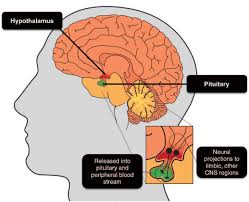
Oxytocin is often referred to as the “hormone of love,” but it’s more than just a romantic notion. This peptide hormone plays a crucial role in various aspects of human life, from social bonding to emotional regulation. Produced by the hypothalamus and released by the pituitary gland, oxytocin stimulates feelings of affection, attachment, and trust.
The Structure of Oxytocin
Let’s take a closer look at the molecular structure of oxytocin. With the formula C43H66N12O12S2, this hormone is composed of a complex mixture of amino acids and sugars. Its unique shape allows it to bind to specific receptors in our bodies, triggering a cascade of physiological responses.
Oxytocin During Birth
The term “oxytocin” literally means “swift birth” in Greek. Indeed, oxytocin plays a vital role during childbirth, facilitating uterine contractions and milk production after delivery. As we bond with our newborns, oxytocin helps create an intense emotional connection between parent and child.
Oxytocin and Sex
During orgasm, oxytocin levels surge fivefold, promoting feelings of pleasure and intimacy. Oxytocin also plays a key role in social bonding, encouraging us to form close relationships with others. Whether it’s through physical touch or shared emotions, oxytocin helps create a sense of connection and trust.
Oxytocin and Relationships
While oxytocin is often associated with romantic love, its effects extend far beyond the bedroom. This hormone also fosters social connections, empathy, and understanding. When we receive affection and support from others, our brains release oxytocin, strengthening our bonds with loved ones.
The Oxytocin-Friendly Diet
Fortunately, we can boost oxytocin production through diet alone! Foods rich in antioxidants, vitamins, and minerals like vanilla, melon, and bananas have been shown to increase oxytocin levels. Additionally, omega-3 fatty acids found in fish and flaxseeds support brain health and promote feelings of relaxation.
Ways to Boost Oxytocin
So, how can we encourage our bodies to produce more oxytocin? Here are some tips:
- Practice self-care through massage, yoga, or meditation
- Spend quality time with loved ones, engaging in activities that foster connection
- Engage in social activities, like group hobbies or volunteering
- Get enough sleep and prioritize relaxation techniques
- Try aromatherapy with vanilla, lavender, or chamomile
The Effects of Oxytocin on Mental Health
Oxytocin has been shown to have a positive impact on mental health by reducing symptoms of anxiety and depression. By promoting feelings of trust, connection, and social support, oxytocin can help individuals build stronger relationships with others and improve their overall well-being.
The Role of Oxytocin in Addiction Recovery
Research suggests that oxytocin may play a role in addiction recovery by reducing cravings and promoting feelings of calmness and relaxation. By stimulating the release of oxytocin, individuals may be able to overcome addiction and build stronger, more meaningful relationships with others.
The Science Behind Oxytocin’s Effects on Social Behavior
Oxytocin has been shown to have a profound impact on social behavior, encouraging us to form close relationships with others and promote feelings of trust and empathy. By understanding the science behind oxytocin’s effects, we can harness its power to build stronger, more meaningful connections with others.
The Future of Oxytocin Research
While research on oxytocin is still in its early stages, there are many exciting developments on the horizon. As scientists continue to study the effects of oxytocin on our lives, we may uncover new ways to harness its power and promote feelings of connection, intimacy, and emotional resilience.
Conclusion
Oxytocin is more than just a hormone – it’s a key to unlocking human connection and emotional well-being. By understanding the science behind oxytocin, we can harness its power to cultivate stronger relationships, improve our mental health, and live more fulfilling lives.
Frequently Asked Questions
- What is the difference between oxytocin and serotonin?
While both hormones regulate mood and emotions, oxytocin focuses on social bonding and attachment, whereas serotonin is primarily involved in regulating mood, appetite, and sleep. - Can I take supplements to boost oxytocin levels?
Supplements can be helpful, but it’s essential to consult with a healthcare professional before adding any new substances to your regimen. A balanced diet rich in whole foods, along with regular exercise and stress management, is still the best way to support healthy hormone production. - Can oxytocin help me cope with anxiety or depression?
While oxytocin may not directly address these conditions, it can play a supporting role in promoting feelings of calmness, trust, and social connection – all essential components of overall mental well-being. - How long does it take for oxytocin to start working?
The effects of oxytocin are usually immediate, as it begins to influence our brains within minutes of release. However, the full benefits may take several days or even weeks to manifest, depending on individual factors like lifestyle and stress levels. - Can I use oxytocin for other purposes beyond emotional well-being?
Research suggests that oxytocin may have potential applications in areas such as addiction treatment, social skills development, and even weight management. However, more research is needed to fully understand its uses and limitations.
By embracing the power of oxytocin, we can unlock a world of connection, intimacy, and emotional resilience. Whether you’re looking to strengthen your relationships or simply feel more connected to others, understanding the science behind oxytocin can help you harness its power to live a happier, healthier life.


