
Introduction
As the world shifts towards renewable energy sources, installing a solar roof has become an attractive option for homeowners looking to reduce their carbon footprint and save on electricity bills. In this article, we will delve into the world of solar roof installation, exploring its benefits, costs, and what to expect from this innovative technology.
Understanding Solar Roof Installation
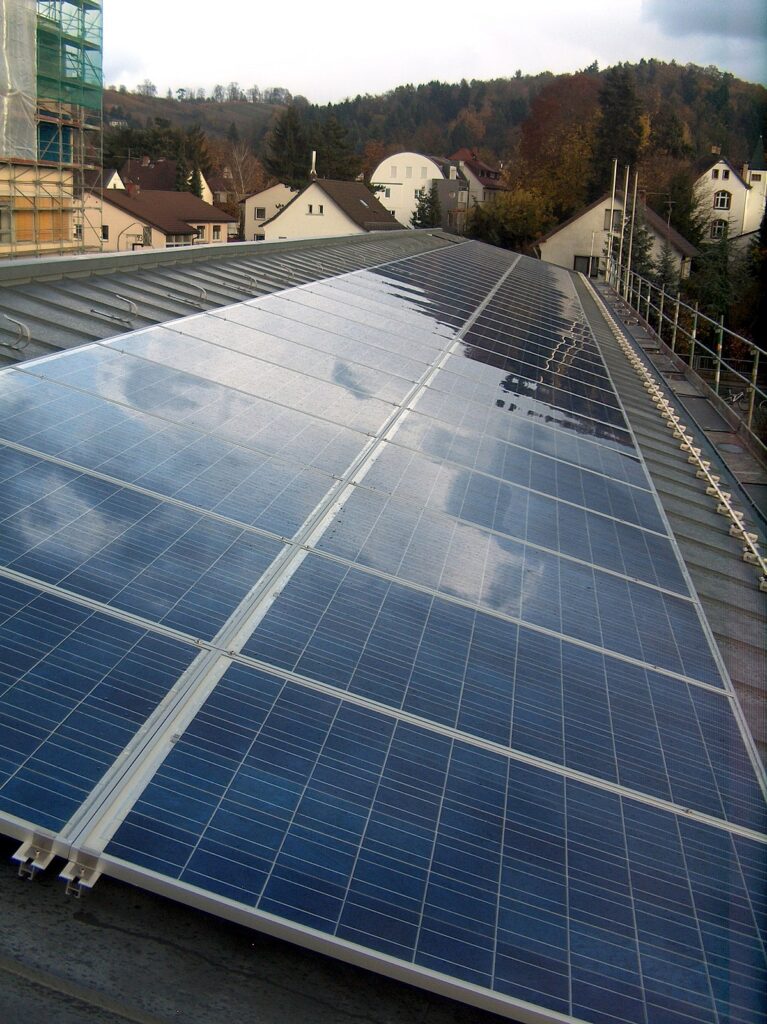
A solar roof is a type of photovoltaic (PV) system that is integrated into your existing roof structure. This allows for maximum energy production and utilization, as well as easy maintenance and repair. The installation process involves anchoring the PV panels onto the roof, ensuring they are securely fastened to withstand various weather conditions.
Costs Associated with Solar Roof Installation
One of the primary concerns for homeowners is the cost of installing a solar roof. While it may seem daunting, there are several factors that contribute to the overall expense:
- The size and complexity of the installation
- The type and quality of PV panels used
- Labor costs for installation and maintenance
To put these costs into perspective, let’s consider two common scenarios:
- 3 kW solar roof: The cost for a 3 kW solar roof is estimated to be around $6,000. This includes all necessary equipment, installation, and permits.
- 5 kW solar roof: A 5 kW solar roof would require an additional investment of approximately $8,000.
Benefits of Solar Roof Installation
Beyond the initial cost, there are numerous benefits associated with installing a solar roof:
- Reduced Electricity Bills: By harnessing the power of the sun, you can significantly lower your electricity bills and save money on your monthly expenses.
- Increased Property Value: Installing a solar roof can increase your property value by up to 15%, making it an attractive feature for potential buyers.
- Environmental Benefits: Solar energy is a clean and renewable source of power, reducing greenhouse gas emissions and contributing to a sustainable future.
Considerations for Optimal Performance
To ensure maximum efficiency from your solar roof, consider the following factors:
- Positioning: The optimal position for a solar roof depends on your location. Generally, south-facing roofs receive more sunlight than east- or west-facing ones.
- Shading: Shaded areas can significantly reduce energy production. Ensure that any obstructions, such as trees or buildings, are considered during the installation process.
- Inverter Selection: The inverter is responsible for converting DC power from the PV panels to AC power for your home. Choose an inverter that suits your needs and budget.
Additional Considerations
Before making a decision, consider the following factors:
- Local Incentives: Check with your local government for any available incentives or tax credits for solar roof installations.
- Maintenance: Regular maintenance is crucial to ensure optimal performance from your solar roof. Consider hiring a professional for annual checks and cleaning.
- Monitoring Systems: Invest in a monitoring system to track your energy production and consumption, providing valuable insights into your solar roof’s performance.
Frequently Asked Questions
Here are some frequently asked questions about solar roof installation:
- How long does it take to install a solar roof?
- The typical installation time for a solar roof ranges from one to three days, depending on the complexity of the project.
- Can I sell excess energy back to the grid?
- Yes, many utility companies offer programs that allow you to sell excess energy back to the grid and receive credits or refunds.
- Is a solar roof suitable for my home?
- A solar roof can be installed on most residential roofs, but it’s essential to assess your home’s condition and compatibility before making a decision.
Additional Benefits of Solar Roof Installation
In addition to the benefits mentioned earlier, there are several other advantages to installing a solar roof:
- Improved Energy Independence: By generating your own electricity, you can reduce your reliance on the grid and enjoy greater energy independence.
- Increased Resale Value: Installing a solar roof can increase your home’s resale value by up to 20%, making it an attractive feature for potential buyers.
- Reduced Maintenance Costs: Solar roofs require minimal maintenance, reducing the need for costly repairs and replacements.
Common Myths About Solar Roof Installation
There are several common myths about solar roof installation that should be addressed:
- Myth: Solar roofs are expensive
- While the initial cost of a solar roof may seem high, it can save you money in the long run through reduced electricity bills and increased property value.
- Myth: Solar roofs are only suitable for sunny climates
- Solar roofs can be installed in various climates, provided that they receive sufficient sunlight throughout the year.
- Myth: Solar roofs require a significant amount of space
- Solar roofs can be installed on most residential roofs, providing up to 50% of your total energy needs.
Conclusion
Solar roof installation is an innovative technology that offers numerous benefits for homeowners looking to reduce their carbon footprint and save on electricity bills. By understanding the costs, considerations, and additional benefits associated with solar roof installation, you can make an informed decision about harnessing the power of the sun for your home.


