
Introduction
Appendicitis and peritonitis are two serious medical conditions that require prompt attention. Appendicitis is an inflammation of the appendix, while peritonitis is an infection of the lining around the abdominal organs. In this article, we will explore the Blumberg sign, a specific technique used by doctors to detect these conditions.
What is the Blumberg Sign?
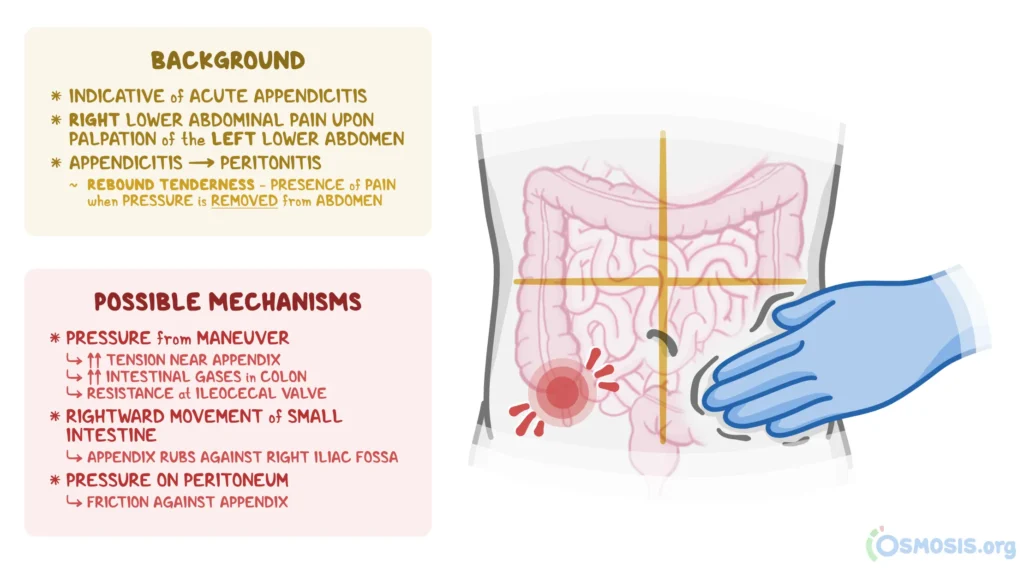
The Blumberg sign is a medical examination technique that involves applying gentle pressure to the abdominal area with one hand, and then quickly releasing it. This action can help doctors detect any inflammation or tenderness in the appendix or surrounding tissues.
How Does the Blumberg Sign Work?
The Blumberg sign works by applying pressure to the abdomen, which stimulates the nerves in the area. When the pressure is released, the nerves transmit signals to the brain, indicating the presence of inflammation or tenderness. The doctor will then use this information to diagnose appendicitis or peritonitis.
Is the Blumberg Sign Effective?
The Blumberg sign can be an effective tool for detecting appendicitis and peritonitis, especially when combined with other medical signs and symptoms. However, it’s not a guarantee of a positive diagnosis, and further tests may still be needed to confirm the presence of these conditions.
What Are the Risks Associated with the Blumberg Sign?
While the Blumberg sign is generally considered safe, there are some risks associated with performing this technique. These include:
- Increased pain: The pressure applied during the examination can cause temporary pain or discomfort in the patient.
- Perforation of the appendix: In rare cases, the pressure applied during the examination can cause the appendix to perforate, leading to infection and other complications.
What Are the Signs and Symptoms of Appendicitis and Peritonitis?
While the Blumberg sign can help detect appendicitis and peritonitis, it’s not a substitute for proper medical diagnosis. Some common signs and symptoms include:
- Severe abdominal pain: Pain in the lower right abdomen that worsens over time.
- Nausea and vomiting: Feeling queasy or vomiting due to stomach upset.
- Fever: Having a high temperature, usually above 100.4°F (38°C).
- Loss of appetite: Feeling less hungry than usual.
What Happens if You Suspect Appendicitis or Peritonitis?
If you suspect that you may have appendicitis or peritonitis, it’s essential to seek medical attention immediately. Delaying treatment can lead to severe complications, including:
- Appendicitis: The appendix becomes inflamed and eventually ruptures, leading to infection and potentially life-threatening consequences.
- Peritonitis: Inflammation of the lining around the abdominal organs, which can cause severe pain, fever, and organ failure.
Conclusion
The Blumberg sign is a valuable tool for doctors in detecting appendicitis and peritonitis. While it’s not foolproof, it can provide valuable insights when combined with other medical signs and symptoms. If you suspect that you may have these conditions, don’t hesitate to seek medical attention immediately.
Frequently Asked Questions
- What is the Blumberg sign?
- The Blumberg sign is a medical examination technique used by doctors to detect appendicitis and peritonitis.
- How does the Blumberg sign work?
- The Blumberg sign involves applying gentle pressure to the abdominal area with one hand, and then quickly releasing it.
- Is the Blumberg sign effective?
- While the Blumberg sign can be an effective tool for detecting appendicitis and peritonitis, it’s not a guarantee of a positive diagnosis.
- What are the risks associated with the Blumberg sign?
- The Blumberg sign carries some risks, including increased pain and the potential for perforation of the appendix.
- What are the signs and symptoms of appendicitis and peritonitis?
- Some common signs and symptoms include severe abdominal pain, nausea and vomiting, fever, and loss of appetite.
- What should I do if I suspect appendicitis or peritonitis?
- If you suspect that you may have appendicitis or peritonitis, seek medical attention immediately to avoid severe complications.
- Can the Blumberg sign be used to diagnose other conditions?
- While the Blumberg sign is primarily used for detecting appendicitis and peritonitis, it’s not commonly used for diagnosing other conditions.
- Is the Blumberg sign painful?
- The Blumberg sign may cause temporary pain or discomfort during the examination, but this should be minimal.
If you have any further questions about the Blumberg sign or appendicitis and peritonitis, please don’t hesitate to reach out to a medical professional.


