
Gluten sensitivity: what is it? Is it the same as celiac disease? What are its symptoms? How is it diagnosed? What is the most appropriate treatment? Is it dangerous? Let’s dive into everything you need to know about this new clinical entity!
Already for a few years, there has been talk of a new clinical entity related to gluten, “gluten sensitivity non-celiaca.” It doesn’t directly involve the immune system and is characterized by a series of symptoms, both intestinal and extra-intestinal, that appear quickly after consuming gluten and disappear just as quickly when it is eliminated from the diet.
Content
- Gluten Sensitivity: Diagnosis
- Gluten Sensitivity: Symptoms
- 2.1. Extra-Intestinal Symptoms Can Manifest With:
- Gluten Sensitivity and Behavioral Disturbances
- Gluten Sensitivity Treatment
Gluten Sensitivity: Diagnosis
There are no well-defined criteria for diagnosing this condition; in general, patients themselves suggest its presence based on their experiences associated with consuming gluten-containing foods.
Until now, there are no validated tests; diagnosis is purely theoretical, based on exclusion! The diagnosis of gluten sensitivity, indeed, relies on the fact that various symptoms, presumably associated with gluten sensitivity, are completely resolved through the exclusion of gluten from the diet. Of course, before formulating this hypothesis, a doctor must exclude both celiac disease and wheat allergy through specific examinations.
If there are any diagnostic uncertainties, it’s recommended to perform a test called DBPCT; allows you to determine which minimum dose of gluten can be tolerated by the individual who is sensitive to it. In this case, it won’t be necessary to eliminate but rather moderate foods containing gluten.
Gluten Sensitivity: Symptoms
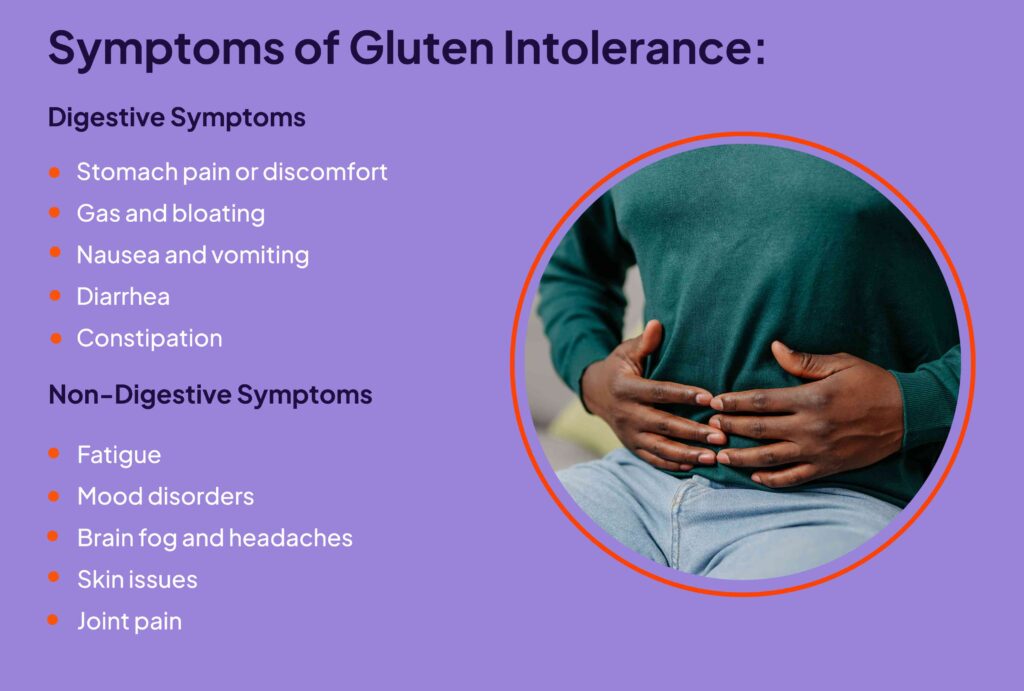
The symptoms of gluten sensitivity are different and can manifest in various ways. At the intestinal level, we have manifestations similar to those typical of irritable bowel syndrome:
- Swelling
- Nausea and vomiting
- Diarrhea or constipation
- Dyschezia (abdominal pain)
- Flatulence
- Abdominal pain
- Stomach burning
- Oral aphthous stomatitis
- Abdominal discomfort
Extra-Intestinal Symptoms Can Manifest With:
Fatigue: Gluten sensitivity can lead to chronic fatigue syndrome, characterized by persistent and profound tiredness.
Lethargy: This is often accompanied by difficulty concentrating and decreased motivation.
Asthma: Some individuals with gluten sensitivity may experience asthma-like symptoms, including wheezing, coughing, and shortness of breath.
Muscle cramps: Gluten can lead to muscle cramping due to the high levels of potassium lost in the stool.
Joint pain: Gluten can increase the inflammatory state of our organism, triggering negative reactions for our health. One of the most worrying effects is joint swelling and pain. In general, it’s often the hands and knees that are affected.
Headache: Gluten can trigger inflammation processes in some individuals, affecting the nervous system.
Epilepsy: In rare cases, gluten sensitivity may lead to seizures or other neurological symptoms.
Confusion of mental state: Some people with gluten sensitivity may experience cognitive impairment, such as difficulty concentrating, memory loss, and confusion.
Atopic dermatitis (eczema): Gluten sensitivity is often linked to skin conditions like eczema, which can cause redness, itching, and inflammation.
Hormonal imbalance: Premenstrual syndrome, Polycystic Ovary Syndrome, and infertility are often linked to gluten sensitivity.
Fibromyalgia: This chronic condition characterized by widespread muscle pain and fatigue is also associated with gluten sensitivity.
Neurological disturbances: Among neurological symptoms, we have vertigo and paresthesia.
Note that these symptoms can be found in many other diseases, so they cannot be considered specific or exclusive to gluten sensitivity. Additionally, the causes of this condition are unknown, it seems to manifest at any age and possibly be a transitory condition.
Gluten Sensitivity and Behavioral Disturbances
Gluten sensitivity may also have emotional repercussions. Here are some symptoms related to humor:
Anxiety: Individuals with gluten sensitivity may experience anxiety, which can impact their daily lives and relationships.
Depression: Gluten sensitivity can lead to depression, which is often characterized by feelings of sadness, hopelessness, and loss of interest in activities.
ADHD or attention deficit hyperactivity disorder: Some people with gluten sensitivity may experience symptoms of ADHD, including difficulty concentrating, impulsivity, and hyperactivity.
Stress: Gluten sensitivity can cause stress due to the unpredictability of symptoms and the need for a gluten-free diet.
Irritability: This is often characterized by feelings of frustration, anger, and irritability towards others or oneself.
Sleuthness: Some individuals with gluten sensitivity may experience obsessive-compulsive behaviors, such as excessive research or scrutiny about food choices.
Gluten Sensitivity Treatment
As mentioned earlier, it’s difficult to diagnose gluten sensitivity: too many questions! Let’s talk about a condition that is permanent or transitory? Is the tolerance threshold for gluten the same for everyone, or does it vary from person to person?
Beyond the doubts, the most appropriate approach is to propose a gluten-free diet for a limited period of time (around 6 months). Followed by a gradual reintroduction of gluten-containing foods. During the exclusion phase, all products containing wheat, rye, barley, and their derivatives must be avoided. On the other hand, you can consume gluten-free cereals like rice, corn, teff, millet, and buckwheat, or pseudocereals such as quinoa, amaranth, and grain sorghum.
The reintroduction should begin with cereals of low gluten content, such as oats and barley, in order to test for any adverse reactions. Once free from symptoms, you can gradually move on to foods containing higher amounts of gluten. A diet similar to this can be proposed periodically if there are recurrences.
In the presence of this condition, many individuals tend to exclude dairy products and latticini (milk and dairy) from their daily diet as well, simply because they are often associated with celiac disease. Big mistake! As these foods are harmless to those who suffer from celiachia and above all excellent allies for our health.
It might interest you also our article related: Gluten-free bread recipe
Conclusion
Gluten sensitivity is a complex condition that requires careful diagnosis, monitoring, and treatment. While it shares some similarities with celiac disease, the symptoms and treatment options are distinct. By understanding the signs and symptoms of gluten sensitivity, individuals can take control of their health and make informed decisions about their diet.
In addition to dietary changes, lifestyle modifications such as stress management, regular exercise, and adequate sleep can help alleviate symptoms. It’s also essential to stay hydrated by drinking plenty of water throughout the day.
Conclusion
If you suspect that you or a loved one may be experiencing gluten sensitivity, it’s crucial to consult with a healthcare professional for proper diagnosis and treatment. With the right approach, individuals can manage their symptoms, improve their quality of life, and even experience relief from related conditions such as irritable bowel syndrome and fibromyalgia.
In conclusion, gluten sensitivity is a condition that requires attention, awareness, and understanding. By recognizing the signs and symptoms, seeking proper diagnosis, and working with a healthcare professional to develop an effective treatment plan, individuals can take control of their health and well-being.
Recommendations
- Seek medical attention if you experience any of the following:
- Persistent abdominal pain
- Diarrhea or constipation that lasts more than 2 weeks
- Fatigue or lethargy
- Joint pain or swelling
- Skin rashes or lesions
- Neurological symptoms such as vertigo, paresthesia, or seizures
- Consult with a healthcare professional to determine if you have gluten sensitivity.
- Work with a registered dietitian or nutritionist to develop a personalized gluten-free meal plan.
- Stay hydrated by drinking plenty of water throughout the day.
- Practice stress management techniques such as meditation, yoga, or deep breathing exercises.
Additional Resources
- Gluten-Free Society: A non-profit organization dedicated to promoting awareness and understanding of gluten sensitivity.
- Celiac Disease Foundation: A national organization that provides education, support, and advocacy for individuals with celiac disease and gluten sensitivity.
- National Institutes of Health (NIH): Provides information on gluten sensitivity, including research studies and treatment options.
References
- De Simone, A. (2021). Gluten-free bread recipe. Retrieved from https://www.glutenfreediet.com/gluten-free-bread-recipe/
- National Institutes of Health (NIH). (2022). Gluten Sensitivity. Retrieved from https://www.nih.gov/health-topics/gluten-sensitivity
- Gluten-Free Society. (2022). What is Gluten Sensitivity? Retrieved from https://www.glutensociety.org/gluten-sensitivity/


