
Introduction
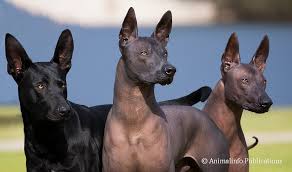
Meet the Xoloitzcuintle, a unique and fascinating dog breed that originated in Mexico. Also known as the Mexican Hairless Dog or Naked Mexican Dog, this breed has been around for centuries, with its origins dating back to ancient times. In this article, we’ll delve into the history, characteristics, and needs of this special breed.
History
The Xoloitzcuintle is considered one of the oldest dog breeds in the world. Its exact origin is unclear, but it’s believed to have been bred by the Aztecs and Mayans around 2000 BCE. These ancient civilizations not only kept the Xolo as a companion animal but also revered it as a sacred being, believing it was an “inviato di Dio” (messenger of God).
The Aztecs were known for their advanced knowledge of dog breeding, and they believed that the Xoloitzcuintle possessed spiritual powers. They would often sacrifice these dogs to their gods, which led to the breed’s association with the underworld.
After the arrival of the Spanish conquistadors in Mexico, the Xoloitzcuintle’s population began to decline due to the introduction of European breeds and the loss of their native habitat. Despite this, the breed managed to survive and thrive in secret among local communities.
Characteristics
The Xoloitzcuintle comes in three sizes: standard, intermediate, and miniature. Standard Xolos are the largest, reaching 45-55 cm in height, while intermediates stand between 35-45 cm tall, and miniatures reach only 25-35 cm. Despite their varying sizes, all Xolos share a distinctive characteristic – their lack of fur.
The Xolo’s skin is smooth, soft, and delicate, making it a pleasure to pet. However, it requires regular care, including frequent bathing and grooming with a gentle shampoo and conditioner. The breed’s ears are long and floppy, similar to those of a bat, adding to its unique appearance.
Xolos have a short, broad head with a flat skull and a prominent stop (the area where the muzzle meets the forehead). Their eyes are almond-shaped and dark, with a wide range of colors from blue to brown. The breed’s tail is usually docked, but some owners prefer to leave it natural.
Personality
Xolos are known for their noble and reserved nature. They are not high-maintenance dogs and are content with simple pleasures like playing fetch or going for a walk. However, they can be wary of strangers and may take time to warm up to new people. With proper socialization and training, Xolos become loyal and loving companions.
Xolos are also known for their intelligence and independence. They require mental stimulation and exercise to prevent boredom and destructive behavior. With a patient owner who understands their needs, Xolos can thrive as beloved family pets.
Grooming
One of the most distinctive features of the Xolo is its lack of fur. While this might seem like an advantage, it requires regular grooming to prevent skin problems and infections. The breed needs daily cleaning and care to keep its skin healthy and free from irritation.
Xolos require a gentle shampoo that’s specifically designed for their sensitive skin. Avoid using human shampoo or soap on your Xolo, as these can strip the skin of its natural oils and cause irritation.
In addition to bathing, Xolos need regular trimming and cleaning of their ears and wrinkles to prevent infections. They also benefit from regular massages to promote relaxation and reduce stress.
Health
As with any breed, Xolos are prone to certain health issues. Their short noses can make breathing difficult in hot or humid environments, while their sensitive skin may be affected by allergies or irritants.
Xolos are also susceptible to heart problems, particularly arrhythmias and cardiac murmurs. Regular veterinary check-ups and a balanced diet can help prevent many of these issues.
In addition to their physical health, Xolos are prone to mental health issues such as anxiety and depression. Providing a stable and loving environment, combined with regular exercise and playtime, can help prevent these issues.
Where to Find an Xoloitzcuintle
Due to its rarity, finding a reputable breeder for an Xolo can be challenging. In Italy, there are no officially recognized breeders, but some enthusiasts have reported success in finding miniatures through private breeding programs in the province of Alessandria.
In Mexico, there are several breeders who specialize in raising Xolos. However, it’s essential to research the breeder thoroughly and ensure that you’re getting a healthy, well-socialized puppy.
Responsible Ownership
If you’re considering bringing an Xoloitzcuintle into your life, it’s essential to understand the responsibilities of owning this breed. Here are some key considerations:
- Provide regular grooming and care to prevent skin problems and infections.
- Offer mental stimulation and exercise to prevent boredom and destructive behavior.
- Spend quality time with your Xolo, including training and playtime, to strengthen your bond.
- Be prepared for potential health issues, such as heart problems or allergies.
FAQs
- What is the average lifespan of a Xoloitzcuintle?
The average lifespan of a Xoloitzcuintle is 12-15 years. - Are Xolos good with children?
Xolos can make excellent family pets, but they do require careful socialization and training to ensure compatibility with young children. - Do Xolos need a lot of exercise?
Xolos are moderately active dogs that require daily walks and playtime to stay happy and healthy. - Can Xolos be left alone for long periods?
While Xolos can thrive in apartments, they do benefit from regular attention and interaction. Leaving them alone for extended periods may lead to boredom and destructive behavior. - How often should I bathe my Xoloitzcuintle?
Xolos require frequent bathing (every 2-3 weeks) to keep their skin clean and healthy. - Can I train a Xoloitzcuintle?
Yes, with patience, consistency, and positive reinforcement, Xolos can learn basic obedience commands and become well-behaved companions. - Are Xolos prone to any specific health issues?
Xolos are susceptible to skin problems, respiratory issues, and allergies due to their sensitive skin. - Can I adopt an adult Xoloitzcuintle?
Yes, many rescue organizations have Xolos available for adoption, but it’s essential to research the organization and ensure you’re getting a healthy, well-socialized dog.
By learning more about this unique breed, you’ll be better equipped to provide the care and attention your new furry friend needs.


