
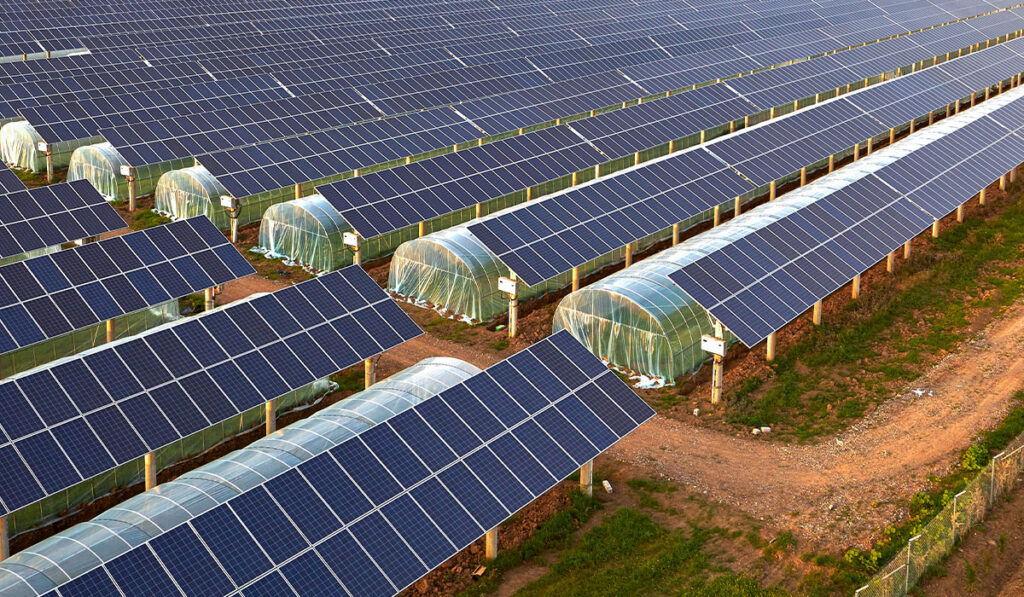
Understanding the Rules of Agricultural Solar Energy Taxation and Calculation
As an agricultural company or individual farmer starts selling energy from solar panels, they can configure it as a related agricultural activity to enjoy an advantageous tax regime. However, there’s often confusion about how to calculate this prevalence, especially with the introduction of new regulations in 2016.
The Court’s Decision: A Clear Framework
In the landmark case n. 66/201, the Constitutional Court established the criteria for determining prevalence and normal use to ensure a connection between agricultural solar energy and the main agricultural activity. In this article, we’ll delve deeper into this topic and provide further clarification on the rules.
The Revenue Calculation: A Clarification
In October 2015, Resolution n. 86/E clearly stated that revenue from producing and selling electricity generated by photovoltaic systems beyond the 260,000 kWh threshold (for the years 2014 and 2015) would be calculated at a rate of 25% on the amounts involved in IVA-registered operations. To qualify for the forfettary tax regime, agricultural solar energy producers must meet the criteria outlined in Article 22 of the D.L. n. 66/2014 and the guidelines set forth by Circular n. 32/2009.
The Threshold: 200 kW of Power Nominal Installation
According to recent regulations, agricultural solar energy can enjoy the forfettary tax regime within the first 200 kW of power nominal installation if it’s defined as a related activity to that agriculture.
When is Agricultural Solar Energy Considered a Related Activity?
Agricultural solar energy is considered a related activity in the following circumstances:
- When pannels are integrated into the architectural structure of existing business premises (partial or total integration);
- When the volume of sales from agricultural activities (excluding, of course, energy production) is more prominent than the revenue generated by excess photovoltaic energy production beyond the 200 kW threshold;
- When the owner of the farm can demonstrate that they cultivate at least one ha of land for every 10 kW of power nominal installation exceeding the first 200 kW and up to a maximum of 1 MW.
Key Requirements
To qualify as a related activity, agricultural solar energy producers must also meet the following requirements:
- The owner or operator of the farm must be the property owner or operator of the land where the solar panels are installed.
- For the 2014 tax period, agricultural companies can subject the revenue from their main agricultural activity to tax, as well as the revenue generated by producing and selling excess photovoltaic energy beyond the 260,000 kWh threshold. However, the excess revenue must be taxed under ordinary income tax rules.
Agricultural Solar Energy Taxation for 2016
Starting in 2016, production and sale of clean energy from solar panels owned by agricultural companies will automatically be subject to the forfettary tax regime, introduced with D.L. n. 66/2014, only if the revenue generated is less than or equal to the first 200 kW of power nominal installation.
Beyond this threshold, in the absence of any of the requirements that highlight the production of energy as an activity connected to that agriculture, the tax applied will be ordinary income tax.
Frequently Asked Questions
Here are some key questions related to agricultural solar energy taxation and calculation:
- What is the prevalence rate for agricultural solar energy?
- The prevalence rate depends on various factors, including the volume of sales from agricultural activities, revenue generated by excess photovoltaic energy production beyond the 200 kW threshold, and land cultivation.
- How do I calculate revenue from agricultural solar energy?
- Revenue is calculated at a rate of 25% on amounts involved in IVA-registered operations for revenues exceeding 260,000 kWh thresholds.
- What are the requirements to qualify as a related activity?
- The owner or operator of the farm must be property owner or operator of the land where solar panels are installed; volume of sales from agricultural activities should be more prominent than revenue generated by excess photovoltaic energy production beyond the threshold; and demonstration of at least one ha of land cultivation for every 10 kW power nominal installation exceeding the first 200 kW.
- How do I subject my agricultural solar energy revenue to tax?
- Revenue from agricultural main activities can be taxed separately, but excess revenue must be taxed under ordinary income tax rules for tax periods prior to 2016. Starting in 2016, production and sale of clean energy will automatically be subject to the forfettary tax regime, only if the revenue generated is less than or equal to the first 200 kW of power nominal installation.
- What are the consequences if I fail to meet these requirements?
- Failure to qualify as a related activity may result in taxation at ordinary income rates.
In conclusion, agricultural solar energy producers must carefully consider their tax obligations and qualifications for the forfettary tax regime. If you’re unsure about your specific situation or need further clarification on any of these points, consult with an expert.


