
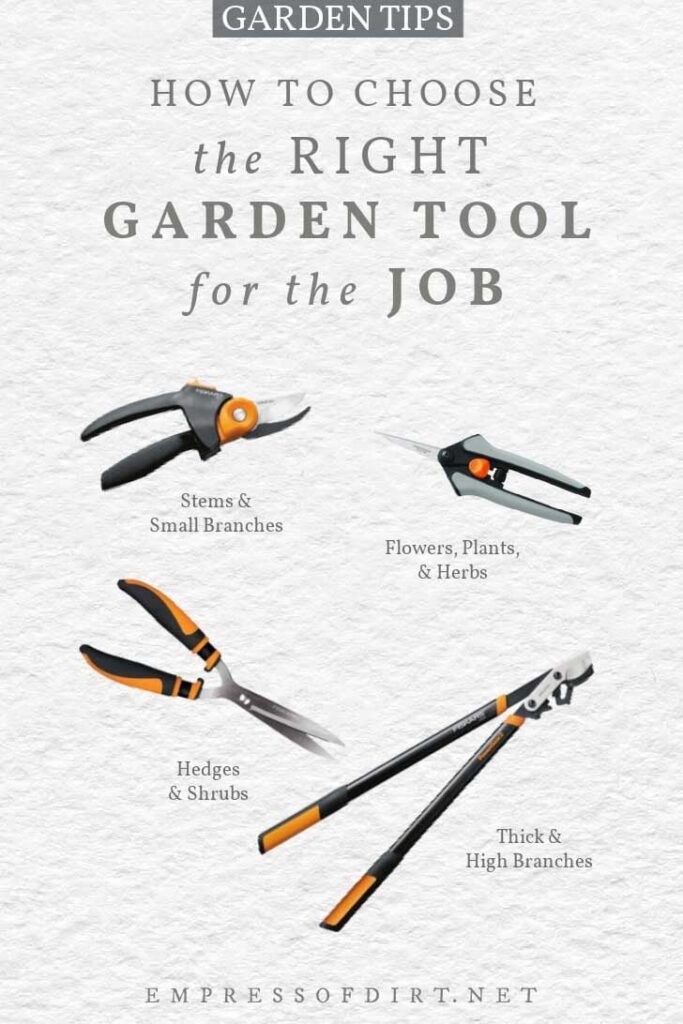
Pruning is a crucial aspect of gardening that requires the right equipment to achieve success. Whether you’re pruning fruit trees, trimming ornamental shrubs, or maintaining a lush lawn, having the correct tools for the job is essential. In this article, we’ll delve into the importance of proper pruning techniques, explore the best tools for various tasks, and provide tips on how to maintain your equipment.
The Importance of Proper Pruning Techniques
Pruning is not just about cutting branches; it’s an art that requires a deep understanding of plant biology and horticulture. Proper pruning techniques can:
- Promote healthy growth and development
- Encourage fruiting and flowering
- Maintain the overall appearance of your garden
- Prevent disease and pests
Choosing the Right Tools for Pruning
The right tools can make all the difference in achieving a successful prune. Here are some key factors to consider when selecting pruning equipment:
- Type of plant: Different types of plants require different types of pruning equipment. For example, fruit trees may require larger, heavier-duty pruning shears than ornamental shrubs.
- Branch size: The size of the branches you need to prune will also influence your tool selection. Larger branches may require more powerful pruning saws or loppers.
- Comfort and ergonomics: Choose tools that are comfortable to hold and use for extended periods. Look for ergonomic designs and balanced weight distribution.
Pruning Tools: A Comprehensive Guide
Here’s a detailed overview of some common pruning tools:
- Hand Pruners: Also known as secateurs, these handheld tools are ideal for trimming smaller branches and stems.
- Loppers: Used for cutting thicker branches, loppers come in various sizes to suit different pruning needs.
- Pruning Saws: These handheld or bench-mounted tools are perfect for cutting through larger branches and stems.
- Hedge Trimmers: Designed for shaping and maintaining hedges, these tools typically feature rotating blades and adjustable handles.
Tips for Choosing the Right Pruning Tools
When selecting pruning equipment, keep the following tips in mind:
- Consider the size and type of plant you’re pruning
- Choose tools with comfortable grips and balanced weight distribution
- Select tools that are easy to use and maintain
Pruning Techniques: A Guide for Beginners
For those new to pruning, here are some essential techniques to get you started:
- Cutting: Always cut at a 45-degree angle, just above a growth node (where a branch meets the main stem).
- Slicing: Use a gentle sawing motion to cut through thicker branches.
- Stripping: Remove dead or damaged leaves and stems by stripping them from the plant.
Common Pruning Mistakes to Avoid
Pruning mistakes can be costly, especially for larger trees. Here are some common pitfalls to avoid:
- Over-pruning: Don’t remove too much foliage or wood, as this can stress the plant.
- Under-cutting: Make sure cuts are clean and precise to prevent disease and pests.
Maintaining Your Pruning Tools
Regular maintenance is essential for ensuring your pruning tools remain effective and in good condition. Here are some tips:
- Clean and store tools properly: After each use, clean and store your tools in a dry, well-ventilated area.
- Sharpen or replace blades as needed: Regularly sharpen or replace dull blades to maintain optimal cutting performance.
- Inspect tools regularly: Regularly inspect your tools for signs of wear and tear, and address any issues promptly.
Conclusion
Pruning is an essential gardening technique that requires the right equipment for success. By choosing the correct tools, following proper pruning techniques, and maintaining your equipment, you’ll be well on your way to achieving healthy, thriving plants. Remember to consider factors like plant type, branch size, and comfort when selecting pruning tools, and always follow best practices to avoid common mistakes.
Frequently Asked Questions (FAQs)
Q: What is the best time to prune my garden?
A: The best time to prune depends on the type of plant. Generally, spring and fall are ideal times for pruning deciduous trees and shrubs, while summer is best for pruning evergreen plants.
Q: How often should I prune my fruit trees?
A: Fruit trees typically require annual pruning to promote healthy growth and fruit production.
Q: Can I use the same pruning tools for all types of plants?
A: No, different types of plants require specific pruning equipment. For example, loppers are better suited for thicker branches than hand pruners.
Q: What is the difference between a saw and a pair of scissors?
A: A saw is designed for cutting through larger branches, while a pair of scissors is ideal for trimming smaller stems and leaves.
Q: How do I prevent disease after pruning?
A: Apply fungicides or bactericides as needed to prevent disease. Regularly inspect your plants for signs of infection and take prompt action if necessary.
Q: Can I prune my garden in the winter?
A: Yes, but be careful not to damage sensitive plant parts during the dormant season.
Q: How can I maintain my pruning tools?
A: Clean and store your tools properly after each use. Regularly sharpen or replace blades as needed.


