
Mould, a type of fungus that grows on surfaces, can be found in many homes. It thrives in damp environments with limited ventilation, making it the perfect habitat for this unwanted guest. But don’t worry; we’re here to guide you through prevention, remediation, and some natural solutions to keep mould at bay.
Understanding Mould: The Enemy of Your Home
Mould is a type of fungus that can appear as green or black spots on walls, ceilings, and floors. It’s often caused by:
- Poor ventilation
- Water leaks or condensation
- High humidity
- Inadequate cleaning
Mould growth can be triggered by various factors, including:
- Moisture: Excess moisture in the air can lead to mould growth.
- Temperature: Mould thrives in temperatures between 40°F and 80°F (4°C and 27°C).
- Humidity: High humidity levels create an ideal environment for mould growth.
- Poor ventilation: Inadequate airflow can trap moisture and lead to mould growth.
Prevention is Key: Keeping Mould at Bay
While it may seem like an insurmountable task, preventing mould from taking hold in the first place is easier than you think. Here are some tips to get you started:
- Keep your home well-ventilated: Regularly open windows and use fans to improve airflow.
- Regularly clean and disinfect surfaces: Use a mixture of soap and water or a disinfectant spray to keep surfaces clean.
- Fix any water leaks or condensation issues promptly: Water damage can lead to mould growth, so address any leaks or condensation issues quickly.
- Use a dehumidifier to control humidity levels: Dehumidifiers can help remove excess moisture from the air, making it harder for mould to grow.
Natural Mould Remedies: A Safer Alternative
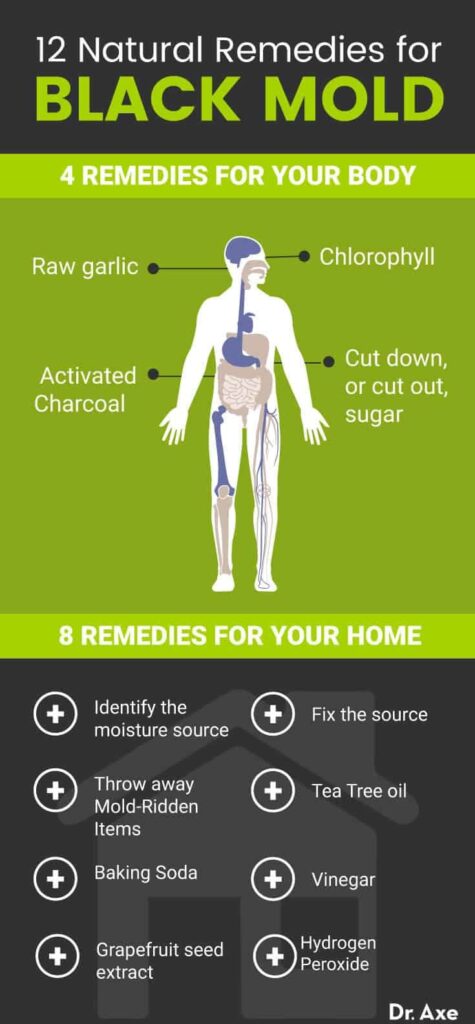
While traditional mould remediation methods can be effective, they often involve harsh chemicals that can harm the environment and your health. Here are some natural alternatives:
- Baking Soda and Vinegar: Mix baking soda and vinegar to create a paste that can help neutralize mould growth.
- Tea Tree Oil: This essential oil has antifungal properties that can help combat mould growth.
- Saltwater Solution: A solution of saltwater can help kill mould spores without leaving any harsh chemical residues.
When to Call in the Pros: Advanced Mould Remediation
While natural remedies can be effective, some mould infestations may require professional attention. If you notice:
- Extensive mould growth
- Health issues caused by mould exposure
- Inability to remove mould with DIY methods
Don’t hesitate to seek the help of a professional mould remediation service.
Common Mould-Related Issues: What You Need to Know
Mould can cause a range of problems, including:
- Allergic reactions: Some people may experience allergic reactions to mould, which can lead to respiratory issues and other health problems.
- Respiratory issues: Inhaling mould spores can cause respiratory problems, such as coughing and sneezing.
- Damage to property and belongings: Mould growth can damage walls, ceilings, and floors, leading to costly repairs.
Stay informed about mould-related issues to ensure your home remains safe and healthy.
FAQs: Your Top Questions Answered
Here are some frequently asked questions related to mould in the home:
- Q: How often should I clean my home to prevent mould growth?
A: Regular cleaning, especially in areas prone to moisture, can help prevent mould from taking hold. - Q: Can I use bleach to remove mould?
A: While bleach can be effective against some types of mould, it’s not always the best solution and may not address underlying issues. - Q: How do I know if my home has a mould problem?
A: Look for signs of mould growth, such as green or black spots on surfaces, and consider hiring a professional to assess your home.
By following these tips and staying informed about mould-related issues, you can keep your home safe and healthy from this hidden threat.


