
Imagine your dog’s world turned upside down – their beautiful voice silenced by a persistent cough, and their daily life disrupted by discomfort and pain. Canine tracheite, also known as canine cough or doggy hoarse voice, is an inflammatory process that affects the trachea, a crucial part of the respiratory system.
What Is the Trachea?
The trachea is a long tube made up of cartilaginous rings that runs from the bottom of the throat through the neck and into the thoracic cavity. It’s like a windpipe, connecting the outside air we breathe to the lungs inside our body.
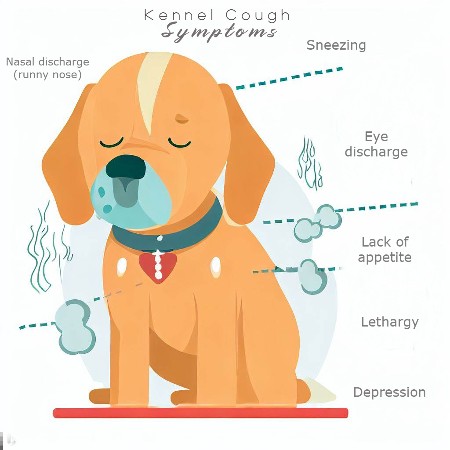
Symptoms of Canine Tracheite
The most common symptom of canine tracheite is coughing – it can range from mild and sporadic to frequent and intense, depending on the severity of the inflammation. This persistent coughing can be accompanied by embarrassing vomiting fits, which are often a sign that your dog is trying to expel something irritating.
When you hear your dog’s usual barking sound change, it might be due to the vocal changes caused by inflammation. The barks may become hoarse or raspy, and the posture of the dog may also change as they try to swallow or expel liquid or mucus, producing unpleasant noises that indicate how much discomfort they’re in.
Recognizing Distinctive Sounds
In addition to the coughing, your dog might exhibit other unusual behaviors. They might lower their neck, trying to swallow or expel something irritating, which can result in awkward sounds that are unlike what you’re used to hearing from them.
Some owners have reported their dogs experiencing other symptoms such as:
- Hoarseness
- Loss of appetite
- Weight loss
- Swallowing difficulties
- Increased thirst
Causes of Canine Tracheite
So, what causes canine tracheite? The answer is multifaceted – it can be caused by a virus, bacteria, allergens, or foreign objects. All these factors can irritate the canine respiratory tract, leading to frequent coughing and exacerbating symptoms.
In some cases, canine tracheite may be a sign of cancer or another underlying condition, such as lesions in the trachea or oral diseases. It’s essential to explore all possible causes and seek veterinary advice if you suspect your dog is experiencing any unusual symptoms.
Diagnosis and Treatment
A veterinarian must diagnose canine tracheite based on symptoms and perform additional tests, including blood tests and radiographs, if necessary. Once the cause is determined, treatment can begin.
Treatment may involve antibiotics, expectorants, and other medications prescribed by a veterinarian. In some cases, antiparasitic treatments may also be required. If the underlying condition is cancer or a lung disease, treatment must focus on addressing the root cause rather than just treating the symptoms.
The Importance of Continuing Treatment
It’s essential to continue taking medication as prescribed by your veterinarian, even if the symptoms appear to have disappeared. A delay in treatment can lead to chronic tracheite and other complications.
Your dog might seem better after a few days, but it’s crucial to stick with the treatment plan recommended by your veterinarian. This will ensure that your dog gets the necessary care to recover from canine tracheite.
Natural Remedies for Canine Tracheite
While antibiotics are usually the best course of action, natural remedies such as omepathic treatments or homeopathic medications may be recommended by a veterinarian. These include Cuprum, Chamomilla Cupru Culta, or Magnesium Phosphoricum.
However, before using any natural remedy, it’s crucial to discuss it with your veterinarian first. They can help you determine the best course of action and ensure that your dog receives proper care.
Prevention Strategies
While there’s no surefire way to prevent canine tracheite, maintaining a healthy lifestyle for your dog, including regular exercise and a balanced diet, can help reduce the risk of developing this condition. Here are some additional strategies you can try:
- Regular grooming
- Avoiding exposure to allergens or irritants
- Maintaining good oral health
- Providing plenty of fresh water
Conclusion
Canine tracheite is a serious condition that requires prompt veterinary attention. With a thorough diagnosis and effective treatment plan, your dog can recover from this debilitating disease. Be patient, stay informed, and work closely with your veterinarian to provide the best possible care for your furry friend.
Frequently Asked Questions (FAQs)
Q: What are the most common causes of canine tracheite?
A: Canine tracheite can be caused by a virus, bacteria, allergens, or foreign objects. In some cases, it may be a sign of cancer or another underlying condition.
Q: How is canine tracheite diagnosed?
A: A veterinarian must diagnose canine tracheite based on symptoms and perform additional tests, including blood tests and radiographs, if necessary.
Q: What are the most common symptoms of canine tracheite?
A: The most common symptom is coughing – it can range from mild and sporadic to frequent and intense. Other symptoms may include vomiting fits, hoarse barks, and changes in posture.
Q: Canine tracheite be treated with antibiotics alone?
A: No, antibiotics are usually the best course of action, but treatment may also involve expectorants, other medications, or antiparasitic treatments.
Q: How long does canine tracheite typically last?
A: The duration of canine tracheite varies depending on the severity and extent of the inflammation. However, with proper treatment and care, your dog can recover from this condition.
Q: Can natural remedies be used to treat canine tracheite?
A: Yes, natural remedies such as omepathic treatments or homeopathic medications may be recommended by a veterinarian. However, it’s essential to discuss them with your veterinarian first.
Q: How do I know if my dog has chronic tracheite?
A: If your dog experiences persistent symptoms despite treatment or shows signs of recurring infections, consult your veterinarian for further evaluation and guidance.
Q: Can canine tracheite be prevented?
A: While there’s no surefire way to prevent canine tracheite, maintaining a healthy lifestyle for your dog, including regular exercise and a balanced diet, can help reduce the risk of developing this condition.


