
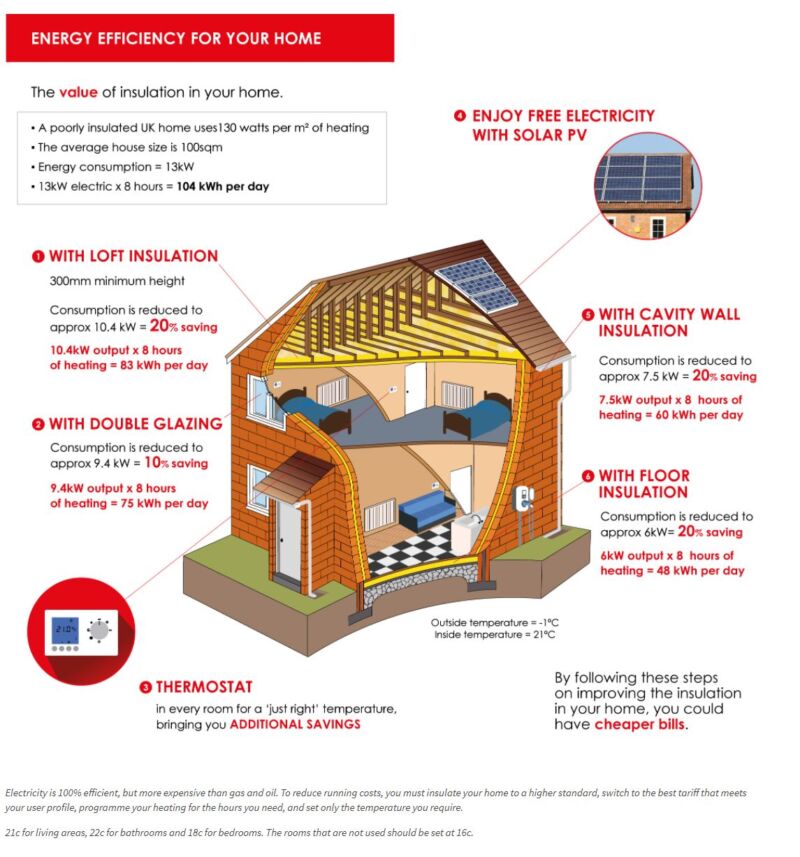
As the demand for energy-efficient homes continues to grow, homeowners are looking for ways to improve insulation in their buildings. Proper insulation can help reduce heating and cooling costs, as well as minimize environmental impact. In this article, we will explore the different methods of isolating walls, their benefits, and the factors that influence the choice of insulation material.
Why Insulate Your Walls
Before we dive into the how-to’s of insulation, let’s talk about why it matters in the first place. Insulation serves two primary purposes:
- Reduces heat loss: By minimizing heat transfer between the inside and outside of your home, you can reduce heating costs during the winter months.
- Prevents moisture buildup: Insulation helps prevent moisture from entering your walls through gaps and cracks, which can lead to mold and mildew growth.
Proper insulation is especially crucial in colder climates where temperatures drop significantly during the winter. Not only will it help keep your home warm, but it’ll also increase its value on the market.
Choosing the Right Insulation Method
There are three main methods of isolating walls: external, internal, and intercapedine. Each method has its pros and cons, which we’ll discuss below:
- External insulation: This involves applying a layer of insulation material to the exterior of your home’s walls. It’s a more expensive option but provides better results than internal insulation methods.
- Internal insulation: In this approach, insulation is applied directly to the interior of your walls. While it’s less expensive than external insulation, it can reduce the size of your living spaces.
- Intercapedine insulation: This method involves filling the gap between your exterior and interior walls with insulation material. It’s a more affordable option but may not provide as effective results as other methods.
Factors Influencing Insulation Choices
When choosing an insulation method, several factors come into play:
- Budget: The cost of materials and labor can vary significantly depending on the chosen method.
- Building condition: If you’re planning to renovate or replace your home’s exterior, external insulation may be a better option. However, if you only need to address internal issues, internal insulation could suffice.
- Climate: In colder climates, external insulation is often preferred for its added protection against harsh weather conditions.
Insulation Materials
When it comes to selecting an insulation material, several options are available:
- Organic materials: These include wool, cotton, and hemp. They’re eco-friendly but can be more expensive than synthetic alternatives.
- Synthetic materials: This includes polyurethane foam and fiberglass batts. They’re cost-effective but may not be as environmentally friendly as organic options.
- Trapped air materials: These are designed to trap air bubbles within the insulation material, reducing heat transfer.
Some popular insulation materials include:
- Fiberglass batts
- Cellulose insulation
- Spray foam insulation
- Radiant barrier insulation
When choosing an insulation material, consider factors such as cost, effectiveness, and environmental impact.
Finestra Insulation: A Separate Issue
While improving wall insulation is crucial for reducing energy consumption, don’t forget about the importance of window insulation. Windows can account for up to 30% of a home’s heat loss during winter months. Consider installing window insulation kits or replacing old windows with energy-efficient ones.
By understanding the benefits and challenges of different insulation methods and materials, you’ll be well on your way to creating a more energy-efficient and comfortable living space. So why wait? Start improving your walls today!
In conclusion, improving insulation is an essential step towards reducing energy consumption and saving on heating and cooling costs. By considering factors such as budget, building condition, climate, cost-effectiveness, environmental impact, and window insulation, you can make informed decisions about the best insulation method for your home.
If you’re unsure where to start or need professional advice, consider consulting with a certified energy auditor or home inspector who can assess your home’s energy efficiency and provide personalized recommendations. With the right approach, you’ll be able to enjoy a more comfortable, efficient, and environmentally friendly living space.
In addition to improving insulation in existing homes, consider exploring alternative building methods that prioritize energy efficiency from the outset. Sustainable building practices such as passive house design, earth-sheltered construction, and straw bale architecture offer exciting opportunities for homeowners looking to create energy-efficient, eco-friendly homes.
By embracing these innovative approaches and investing in insulation upgrades, you can significantly reduce your carbon footprint while enjoying a more comfortable and cost-effective living space.
In the following section, we will delve into some of the most effective methods of improving insulation in existing homes. This includes information on how to seal gaps and cracks, upgrade windows, and install new insulation materials.
Improving Insulation: Tips and Tricks
If you’re looking for ways to improve insulation in your home, here are some effective tips and tricks:
- Seal gaps and cracks: Use caulk or spray foam to fill any gaps or cracks in your walls, windows, and doors.
- Upgrade windows: Consider installing new windows with energy-efficient features such as double-glazing or triple-glazing.
- Install new insulation materials: Upgrade to more effective insulation materials such as spray foam or radiant barrier insulation.
- Add insulation to ceilings and floors: Insulate your ceiling and floor areas to prevent heat transfer and reduce energy consumption.
By implementing these strategies, you can significantly improve the energy efficiency of your home while reducing heating and cooling costs.
Best Practices for Insulation Installation
When it comes to installing new insulation materials, following best practices is crucial for optimal results. Here are some tips:
- Conduct a thorough assessment: Before starting any insulation project, conduct a thorough assessment of your home’s energy efficiency.
- Choose the right material: Select insulation materials that meet your needs and budget requirements.
- Follow manufacturer guidelines: Adhere to the installation instructions provided by the manufacturer for optimal results.
- Test for air leaks: Conduct regular tests for air leaks to ensure that your home remains energy-efficient.
By following these best practices, you can ensure a successful insulation installation that meets your needs and budget requirements.
In conclusion, improving insulation is an essential step towards reducing energy consumption and saving on heating and cooling costs. By considering factors such as budget, building condition, climate, cost-effectiveness, environmental impact, and window insulation, you can make informed decisions about the best insulation method for your home.
By understanding the benefits and challenges of different insulation methods and materials, you’ll be well on your way to creating a more energy-efficient and comfortable living space.


