
As a garden owner, ensuring your plants receive the right amount of water is crucial for their growth and health. However, with the increasing concern about water conservation, it’s essential to strike a balance between providing enough moisture and avoiding overwatering.
Understanding Your Garden’s Water Needs
The first step in optimizing your garden’s water usage is to understand its specific needs. The amount of water required depends on several factors, including:
- Type of terrain: Sandy soils dry out faster than clay-based ones.
- Plant species: Different plants have varying watering requirements.
- Climate: Hot and dry climates require more frequent watering.
Determining the Right Water Amount
To determine the right water amount for your garden, consider the following:
- Pruning and shaping: Pruned plants require less water than those that are not pruned.
- Shade: Plants in shaded areas require less water than those in full sun.
For a typical 100-metre square garden with grass, consider allocating around 500 litres of water per day. However, this amount may vary depending on the specific conditions.
Watering Specific Plant Types
Different plant types have distinct watering requirements:
- Grass: Requires 4-6 litres of water per square metre per day.
- Trees: Needs 40-80 litres of water per tree every two days, depending on the species.
- Shrubs and bushes: Requires 8-16 litres of water per day for newly planted specimens.
Irrigating Your Garden: Tips and Tricks
To optimize your irrigation system:
- Use a drip irrigation system: This method delivers water directly to the roots, reducing evaporation and runoff.
- Install a rain sensor: This feature automatically turns off the irrigation system during rainfall.
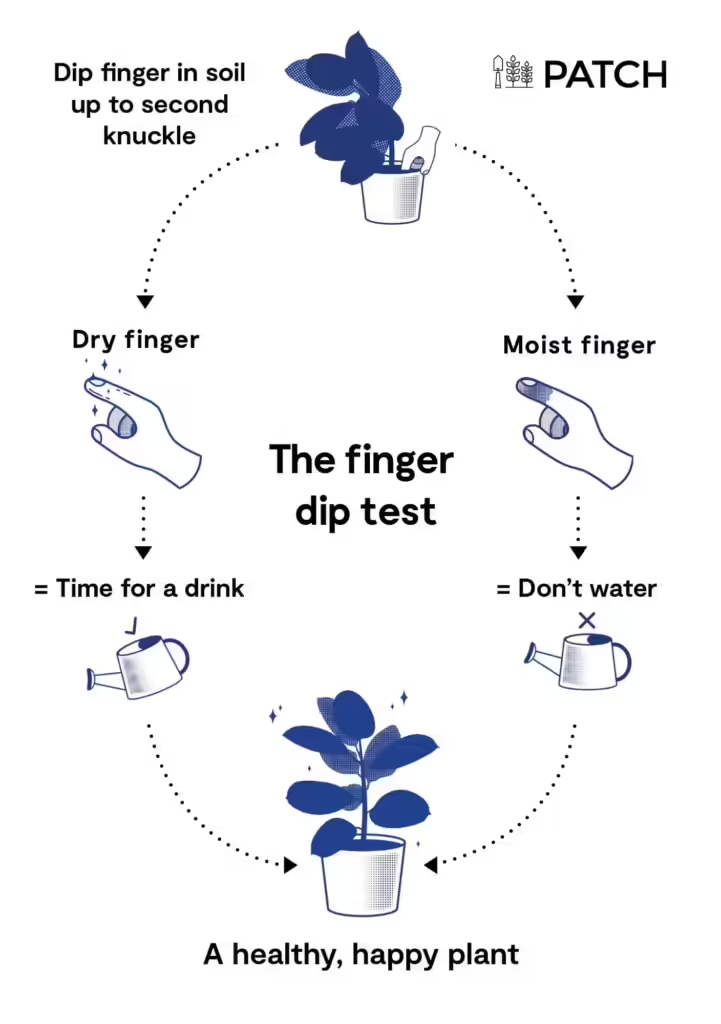
- Monitor soil moisture levels: Use a soil probe or moisture meter to ensure your plants receive the right amount of water.
Reducing Water Waste
To minimize water waste:
- Check for leaks: Regularly inspect your irrigation system and pipes for any signs of damage or wear.
- Use efficient irrigation controllers: These devices help you optimize your watering schedule and reduce unnecessary water usage.
- Harvest rainwater: Consider installing a rainwater harvesting system to collect and reuse rainwater for irrigation.
Drought Tolerance in Plants
Some plants are more drought-tolerant than others. When selecting plants, consider their ability to withstand dry conditions:
- Succulents: These plants store water in their leaves, stems, or roots, making them ideal for low-water environments.
- Cacti: Like succulents, cacti are designed to conserve water and thrive in arid conditions.
Mulching: A Simple yet Effective Method
Mulch helps retain soil moisture, reduce evaporation, and suppress weeds:
- Organic mulches: Use natural materials like straw, bark chips, or leaves to create a barrier around your plants.
- Inorganic mulches: Consider using synthetic materials like plastic sheeting or landscape fabric for added protection.
Rainwater Harvesting: A Sustainable Solution
Collecting and reusing rainwater is an excellent way to reduce your water bill:
- Gutter systems: Install a gutter system to collect rainwater and direct it towards a storage tank.
- Water tanks: Choose a durable, food-grade container for storing collected rainwater.
Irrigation Controllers: The Key to Efficient Watering
Efficient irrigation controllers optimize your watering schedule:
- Scheduling: Set a specific watering schedule based on weather forecasts and soil moisture levels.
- Rain sensors: Automatically turn off the irrigation system during rainfall or when the tank is full.
Using Micro-Irrigation Systems
Micro-irrigation systems deliver water directly to the roots, reducing evaporation:
- Drip irrigation: This method uses a network of tubes and emitters to provide water to plants.
- Sprinkler systems: Use a sprinkler system with a rain sensor to optimize watering and reduce waste.
Soil pH and Water Usage
The soil pH affects water usage and plant growth:
- pH levels: Maintain optimal pH levels (between 6.0 and 7.0) for efficient water uptake.
- Nutrient availability: Ensure essential nutrients are available for optimal plant growth.
Climate Change and Water Conservation
As the climate changes, it’s more important than ever to optimize your garden’s water usage:
- Increased precipitation: Adjust your irrigation schedule according to changing weather patterns.
- Temperature fluctuations: Be prepared for extreme temperatures that may impact water usage.
Water-Efficient Plant Selection
Choose plants that are adapted to local conditions and require minimal watering:
- Native species: Select plants native to your region, which have evolved to thrive in the local climate.
- Drought-tolerant varieties: Opt for drought-tolerant plant varieties or cultivars bred specifically for low-water environments.
Rainwater Harvesting Maintenance
Regular maintenance ensures a functional rainwater harvesting system:
- Cleanliness: Regularly clean the collection tank and pipes to prevent debris buildup.
- Overflow prevention: Install overflow valves to direct excess water back into the storage tank.
Harvesting Rainwater: A Guide to Success
To successfully harvest rainwater, follow these guidelines:
- Tank size: Choose a suitable tank size based on your garden’s requirements and rainfall patterns.
- Material selection: Select food-grade containers for storing collected rainwater.
- Storage location: Place the storage tank in an area that provides shade to prevent algae growth.
Water-Efficient Irrigation Strategies
Implement these strategies to optimize your irrigation system:
- Time-of-day watering: Water plants during cooler parts of the day to reduce evaporation.
- Drip irrigation scheduling: Schedule drip irrigation according to weather forecasts and soil moisture levels.
Gardening Without Drought
To create a drought-tolerant garden, incorporate these tips:
- Use native species: Choose plants adapted to local conditions and require minimal watering.
- Mulch extensively: Create a dense layer of mulch around your plants to retain moisture.
- Water wisely: Adjust your watering schedule according to weather forecasts and soil moisture levels.
Rainwater Harvesting Benefits
Collecting and reusing rainwater offers numerous benefits:
- Reduced water bills: Reuse collected rainwater for irrigation purposes.
- Less water waste: Minimize evaporation, runoff, and other forms of water loss.
- Increased sustainability: Contribute to a more sustainable future by reducing your reliance on municipal water supplies.
Conclusion
Optimizing your garden’s water usage requires careful consideration of several factors, including terrain, plant species, climate, and irrigation methods. By implementing the strategies outlined in this guide, you can ensure your plants receive the right amount of water while minimizing waste.


