
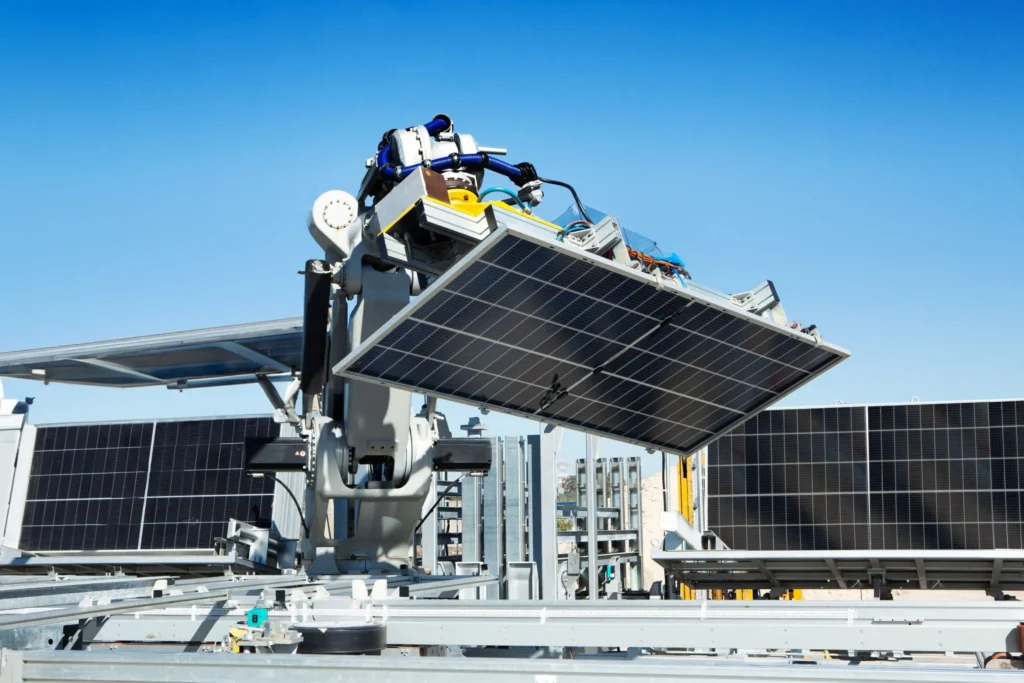
As automation continues to advance, we’re seeing a significant increase in energy consumption. Experts predict that this trend will only continue, highlighting the pressing issue of high energy usage. However, there’s a silver lining: the sun is shining bright, and solar energy can play a crucial role in meeting our needs.
The Problem with Traditional Energy Sources
Imagine a factory line where robots work tirelessly to produce goods. Or picture a smart home with automated systems controlling everything from lighting to appliances. While these innovations bring efficiency and convenience, they require significant amounts of energy. The problem is, traditional energy sources are becoming increasingly strained. As we look for alternatives, solar power emerges as a promising solution.
The Power of Solar Energy
Solar energy can provide the necessary power for many automated devices, from small household appliances to larger industrial systems. The sun’s rays can be harnessed to generate electricity, making it an attractive option for those seeking a renewable and sustainable source of energy. EcoSol is one innovative system that demonstrates the potential of solar-powered automation.
EcoSol: A Solar-Powered Automation System
EcoSol is a low-voltage energy harvesting system designed specifically for automated devices. The system consists of two key components:
- Solar Panel: A 10-watt pannello solare installable su colonna, capable of producing enough power to run multiple automated systems.
- Central Unit: A battery-powered central unit that stores excess energy generated by the solar panel and releases it when needed.
This setup enables users to harness the sun’s energy and store it for later use, eliminating the need for traditional energy sources. The system is designed to be flexible and adaptable, making it suitable for a wide range of applications.
Applications for EcoSol
EcoSol has numerous potential uses in residential and industrial settings:
- Automating Home Systems: EcoSol can power smart home devices, from lighting control to security systems.
- Industrial Automation: The system can be used to automate industrial processes, reducing energy costs and increasing efficiency.
Advantages of Solar-Powered Automation
The benefits of solar-powered automation are numerous:
- Renewable Energy Source: Solar energy is a clean and sustainable source of power, reducing our reliance on fossil fuels.
- Energy Efficiency: EcoSol’s battery storage system ensures that excess energy can be used during periods of low sunlight or at night.
- Easy Installation: The system’s modular design makes it simple to install and maintain.
The Future of Automation: Trends and Insights
As automation continues to evolve, we’re seeing a growing emphasis on sustainability and renewable energy. Solar-powered automation is poised to play a significant role in this shift, offering a cleaner, more efficient alternative to traditional energy sources.
Increased Demand for Solar Energy
The demand for solar energy is on the rise due to increasing concerns about climate change and the need for sustainable solutions. Governments around the world are implementing policies to encourage the use of renewable energy sources, driving growth in the solar industry.
Advancements in Solar Technology
Solar technology has come a long way since its inception, with advancements in panel efficiency and cost reductions leading to increased adoption rates. The development of new technologies such as bifacial panels and perovskite solar cells is expected to further boost the industry’s growth.
Challenges and Limitations
Despite the potential benefits of solar-powered automation, there are still challenges and limitations to consider:
- Intermittent Energy Source: Solar energy is an intermittent source of power, making it challenging to ensure a consistent energy supply.
- High Upfront Costs: The cost of initial installation can be high, although costs are decreasing as technology improves.
Overcoming Challenges
To overcome these challenges and unlock the full potential of solar-powered automation, developers and manufacturers must address:
- Energy Storage Solutions: Developing more efficient energy storage solutions to mitigate the intermittency of solar power.
- Cost Reductions: Reducing the cost of initial installation through improved manufacturing processes and economies of scale.
Conclusion
In conclusion, solar-powered automation presents an exciting opportunity for reducing our reliance on fossil fuels and promoting sustainability. EcoSol is just one example of the innovative solutions emerging in this field, demonstrating the potential for renewable energy to power our automated devices.
By addressing challenges and limitations, we can unlock the full potential of solar-powered automation and create a more sustainable future for all.
Frequently Asked Questions (FAQs)
- What is solar-powered automation?
Solar-powered automation refers to the use of solar energy to power automated systems and devices. - How does EcoSol work?
EcoSol consists of a solar panel generating electricity, which is stored in batteries for later use. - Is solar-powered automation expensive?
The cost of solar-powered automation varies depending on the application and installation requirements. However, EcoSol’s modular design makes it more affordable than traditional energy sources. - What are the benefits of using a solar panel for automated systems?
Solar panels provide a renewable source of energy, reduce our reliance on fossil fuels, and promote sustainability. - Can I use EcoSol in my home or business?
Yes, EcoSol is suitable for both residential and industrial applications. Consult with an expert to determine the best solution for your specific needs.
Whether you’re looking to automate your home or reduce energy costs in your business, solar-powered automation offers a promising alternative. By harnessing the power of the sun, we can create more sustainable, efficient, and environmentally friendly solutions for our automated devices.
Future Directions
As research and development continue, we can expect to see further advancements in solar technology and innovative applications of solar-powered automation. Some potential future directions include:
- Bifacial Solar Panels: The use of bifacial solar panels could increase energy efficiency by up to 25%.
- Perovskite Solar Cells: Perovskite solar cells have shown significant promise, offering higher efficiency rates than traditional silicon-based cells.
- Building-Integrated Photovoltaics (BIPV): BIPV technology integrates solar panels into building structures, allowing for seamless energy generation and reducing visual impact.
By exploring these opportunities and addressing the challenges associated with solar-powered automation, we can create a more sustainable future for all.


