
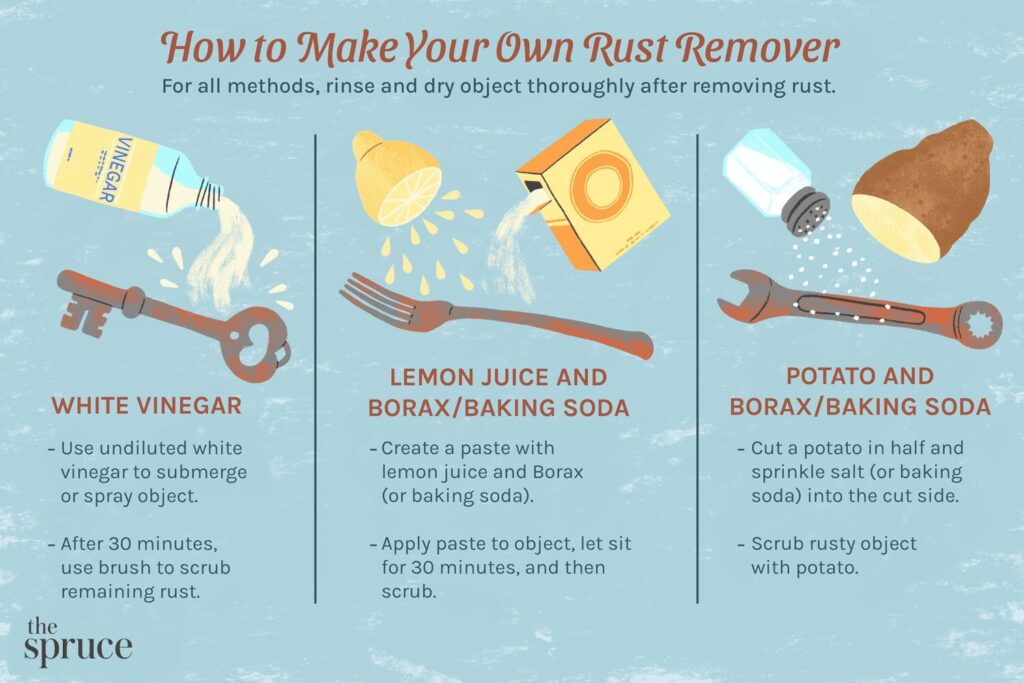
Rust is a common problem that can ruin even the best metal objects. But don’t worry, we’ve got you covered! In this comprehensive guide, we’ll explore different methods for removing rust from metal surfaces, including DIY techniques and specialized tools.
Understanding Rust Formation
Before we dive into the removal process, let’s understand how rust forms. When iron is exposed to oxygen in the presence of water or humidity, it undergoes a chemical reaction called oxidation, resulting in the formation of rust. This process can lead to the degradation of metal surfaces, making them weak and brittle.
Rust formation occurs through several stages:
- Oxidation: Iron reacts with oxygen to form iron oxide.
- Corrosion: The iron oxide forms a protective layer that traps moisture and electrolytes, leading to further corrosion.
- Pitting: Small pits or holes form on the metal surface due to localized corrosion.
Why Rust is a Problem
Rust can cause significant damage to metal surfaces, including:
- Structural weakening: Rust can weaken the structural integrity of metal components, making them more prone to failure.
- Corrosion fatigue: Repeated exposure to moisture and oxygen can lead to fatigue cracks in metal structures.
- Safety risks: Rust can compromise the safety of metal components, such as equipment or machinery.
DIY Methods for Removing Rust
Here are four DIY methods for removing rust from metal surfaces:
1. Using a Glass Cloth
A glass cloth is an inexpensive and effective way to remove rust from small, flat surfaces. Simply wet the cloth with water, add a small amount of white vinegar or baking soda, and rub the affected area in a circular motion.
Pros:
- Inexpensive
- Easy to use
- Suitable for small, flat surfaces
Cons:
- Limited effectiveness on larger surfaces
- May not remove deeply embedded rust
2. Using a Wire Brush
A wire brush is perfect for removing rust from curved or irregularly shaped metal surfaces. To use a wire brush, simply attach it to a drill or hand crank and scrub the affected area in a circular motion.
Pros:
- Effective on curved surfaces
- Easy to clean after use
- Can be used on larger surfaces
Cons:
- May require more effort than other methods
- Can damage some metal finishes
3. Using Lime
Lime is a natural abrasive that can effectively remove rust from metal surfaces. To use lime, simply wet the surface with water and apply a small amount of lime powder to the affected area.
Pros:
- Natural and non-toxic
- Effective on larger surfaces
- Can be used in combination with other methods
Cons:
- Requires more effort than other methods
- May leave scratches or residue if not applied carefully
4. Using a Sanding Tool
A sanding tool is perfect for removing rust from metal surfaces that require a higher level of precision. To use a sanding tool, simply wet the surface with water and apply a small amount of sandpaper to the affected area.
Pros:
- Effective on smaller surfaces
- Can be used in combination with other methods
- Smooths out rough surfaces
Cons:
- Requires more effort than other methods
- May damage some metal finishes if not applied carefully
5. Using a Metal File or Sanding Wheel
A metal file or sanding wheel is perfect for removing rust from larger metal surfaces. To use a metal file or sanding wheel, simply wet the surface with water and apply gentle pressure to the affected area.
Pros:
- Effective on large surfaces
- Can be used in combination with other methods
- Smooths out rough surfaces
Cons:
- Requires more effort than other methods
- May damage some metal finishes if not applied carefully
6. Using a Chemical-Based Rust Remover
Chemical-based rust removers are specialized products designed to quickly and effectively remove rust from metal surfaces. To use a chemical-based rust remover, simply apply the product to the affected area according to the manufacturer’s instructions.
Pros:
- Fast-acting
- Effective on large surfaces
- Easy to use
Cons:
- May damage some metal finishes if not applied carefully
- Can be harsh on surrounding materials
7. Using a Conversion Coating or Rust Inhibitor
Conversion coatings and rust inhibitors are specialized products designed to prevent future rust formation on metal surfaces. To apply a conversion coating or rust inhibitor, simply follow the manufacturer’s instructions for application.
Pros:
- Prevents future rust formation
- Easy to use
- Can be applied in combination with other methods
Cons:
- May not completely remove existing rust
- Requires regular reapplication
Specialized Tools and Equipment
In addition to DIY methods, there are several specialized tools and equipment that can help you remove rust from metal surfaces. Some of the most common include:
- Rust removers: Specialized chemicals designed to dissolve and remove rust.
- Desiccants: Materials used to absorb moisture and prevent further corrosion.
- Protective coatings: Coatings applied to metal surfaces to protect them from corrosion.
- Casting sanding tools: Sanding wheels or files designed specifically for removing rust from cast iron surfaces.
Conclusion
Removing rust from metal surfaces can be a challenging task, but with the right techniques and tools, it’s possible to restore your metal treasures to their former glory. Whether you choose to use DIY methods or specialized products, always follow proper safety precautions and manufacturer instructions to ensure a successful outcome.
Frequently Asked Questions (FAQs)
- What is the best way to remove rust from a large metal surface?
Chemical-based rust removers are often the most effective method for removing rust from large metal surfaces. However, it’s essential to follow proper safety precautions and manufacturer instructions to avoid damaging surrounding materials.
- Can I use a wire brush to remove rust from delicate surfaces?
It’s not recommended to use a wire brush on delicate surfaces, as it can cause damage or scratches. Instead, opt for a glass cloth or lime powder for more gentle removal of rust.
- How often should I reapply a conversion coating or rust inhibitor?
The frequency of reapplication depends on the specific product and manufacturer’s instructions. Typically, conversion coatings and rust inhibitors require regular reapplication to maintain their effectiveness in preventing future rust formation.
- What are some common mistakes to avoid when removing rust from metal surfaces?
Common mistakes include using high-pressure or abrasive methods that can damage metal finishes or surrounding materials. Always follow proper safety precautions and manufacturer instructions to ensure a successful outcome.
- Can I use household items to remove rust from metal surfaces?
While some household items, like vinegar and baking soda, may be effective in removing minor rust, they are not always the best solution for larger or more severe rust issues. Consider using specialized products or techniques for optimal results.
Additional Tips and Tricks
Here are some additional tips and tricks to help you remove rust from metal surfaces:
- Always wear protective gear: Wear gloves, safety glasses, and a dust mask when working with rust-removing chemicals or power tools.
- Work in a well-ventilated area: Avoid inhaling fumes from rust-removing chemicals or sanding powders.
- Use the right cleaning solution: Choose a mild soap and water solution for gentle removal of rust, while using more aggressive cleaners for tougher rust deposits.
- Avoid using abrasive materials: Use gentle scrubbers or sandpaper to avoid damaging metal finishes.
- Regularly inspect your surfaces: Regular inspections can help you catch rust early on, making it easier to remove before it causes significant damage.
By following these tips and techniques, you’ll be well on your way to removing rust from your metal treasures and restoring them to their former glory.


