
Introduction
Hydroponic farming is a method of growing plants without soil, using nutrient-rich water instead. This technique has been around for centuries, originating from ancient Greece where it was known as “údor” (water) and “pónos” (work). Today, hydroponic farming is becoming increasingly popular among gardeners and farmers looking to grow a variety of plants indoors or in areas without soil.
What is Hydroponic Farming?
Hydroponic farming involves using a nutrient-rich solution rather than soil to nourish plant growth. This method allows for faster growth rates, higher yields, and reduced water consumption compared to traditional farming methods. Hydroponic systems can be customized to meet specific growing requirements, making it an ideal option for indoor gardening.
Types of Hydroponic Systems
There are several types of hydroponic systems available, including:
- NFT (Nutrient Film Technique): This system involves pumping a nutrient-rich solution through tubes that the roots of the plants absorb.
- Ebb and Flow: This method involves flooding the growing area with water, followed by a period of draining.
- DWC (Deep Water Culture): This system involves placing the roots of the plants in a container filled with a nutrient-rich solution.
Materials Needed for Hydroponic Farming
To get started with hydroponic farming, you’ll need some basic materials:
- Grow containers: These can be plastic bottles, PVC pipes, or other materials that can hold water and nutrients.
- Nutrient solution: A mixture of water, fertilizer, and pH balancer.
- pH meter: To monitor the acidity levels in the nutrient solution.
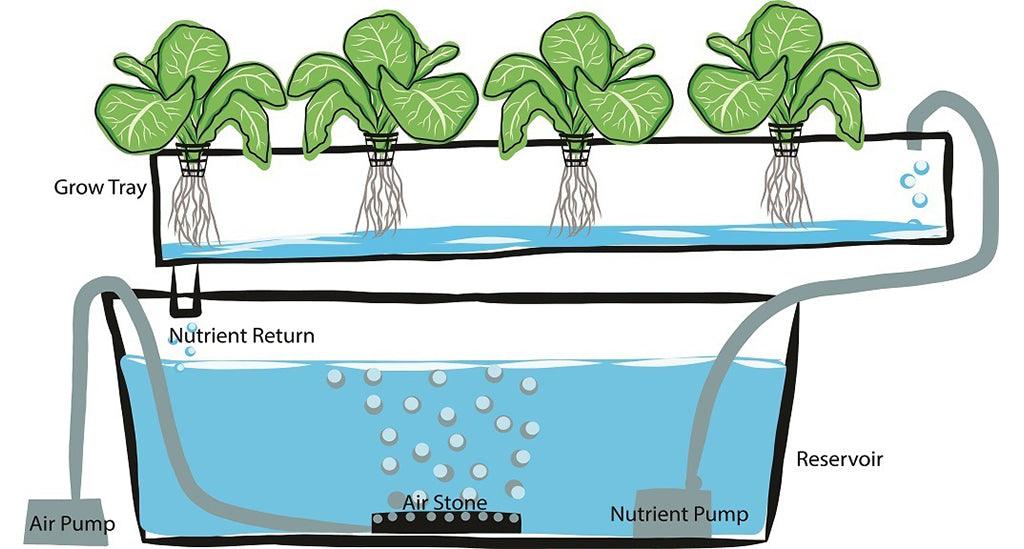
- Pump: To circulate the nutrient solution through the system.
- Aeration kit: To provide oxygen to the roots of the plants.
How to Set Up a Hydroponic System
Setting up a hydroponic system requires some planning and execution. Here’s a step-by-step guide:
- Choose a location for your hydroponic system, considering factors like lighting, temperature, and humidity.
- Select the type of hydroponic system you want to use and gather all necessary materials.
- Set up the grow containers and nutrient solution container.
- Install the pump and aeration kit.
- Add water and nutrients to the system.
- Monitor pH levels and adjust as needed.
Benefits of Hydroponic Farming
Hydroponic farming offers several benefits, including:
- Increased yields: Hydroponic systems can produce higher yields than traditional farming methods.
- Water conservation: Hydroponic systems use significantly less water than traditional farming methods.
- Reduced land use: Hydroponic systems can be set up indoors or in small spaces, making them ideal for urban areas.
Challenges of Hydroponic Farming
While hydroponic farming offers several benefits, there are also some challenges to consider:
- High initial cost: Setting up a hydroponic system requires an initial investment.
- Limited crop selection: Not all crops can be grown using hydroponics.
- Monitoring and maintenance: Hydroponic systems require regular monitoring and maintenance to ensure optimal growth.
Conclusion
Hydroponic farming is a versatile and efficient method of growing plants without soil. By understanding the basics of hydroponic farming, you can create your own indoor garden or start a small-scale farm. With proper planning and execution, hydroponic farming can help reduce water consumption, increase yields, and promote sustainable agriculture.
Frequently Asked Questions (FAQs)
Q: What is hydroponic farming?
A: Hydroponic farming is a method of growing plants without soil, using nutrient-rich water instead.
Q: How does hydroponic farming work?
A: Hydroponic farming involves using a nutrient-rich solution to nourish plant growth, rather than soil.
Q: What are the benefits of hydroponic farming?
A: The benefits of hydroponic farming include increased yields, water conservation, and reduced land use.
Q: What are the challenges of hydroponic farming?
A: Challenges of hydroponic farming include high initial costs, limited crop selection, and monitoring and maintenance requirements.
Q: How can I get started with hydroponic farming?
A: To get started with hydroponic farming, you’ll need to choose a location, select the type of system, gather materials, set up the grow containers and nutrient solution container, install the pump and aeration kit, add water and nutrients, and monitor pH levels.
Q: Can I use hydroponics for all crops?
A: No, not all crops can be grown using hydroponics. Some crops may require specific growing conditions that are difficult to replicate with hydroponics.
Q: How often do I need to maintain my hydroponic system?
A: Regular monitoring and maintenance of the hydroponic system is necessary to ensure optimal growth. This includes checking pH levels, adjusting the nutrient solution as needed, and ensuring proper aeration and water circulation.
Common Mistakes to Avoid in Hydroponic Farming
- Inadequate pH control: Failing to maintain optimal pH levels can lead to plant stress and reduced yields.
- Insufficient aeration: Inadequate aeration can limit the growth of plants, making them more susceptible to disease and pests.
- Over- or under-fertilization: Incorrect nutrient dosing can lead to plant damage and reduced yields.
Tips for Successful Hydroponic Farming
- Monitor pH levels regularly: Regularly check pH levels to ensure optimal growing conditions.
- Adjust the nutrient solution as needed: Adjust the nutrient solution based on plant growth and environmental factors.
- Provide adequate aeration: Ensure proper aeration to promote healthy plant growth.
Conclusion
Hydroponic farming is a valuable technique for growers looking to increase yields, conserve water, and reduce land use. By understanding the basics of hydroponic farming, you can create your own indoor garden or start a small-scale farm. With proper planning and execution, hydroponic farming can help promote sustainable agriculture and provide fresh produce for years to come.
Resources
- The National Hydroponics Association: Provides information on hydroponic systems, nutrient solutions, and best practices.
- The Hydroponics Forum: A community of growers sharing knowledge, experiences, and advice on hydroponic farming.
- Hydroponic gardening books: Offers a wealth of information on hydroponic systems, crop selection, and maintenance.
Conclusion
In conclusion, hydroponic farming is a versatile and efficient method of growing plants without soil. By understanding the basics of hydroponic farming, you can create your own indoor garden or start a small-scale farm. With proper planning and execution, hydroponic farming can help reduce water consumption, increase yields, and promote sustainable agriculture.


