
In the world of logistics, delivering exceptional quality products is not just about speed and efficiency; it’s also about sustainability. DHL Express has taken a significant step towards achieving this goal with its “For Food” service, specifically designed for the food industry. This innovative approach combines top-notch transportation services with environmental responsibility, making it an attractive option for producers and distributors in the sector.
What is DHL Express for Food?
DHL Express for Food offers a range of benefits that cater to the unique needs of the food industry. Some key features include:
- Timely Deliveries: DHL Express ensures fast and reliable delivery, even for perishable products like fruits and vegetables.
- Capillary Delivery: The company’s extensive network allows for seamless distribution, ensuring that products reach their destinations quickly and efficiently.
- Quality Guarantee: DHL Express adheres to strict hygiene and sanitation standards, guaranteeing a safe and healthy transportation experience for food products.
Environmental Responsibility
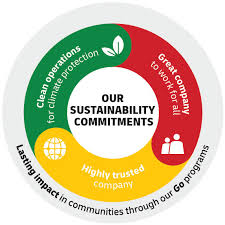
DHL Express acknowledges the importance of minimizing its environmental impact. The company has implemented various initiatives, such as:
- Carbon Emissions Calculations: DHL Express calculates its carbon emissions from each shipment and offsets them by investing in reforestation projects and renewable energy sources.
- Green Transportation Options: Over 8,500 vehicles are powered by alternative fuels or systems, reducing the company’s carbon footprint.
- Employee Training and Education: DHL Express provides ongoing training and education to its employees on environmental sustainability, promoting a culture of eco-friendliness throughout the organization.
The Benefits of Sustainable Logistics
Sustainable logistics is not just a moral imperative; it also has economic benefits. By adopting sustainable practices, companies can reduce costs associated with fuel consumption, lower carbon emissions, and improve their brand reputation.
- Reduced Operating Costs: Sustainable logistics practices can help reduce operating costs by minimizing fuel consumption and lowering energy costs.
- Improved Brand Reputation: Companies that prioritize sustainability are more likely to attract customers who share similar values, improving their brand reputation.
- Access to New Markets: The growing demand for sustainable products presents opportunities for companies to enter new markets and expand their customer base.
The Role of Technology in Sustainable Logistics
Technology plays a critical role in achieving sustainable logistics. By leveraging digital solutions, companies can optimize their operations, reduce waste, and improve their environmental impact.
- Real-Time Tracking: Real-time tracking systems enable companies to monitor the location and status of shipments, reducing the need for unnecessary deliveries.
- Predictive Analytics: Predictive analytics tools help companies anticipate demand and adjust their supply chain accordingly, minimizing waste and reducing carbon emissions.
- Sustainable Packaging Solutions: Digital solutions can also be used to design more sustainable packaging options, such as biodegradable materials and minimal packaging.
The Future of Sustainable Logistics
As the world becomes increasingly environmentally conscious, sustainable logistics will play an increasingly important role in the global economy. Companies that prioritize sustainability will have a competitive advantage in attracting customers who share similar values.
- Increased Demand for Sustainable Products: The growing demand for sustainable products presents opportunities for companies to expand their customer base and increase revenue.
- Government Regulations: Governments around the world are introducing regulations to reduce carbon emissions, making it increasingly important for companies to adopt sustainable logistics practices.
- Innovation and Collaboration: By partnering with other companies and investing in research and development, sustainable logistics can drive innovation and improve its environmental impact.
Conclusion
DHL Express has made significant strides towards achieving sustainable excellence in logistics. Its innovative “For Food” service offers a unique combination of speed, efficiency, and sustainability, making it an attractive option for producers and distributors in the food industry. By prioritizing environmental responsibility and supporting start-ups and entrepreneurs who share its vision for a greener future, DHL Express is driving progress towards a more sustainable logistics industry.


