
Harnessing the Power of Microbubbles for Sustainable Biofuels from Algae
In theory, algae could represent a new frontier in biofuels. What separates theory from practice is the models of cultivation and harvesting of algae, a limitation that science is about to overcome. A new technique has been developed by the University of Sheffield, which aims to produce biofuels from vegetable-based substances.
The Importance of Biofuels
Biofuels are considered an important alternative to fossil fuels, but the costs of production and difficulties encountered by experts are substantial. Algae might represent the ideal solution for efficient biofuel production due to their high oil content, rapid growth rate, and ability to thrive in a variety of environments.
Algae have been studied as a potential source of biofuels for several decades, with various methods proposed for harvesting and extracting oils from them. However, these approaches often involve complex and energy-intensive processes, making them economically unviable at present.
Breaking Down Barriers: The Microbubble Technology
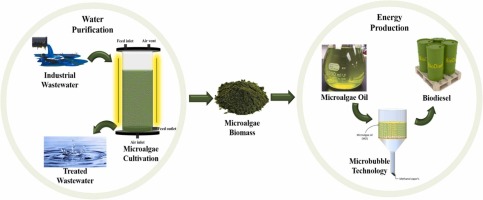
A team led by Will Zimmerman, Professor of Chemical and Biological Engineering, has overcome the problems developed a methodological approach that effectively and at low cost produces biofuels from algae. The strategy of the professor involves using microbubbles to rise from the sea floor to the surface, allowing for easier collection of substances extracted from algae.
The Challenges of Algae Harvesting
Algae grow on the seafloor, in great depth. Zimmerman’s team used to believe that they had already solved the main obstacle that prevented companies from transforming algal products into biofuels, but discovered that biofuels could not yet be produced from algae due to the lack of a cost-effective production system. There were difficulties in harvesting and draining the algae.
The Breakthrough: Microbubble Technology
Although microbubbles have been used before for other purposes, Zimmerman’s team has developed a new application using them as a tool to increase the density of algae, allowing for easier collection.
Zimmerman’s model is similar to existing technologies but uses up to 1000 times less energy for microbubble production. The device for producing these bubbles is also much cheaper than its predecessors.
The Efficiency and Cost-Effectiveness of Microbubble Technology
Zimmerman’s team has demonstrated that their method is more efficient and cost-effective compared to other methods. This breakthrough could enable algae to become a viable source of biofuels, reducing our reliance on fossil fuels and mitigating climate change.
Next Steps: Pilot Plant Development
The next step will be the development of a pilot plant to test the system on an industrial scale. This will allow for further optimization and refinement of the technology before scaling up production.
Partnership with Tata Steel and Funding
Zimmerman’s team has already collaborated with Tata Steel in England on a project. With his microbubble-based technology, Zimmerman is about to achieve the change that the biofuels industry needs.
The research was supported by funding from the Engineering and Physical Sciences Research Council, as well as the Royal Society Innovation Award and Concept Found of Yorkshire Forward.
Conclusion
Zimmerman’s work demonstrates that even seemingly insurmountable challenges can be overcome with innovative thinking. The potential for algae to produce biofuels is vast, and the development of microbubble technology offers a promising solution.
The future of sustainable energy sources looks bright, as breakthroughs in technology continue to emerge. As researchers and industry experts collaborate to develop more efficient methods for producing biofuels from algae, we can expect to see significant advancements in this field in the years to come.
Frequently Asked Questions
- What are microbubbles in this context? Microbubbles refer to small bubbles created using a technology developed by Zimmerman’s team.
- How do these microbubbles help with algae harvesting? The microbubbles rise from the sea floor to the surface, allowing for easier collection of substances extracted from algae.
- What are the benefits of using microbubble technology? Microbubble technology is more efficient and cost-effective than existing methods for producing biofuels from algae.
- How does this impact the industry’s shift towards sustainable energy sources? The development of microbubble technology offers a promising solution to overcome the barriers in the production of biofuels, contributing to the industry’s transition towards sustainable energy sources.
- What are the next steps for implementing this technology on an industrial scale? Developing a pilot plant to test the system on an industrial scale is the next step.
- Who has supported Zimmerman’s research? The Engineering and Physical Sciences Research Council, Royal Society Innovation Award, and Concept Found of Yorkshire Forward have provided financial support for his work.
- What are the implications of this technology for the environment? Using microbubble technology could lead to a more efficient production of biofuels from algae, which in turn could help reduce our reliance on fossil fuels and mitigate climate change.


