
Understanding the Importance of Sterilization
When it comes to making homemade jams and preserves, having clean equipment is crucial. But what happens when you use dirty glass jars? The risk of contamination and foodborne illnesses increases significantly. In this article, we’ll explore how to sterilize glass jars in the microwave safely and effectively.
The Risks of Using Dirty Glass Jars
When you make homemade jams and preserves, it’s easy to forget about cleaning your equipment. But if your glass jars are not properly cleaned and sterilized, bacteria and other microorganisms can multiply, leading to food poisoning. In fact, the Centers for Disease Control (CDC) warns that contaminated food can cause botulism, a serious and potentially life-threatening illness.
The Science Behind Sterilization
Sterilization is the process of eliminating all forms of microbial life from an object or surface. To achieve sterilization, the heat generated by the microwave must be able to kill or inactivate all bacteria, viruses, fungi, and other microorganisms that may be present on the glass jar.
Sterilizing Glass Jars in the Microwave: A Simple Method
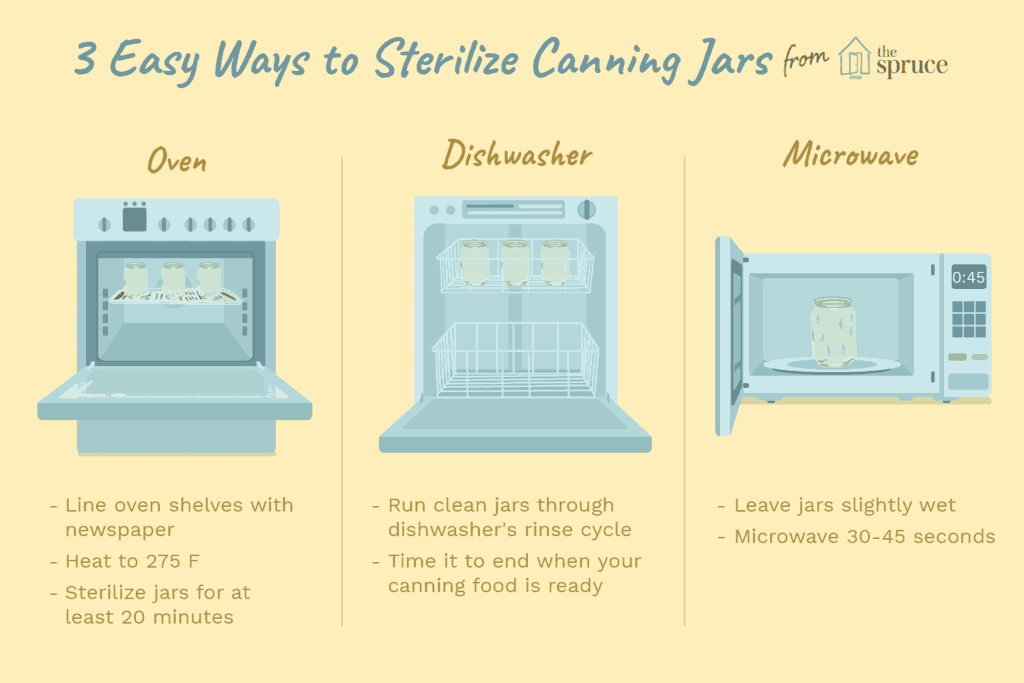
One of the most effective ways to sterilize glass jars is by using the microwave. This method is quick, easy, and requires minimal equipment. Here’s a step-by-step guide on how to sterilize your glass jars in the microwave:
Preparing Your Glass Jars
- Wash the glass jars with soap and warm water to remove any residue.
- Rinse the jars thoroughly with clean water to ensure they are free of any soap or debris.
Sterilizing the Jars in the Microwave
- Fill each jar with 3/4 cup of water, leaving about an inch at the top.
- Place the jar in the microwave and set it for 3 minutes (or until the water starts boiling).
- Remove the jar from the microwave using a heat-resistant glove or towel to avoid burns.
Important Safety Notes
- Always use a clean and dry environment when sterilizing glass jars to prevent contamination.
- Make sure the jars are fully covered with water to ensure even heating.
- If you’re unsure about the safety of your microwave, consult your user manual before proceeding.
- Never leave the jar in the microwave unattended while it’s boiling.
Alternative Methods for Sterilizing Glass Jars
While the microwave method is effective, there are other ways to sterilize glass jars if you prefer. Here are a few alternatives:
- Using a dishwasher: Most dishwashers have a sterilization cycle that can effectively kill bacteria and other microorganisms.
- Boiling water: Simply boil water in a pot for 3-5 minutes to create a sterile solution for your jars.
- Sterilizing bags: You can use specialized bags designed specifically for sterilizing glass jars. These bags are made of a non-reactive material and can be reused multiple times.
Using Microwave-Safe Containers
If you plan on sterilizing your biberons or other small items in the microwave, consider using specialized containers designed for this purpose. These containers are typically made of heat-resistant materials like plastic or silicone and have a dedicated compartment for microwaving.
Common Misconceptions About Sterilizing Glass Jars in the Microwave
- Some people believe that microwaves can create steam bubbles that kill bacteria. However, this is not entirely accurate. While steam bubbles may form during sterilization, they are not sufficient to kill all bacteria and other microorganisms.
- Others think that you should sterilize your glass jars for a longer period of time to ensure complete sterilization. However, over-sterilizing can actually reduce the effectiveness of the jar’s seal.
Sterilization Time and Temperature
The temperature and duration of the sterilization process are crucial in determining its effectiveness. The ideal temperature for sterilization is between 212°F (100°C) and 240°F (115°C), which can be achieved by using a microwave with sufficient power to heat water to this range.
Frequently Asked Questions (FAQs)
- How long should I sterilize my glass jars in the microwave?
- For most glass jars, 3 minutes is sufficient for sterilization. However, for higher altitude areas or longer storage times, you may need to adjust the sterilization time accordingly.
- What if I forget to sterilize one of my glass jars?
- If you’ve forgotten to sterilize a glass jar and will be using it soon, you can re-sterilize it by repeating the microwave process.
- Can I reuse microwave-safe containers for multiple cycles?
-
Yes, most microwave-safe containers are designed for repeated use and can withstand multiple cycles of sterilization without compromising their effectiveness.
-
What types of bacteria and microorganisms can be killed during the sterilization process?
- Sterilization in the microwave can kill a wide range of bacteria, including E. coli, Salmonella, and Listeria.
- Can I use glass jars for storing food that’s not suitable for microwave sterilization?
- No, it’s best to avoid using glass jars for storing acidic or fatty foods, as these types of foods can react with the glass or create an environment conducive to bacterial growth.
Conclusion
Sterilizing glass jars in the microwave is an effective way to ensure food safety and prevent contamination. By following these simple steps and using specialized containers if needed, you can safely sterilize your glass jars for making homemade jams and preserves. Remember to always follow proper safety precautions when working with hot equipment and to be aware of any common misconceptions about sterilization.
Additional Tips and Reminders
- Always check the manufacturer’s instructions before using a microwave-safe container or jar.
- Be mindful of the weight capacity of your microwave and avoid overloading it with jars.
- Regularly clean and sanitize your glass jars to prevent contamination and extend their lifespan.
- Consider investing in a dedicated sterilization station or countertop to keep your equipment organized and easily accessible.
Safety Considerations
When working with hot equipment, safety should always be the top priority. Here are some additional considerations:
- Always use heat-resistant gloves or towels when handling hot jars or containers.
- Keep children and pets away from the microwave while it’s in operation.
- Be aware of your surroundings and avoid distractions while operating the microwave.
- Follow all manufacturer instructions for your specific microwave model.
Conclusion
Sterilizing glass jars in the microwave is a simple, effective way to ensure food safety and prevent contamination. By following these guidelines and taking necessary safety precautions, you can safely sterilize your glass jars and enjoy making homemade jams and preserves without worrying about bacterial growth or contamination.


