
Mould can be a frustrating problem, especially when it appears in hard-to-reach areas like ceiling corners and walls. While commercial mould removers are readily available, they often contain harsh chemicals that can harm the environment and our health. Fortunately, making your own mould remover with baking soda is a simple and effective solution.
Understanding Mould and its Causes
Mould thrives in damp environments, particularly when there are issues like leaks, condensation, or poor ventilation. As a result, it’s essential to identify the root causes of mould growth and address them before attempting to remove it. Regular cleaning habits, such as dusting and vacuuming, can also contribute to mould development.
Mould growth is often linked to excess moisture in the air and on surfaces. When there is too much moisture present, it creates an ideal environment for mould spores to germinate and grow. This can happen due to various reasons such as:
- Leaks or water damage from pipes or roofs
- Poor ventilation in bathrooms, kitchens, or laundry rooms
- Condensation on windows, walls, or ceilings
- High humidity levels in the air
A Brief History of Mould Removal
Traditionally, mould removers were based on chemical-based products that contained harsh ingredients like bleach or ammonia. While these products may have been effective in removing mould, they posed significant risks to the environment and human health.
In recent years, there has been a growing demand for eco-friendly solutions, leading to the development of natural mould removers. These products are designed to be gentler on surfaces and the environment while still providing effective results against mould growth.
The Science Behind Making a Mould Remover with Baking Soda
Baking soda (sodium bicarbonate) is a naturally occurring substance that has antifungal properties, making it an ideal ingredient for creating a mould remover. When combined with water and other ingredients, baking soda can effectively neutralize and remove mould from surfaces.
The antifungal properties of baking soda work by:
- Lowering the pH level of the surface, making it less hospitable to mould growth
- Dehydrating the mould spores, causing them to die off
- Inhibiting the growth of new mould cells
The Essential Ingredients
To make a mould remover with baking soda, you’ll need the following ingredients:
- 800 ml of water
- 3 tablespoons of oxygenated water (30 volumes)
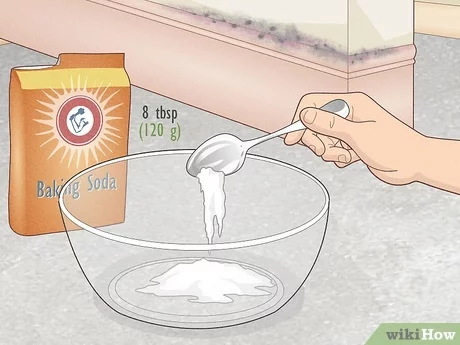
- 3 tablespoons of baking soda
- 3 tablespoons of salt
- The zest of 3 lemons
- Optional: 1 teaspoon of tea tree oil (for its antimicrobial properties)
These ingredients can be easily sourced from local grocery stores or online retailers.
The Process
To create your mould remover, follow these steps:
- Combine the lemon zest and water in a container with a tight-fitting lid.
- Allow the mixture to steep for 15 days. This step is crucial as it allows the natural oils from the lemons to infuse into the water, creating a powerful antimicrobial agent.
- Once the mixture has steeped, combine the baking soda and salt with the water.
- Stir well and let the mixture sit for 2 days before straining it through a fine-mesh sieve.
- Transfer the resulting liquid to an spray bottle.
- Add the oxygenated water and gently shake the bottle to mix.
Using Your Mould Remover
To use your mould remover, simply spritz the solution onto surfaces where mould is present or where you want to prevent mould growth. Allow the solution to sit for 10 minutes before scrubbing the area with a soft-bristled brush.
Tips and Precautions
When using your mould remover, be sure to:
- Shake the spray bottle well before each use
- Avoid inhaling the fumes from the mixture
- Wear protective gloves and eyewear when handling the solution
- Use the mould remover in well-ventilated areas
- Test a small area of the surface first to ensure there is no discoloration or damage
Product Comparison: Natural Mould Removers vs. Commercial Products
While commercial mould removers may offer faster results, they often come with harsh chemicals that can harm the environment and our health. In contrast, natural mould removers like the one described in this article are gentle on surfaces and the environment.
Some popular natural mould removers include:
- Elimina Mould Spray: A 1-litre spray bottle containing a non-toxic formula to eliminate mould and prevent its return.
- Ariasana Smuffer: A 500-ml liquid antimould product with a light lemon scent, effective against algae, moss, and other microorganisms.
- Nature’s Miracle Mould & Mildew Remover: A plant-based formula that is safe for use on surfaces, carpets, and upholstery.
Conclusion
Making your own mould remover with baking soda is a simple, eco-friendly solution that can effectively remove mould from surfaces. By understanding the causes of mould growth and using natural ingredients, you can create a safe and effective mould remover for your home or business.
In addition to using a homemade mould remover, there are several steps you can take to prevent mould growth in the first place:
- Regularly clean and dust surfaces
- Improve ventilation in bathrooms, kitchens, and laundry rooms
- Fix any leaks or water damage promptly
- Reduce humidity levels in the air by using a dehumidifier
- Use a natural antifungal agent like tea tree oil to disinfect surfaces
By taking these steps, you can create a healthier and more mould-free environment for yourself and your loved ones.


