
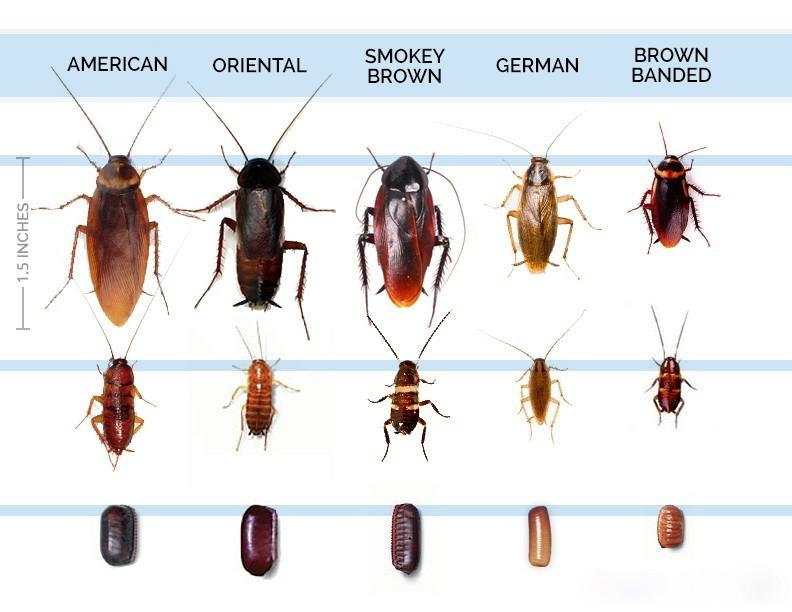
Are you wondering how to determine whether there are cockroaches in your home? The answer is not as simple as it seems, but understanding the signs and habits of these unwanted pests can help you take action. Cockroaches can be a serious health risk due to their ability to contaminate food and spread diseases like salmonella, tenia, and hepatitis.
Understanding the Signs
Cockroach infestations can be difficult to detect, especially for those who are new to dealing with these pests. However, there are several signs that can indicate the presence of cockroaches in your home:
- Droppings: The droppings of cockroaches are typically small, dark, and oval-shaped. These droppings can be found on surfaces such as countertops, sinks, and floors.
- Shed skins: Cockroaches shed their skin as they grow, leaving behind a translucent or white skin that can be found in various areas of your home.
- Live insects: Seeing a live cockroach in the wild is the most conclusive sign that you have an infestation.
Where Do Cockroaches Come From?
While it’s tempting to blame yourself for attracting these pests, the reality is that cockroaches can thrive in even the cleanest and most well-maintained homes. They’re attracted to food sources, moisture, and warmth. Here are some common places where you might find cockroaches:
- The kitchen: This room is a prime breeding ground due to the abundance of food waste and moisture.
- Bathrooms: The presence of humidity and organic matter makes bathrooms an ideal location for cockroach infestations.
- Basements or crawl spaces: These areas often provide the perfect conditions for cockroaches to hide and breed.
How to Catch Cockroaches in the Act
One method to catch cockroaches is to set up a trap using a dark-colored container with a sweet liquid bait. Place this near the suspected infestation area, but not directly in the path of the roach’s natural movement. This will give the insect time to discover the food source and return to its nest.
- Sticky traps: These can be placed in areas where cockroaches are most active.
- Bait stations: These can be used to catch cockroaches that have been feeding on bait.
- Glow-in-the-dark traps: These can be an effective way to capture cockroaches at night.
Eliminating Attractants
To discourage cockroaches from visiting your home, it’s essential to eliminate potential attractants:
- Keep food covered: Store all food in sealed containers or ziplock bags.
- Regularly clean and sanitize surfaces: Ensure that countertops, sinks, and floors are regularly cleaned and disinfected.
- Avoid leaving dirty dishes or trash: Regularly empty trash cans and wash any dishes or utensils with soap and water.
Preventing Future Infestations
To prevent future cockroach infestations, consider the following tips:
- Regularly inspect your home for signs of cockroaches: Check areas such as the kitchen, bathroom, and basements or crawl spaces.
- Keep your home clean and well-maintained: Regularly clean and disinfect surfaces, and ensure that food is stored properly.
- Seal any entry points around windows, doors, or pipes: Use caulk or weatherstripping to seal any gaps in the walls, floors, or ceilings.
Preventing Food Damage by Cockroaches
Cockroaches can cause significant damage to food, especially if they’re not detected quickly. To minimize the risk of food damage:
- Keep an eye out for signs of cockroach infestation: Regularly check for droppings, shed skins, and live insects.
- Regularly clean and sanitize surfaces where food is prepared or stored: Ensure that countertops, sinks, and floors are regularly cleaned and disinfected.
- Use insect-proof containers to store food: Keep food in sealed containers or ziplock bags to prevent cockroaches from accessing it.
Natural Methods for Cockroach Control
While chemical pesticides can be effective, they’re not the only solution. Here are some natural methods you can try:
- Baking soda: Sprinkle baking soda liberally around areas where cockroaches have been spotted.
- Diatomaceous earth: This powder is made from fossilized algae and can dehydrate and kill cockroaches.
- Essential oils: Certain essential oils, such as peppermint, lavender, and tea tree oil, can repel cockroaches.
Conclusion
Cockroach infestations can be a serious issue, but with the right knowledge and strategies, you can prevent them. By understanding the signs of an infestation, eliminating attractants, and using natural methods for control, you can keep these unwanted pests out of your home and away from your food.
Frequently Asked Questions
Q: What are the most common signs of a cockroach infestation?
A: Common signs include droppings, shed skins, live insects, and the presence of pheromone trails.
Q: How do I know if my home has a cockroach problem?
A: Look for signs of an infestation in various areas of your home, including the kitchen, bathroom, and basements or crawl spaces.
Q: Can cockroaches carry diseases?
A: Yes, cockroaches can spread diseases like salmonella, tenia, and hepatitis through their waste and contact with contaminated surfaces.
Q: How do I get rid of cockroaches naturally?
A: Use natural methods such as baking soda, diatomaceous earth, or boric acid to control cockroach populations.
Q: What is the best way to prevent future cockroach infestations?
A: Regularly inspect your home for signs of cockroaches, keep surfaces clean and well-maintained, seal entry points around windows and doors, and eliminate attractants like food waste and moisture.


