
As one of the most widely used herbs in Italian cuisine, basil is a staple in many kitchens. Originating from Asia, this fragrant herb has become an integral part of European cooking, particularly in Italy. However, for those new to growing basil, it can be daunting to know where to start.
In this article, we’ll take you through the process of sowing and caring for basil, ensuring that your plants thrive and produce plenty of fresh leaves for your favorite dishes.
Choosing the Right Time and Place
When is the best time to sow basil? The ideal period for sowing basil is in late spring or early summer, when the weather has warmed up. In areas with mild winters, it’s possible to sow basil as early as January or February. However, in colder climates, it’s better to wait until May or June.
Where should you place your basil plants? Basil requires plenty of sunlight, so choose a spot that receives at least 6-8 hours of direct sunlight per day. If you’re growing basil indoors, make sure the windowsill is south-facing and protected from drafts.
Preparing the Soil
Before sowing your basil seeds, it’s essential to prepare the soil. Basil prefers well-draining, fertile soil that’s rich in organic matter. If you’re planting in a container, use a high-quality potting mix specifically designed for herbs. If you’re planting directly in the ground, loosen the soil to a depth of about 12 inches and mix in a 2-inch layer of compost or well-rotted manure.
When choosing a location for your basil plants, consider factors like wind direction and moisture levels. Avoid areas with standing water or where water tends to collect.
Sowing Basil Seeds
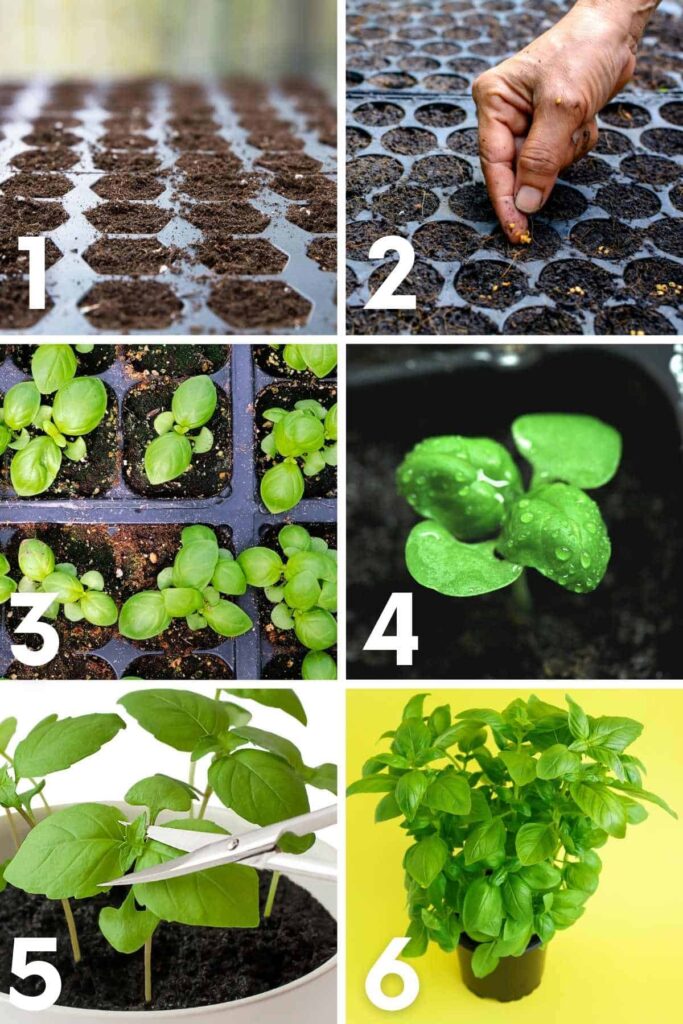
Sowing basil seeds is a straightforward process that requires minimal equipment. Here’s how:
- Sow the seeds thinly and evenly, about 8 cm apart.
- Cover the seeds with a thin layer of soil, about 1-2 mm deep.
- Water gently but thoroughly.
- Keep the soil consistently moist during the first few weeks after sowing.
Caring for Your Basil Plants
Once your basil plants have germinated and are growing, it’s time to provide them with regular care. Here are some tips to keep in mind:
- Watering: Basil needs consistent moisture, especially when it’s producing leaves. Water your plants daily, but make sure not to overwater, which can lead to root rot.
- Fertilization: Feed your basil plants with a balanced fertilizer once a month. You can also use a fertilizer specifically formulated for herbs.
- Pruning: Regular pruning will encourage your basil plants to produce more leaves and prevent them from flowering.
- Pest control: Keep an eye out for pests like aphids, whiteflies, and spider mites. Use organic pest control methods whenever possible.
Where to Buy Basil Seeds
You can buy basil seeds at most gardening stores or online retailers. Some popular options include Amazon, Burpee, and Seed Savers Exchange. Make sure to choose a reputable seller that offers high-quality seeds specifically bred for herb gardens.
When purchasing basil seeds, look for the following characteristics:
- Freshness: Freshly harvested seeds will have a higher germination rate.
- Variety: Choose from a variety of basil strains, each with its unique flavor and aroma profile.
- Quality control: Reputable sellers should provide high-quality seeds that are free of pests and diseases.
Harvesting Your Basil
When your basil plants are ready to harvest, simply pinch off the leaves as needed. You can also use scissors to cut off the entire plant just above a node (where a leaf meets the stem). This will encourage new growth and prevent the plant from flowering.
By following these simple steps, you’ll be enjoying fresh, fragrant basil leaves in no time. Happy growing!
Frequently Asked Questions
Q: How long does it take for basil to grow?
A: Basil typically takes 6-8 weeks to mature after sowing seeds. However, this can vary depending on factors like climate and soil quality.
Q: Can I grow basil indoors?
A: Yes, you can grow basil indoors using a pot or container. Just make sure the windowsill receives plenty of sunlight and the temperature is between 65°F-75°F (18°C-24°C).
Q: How do I prevent pests from harming my basil plants?
A: Regularly inspect your plants for signs of pests like aphids, whiteflies, and spider mites. Use organic pest control methods whenever possible to keep your basil healthy.
Q: Can I grow multiple varieties of basil together?
A: Yes, you can grow multiple varieties of basil together in the same container or bed. However, make sure they have different growing requirements and are not competing for resources like light and water.
Q: How do I propagate my basil plants?
A: Basil can be propagated through division, cuttings, or seed saving. Simply follow the specific propagation method for each method to ensure healthy roots and a strong start.
Q: Can I use basil seeds from last year’s harvest to grow this year’s crop?
A: While it’s technically possible to save basil seeds from last year’s harvest, the quality and viability of the seeds may vary greatly. It’s best to purchase fresh seeds specifically bred for herb gardens to ensure optimal results.
Tips and Tricks
- Use a trellis: Basil plants can grow quite tall, so consider using a trellis to support them.
- Pinch off flower buds: Regularly remove flower buds from your basil plants to encourage leaf growth.
- Keep the area weed-free: Weeds can compete with your basil for resources like light and water. Keep the area around your plants clear of weeds.
By following these tips and tricks, you’ll be well on your way to growing delicious, fragrant basil in no time. Happy gardening!


