
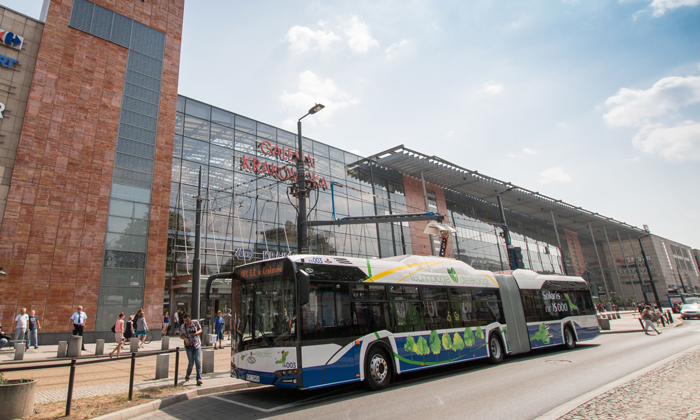
As the world transitions towards a more sustainable future, cities are looking for innovative solutions to reduce their carbon footprint. One such solution is the electric bus, and Krakow is no exception. In this article, we’ll explore the introduction of electric buses in Krakow and how they’re set to transform the city’s transportation system.
A New Era for Urban Mobility
Electric buses are becoming increasingly popular globally, and Krakow is now joining the ranks. The city has launched a trial period with the Solaris Urbino Electric bus, which will run on specific routes for 12 months. This move is part of Krakow’s efforts to reduce congestion and pollution in the city.
The introduction of electric buses marks an exciting new chapter in the city’s transportation history. As cities worldwide strive for a more sustainable future, it’s clear that the role of public transportation will become increasingly important in reducing emissions and promoting cleaner air.
How Do Electric Buses Work?
So, how do electric buses operate? The Solaris Urbino Electric features a 210 kWh battery that’s charged overnight at a high-tension charger. Unlike some other electric buses, this model uses traditional charging methods rather than wireless charging. This approach allows for faster and more efficient charging.
The electric motors are mounted directly on the wheels, which not only reduces overall weight but also increases cargo capacity and passenger space inside the bus. This design choice is crucial in ensuring that passengers have an optimal travel experience while minimizing environmental impact.
A Cleaner Ride
One of the most significant benefits of electric buses is their reduced environmental impact. By using electricity instead of fossil fuels, these buses emit zero tailpipe pollutants and greenhouse gases. This means less air pollution for citizens, improved public health, and a cleaner environment.
In Krakow, the primary cause of urban smog is attributed to the burning of fossil fuels by vehicles. By transitioning to electric buses, the city aims to significantly reduce this problem. Studies have shown that widespread adoption of electric vehicles can lead to substantial reductions in air pollution, particularly in urban areas where emissions are most concentrated.
Cracow’s Electric Bus Trial
The Solaris Urbino Electric will operate on route 154, connecting Pradnik Bialy Station to the northernmost part of the city. Passengers can expect the same standard ticket prices as before. The bus will be in service all day and spend its nights at a depot for full recharging.
This trial period is an important step towards determining the feasibility of electric buses on public roads. By monitoring usage patterns, passenger feedback, and environmental impact, Krakow can refine its approach to transitioning to more sustainable transportation options.
Global Precedents
This isn’t Krakow’s first foray into electric buses. Similar models have been successfully tested on routes in Kalgenfurt, Austria; Braunschweig, Dusseldorf, Hamburg (Germany); and Vasteras, Sweden.
The success of these pilot projects demonstrates the potential of electric buses to transform urban mobility patterns and reduce emissions. Cities worldwide are taking note, with new initiatives launching regularly.
A Commitment to Sustainability
Julian Pilszczek, CEO of Cracow City Transport (MPK), emphasizes the importance of investing in sustainable transportation systems. “Cracow is at the forefront of this trend and actively participates in freeing the city from traffic congestion.”
Pilszczek highlights the significance of collaboration between government agencies, local businesses, and citizens. By working together, Krakow aims to create a cleaner, healthier environment for its residents while promoting economic growth.
The Future of Urban Mobility
As cities worldwide strive for a more sustainable future, electric buses are set to play a significant role. By embracing these clean vehicles, Krakow is taking a major step towards reducing its environmental impact.
However, there’s still much work to be done. As the use of electric buses expands, urban planners must consider additional infrastructure needs, such as charging stations and dedicated bus lanes. Investing in sustainable transportation systems will require careful planning, coordination, and public engagement.
Benefits for Citizens
For citizens, the benefits of electric buses are multifaceted. Reduced air pollution means improved public health, while cleaner energy production can help combat climate change.
Moreover, by offering a reliable and efficient alternative to traditional buses, electric vehicles can reduce traffic congestion, decrease travel times, and promote economic development in surrounding areas.
Conclusion
Krakow’s introduction of electric buses marks an exciting new chapter in the city’s transportation history. As we move forward into a cleaner, greener future, cities will continue to find innovative solutions like these.
While challenges remain, the potential benefits of electric buses are undeniable. By embracing sustainable technologies and collaborating with citizens, Krakow is taking a significant step towards reducing its environmental impact while promoting economic growth and public health.
Frequently Asked Questions (FAQs)
Q: What is the Solaris Urbino Electric bus made of?
A: The bus features a 210 kWh battery that’s charged overnight at a high-tension charger, and electric motors mounted directly on the wheels to reduce weight and increase cargo capacity.
Q: How does the Solaris Urbino Electric charge its batteries?
A: The bus uses traditional high-tension charging methods rather than wireless charging, allowing for faster and more efficient recharging.
Q: Will electric buses replace all current vehicles in Krakow?
A: No, the trial period will focus on specific routes and routes with high passenger demand. Future plans may include expanding the network of electric buses across the city.
Q: What is the expected impact of electric buses on air pollution?
A: By using electricity instead of fossil fuels, electric buses emit zero tailpipe pollutants and greenhouse gases, significantly reducing urban smog and improving public health.
Q: Is this a first for Krakow in terms of sustainable transportation initiatives?
A: No, similar models have been tested successfully on routes in Kalgenfurt, Austria; Braunschweig, Dusseldorf, Hamburg (Germany); and Vasteras, Sweden.
Q: What role will the Solaris Urbino Electric play in reducing traffic congestion in Krakow?
A: By offering a cleaner alternative to traditional buses, electric vehicles are expected to reduce traffic congestion over time as more drivers opt for them.
Q: Can I purchase tickets specifically for the electric bus service?
A: Yes, ticket prices will be the same as those currently offered for regular bus services on route 154.


