
As a responsible pet owner, it’s essential to have a thorough understanding of canine body temperature. Accurate measurement of this vital sign is crucial in diagnosing and treating various health issues that can affect your dog’s overall well-being.
In this comprehensive guide, we’ll delve into the world of canine body temperature, exploring its significance, methods for measuring it, common mistakes to avoid, and when to seek veterinary attention.
What is Canine Body Temperature?
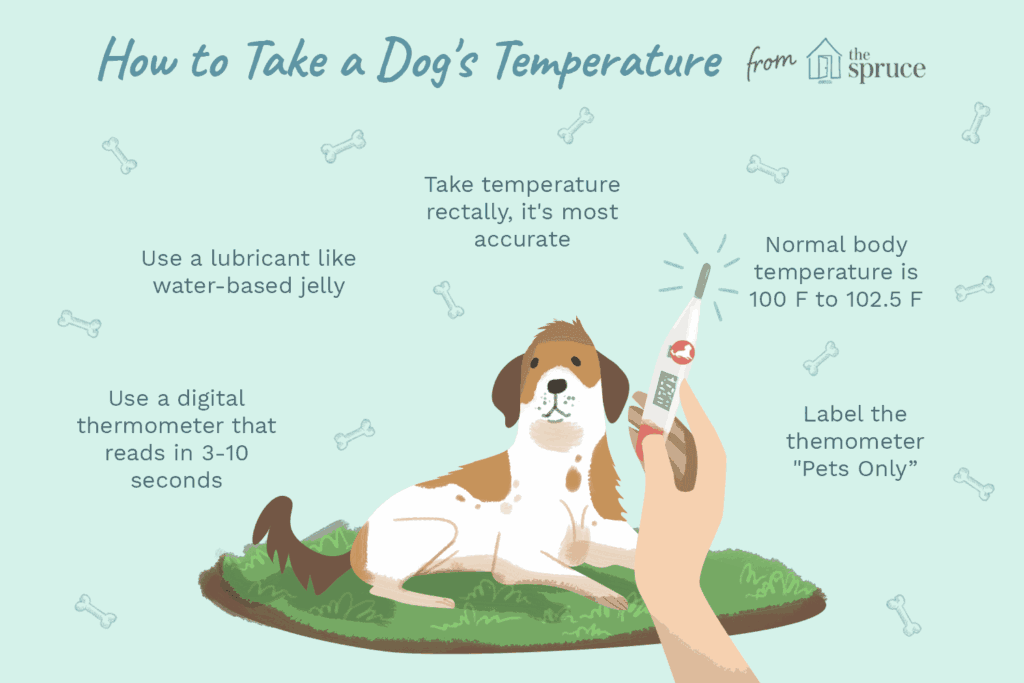
Canine body temperature varies depending on age, breed, and overall health. Generally, a healthy dog’s body temperature ranges from 38-39°C (100-102°F). However, if the temperature exceeds 40°C (104°F), it can be classified as fever or hyperthermia, which requires immediate veterinary attention.
Why is Temperature Measurement Important?
Measuring your dog’s body temperature regularly helps you identify potential health issues early on. A normal temperature range allows for a healthy and happy life for your furry friend. On the other hand, an elevated temperature can indicate a range of conditions, from mild infections to serious illnesses like heatstroke.
Methods for Measuring Canine Body Temperature
There are several methods to measure canine body temperature:
- Rectal Thermometer: This is the most accurate method, using a digital thermometer inserted into the rectum. Digital thermometers with a retainer clip and a short probe (5-7 cm) provide quick readings within 15-30 seconds.
- Ear Thermometer: Also known as an ear pyrometer or ear thermometer, this method measures temperature in the dog’s ear canal. It is less accurate than rectal thermometers but can still be effective for occasional use.
- Infrared Thermometer: This method uses infrared radiation to measure body temperature on the skin surface. While convenient, it may not provide an accurate reading, especially if the dog has a thick coat or is in pain.
Choosing the Right Thermometer
When selecting a thermometer for your dog, consider the following factors:
- Digital Thermometer: A digital thermometer with a retainer clip and short probe provides quick and accurate readings.
- Safety Features: Look for thermometers with safety features like auto-shutoff, memory recall, and tamper-evident seals.
How to Measure Canine Body Temperature Correctly
To ensure accurate temperature measurements:
- Prepare Your Dog: Have your dog sit comfortably and relaxed, either on a table or in your lap.
- Clean the Rectum: Clean the rectum with a cotton swab before inserting the thermometer to prevent contamination.
- Insert the Thermometer: Insert the thermometer into the rectum, taking care not to push too hard, which can cause discomfort.
- Take a Reading: Wait for the display to show the temperature reading.
Common Mistakes to Avoid
To avoid common mistakes when measuring canine body temperature:
- Don’t Use Nasal Thermometers: Nasal thermometers are not suitable for dogs and may cause discomfort or injury.
- Avoid Measuring in Warm Environments: Measure your dog’s temperature in a cool, well-ventilated area to prevent overheating.
When to Seek Veterinary Attention
If you notice any of the following signs or symptoms, seek veterinary attention immediately:
- Fever Over 40°C (104°F)
- Lack of Appetite
- Vomiting or Diarrhea
- Lethargy or Depression
Conclusion
Understanding canine body temperature is crucial for maintaining your dog’s health and well-being. By following the guidelines outlined in this article, you’ll be able to measure your dog’s temperature accurately and identify potential health issues early on.
Frequently Asked Questions (FAQs)
-
What is the normal body temperature range for dogs?
Normal body temperature ranges from 38-39°C (100-102°F).
2. Why can’t I use a nasal thermometer to measure my dog’s temperature?Nasal thermometers are not suitable for dogs and may cause discomfort or injury.
3. How often should I measure my dog’s body temperature?Measure your dog’s temperature regularly, ideally daily or every other day, depending on the individual dog’s needs and health status.
4. What should I do if my dog has a fever over 40°C (104°F)?Seek veterinary attention immediately if your dog develops a fever over 40°C (104°F).
5. Can I use an ear thermometer to measure my dog’s temperature?While ear thermometers can be used, they are less accurate than rectal thermometers and should only be used occasionally.
6. What safety features should I look for in a digital thermometer?Look for thermometers with safety features like auto-shutoff, memory recall, and tamper-evident seals.
7. How can I ensure accurate temperature measurements?Prepare your dog correctly, clean the rectum before inserting the thermometer, and take care not to push too hard while inserting the thermometer.
By following these guidelines and seeking veterinary attention when necessary, you’ll be able to keep your dog healthy and happy for years to come.


