
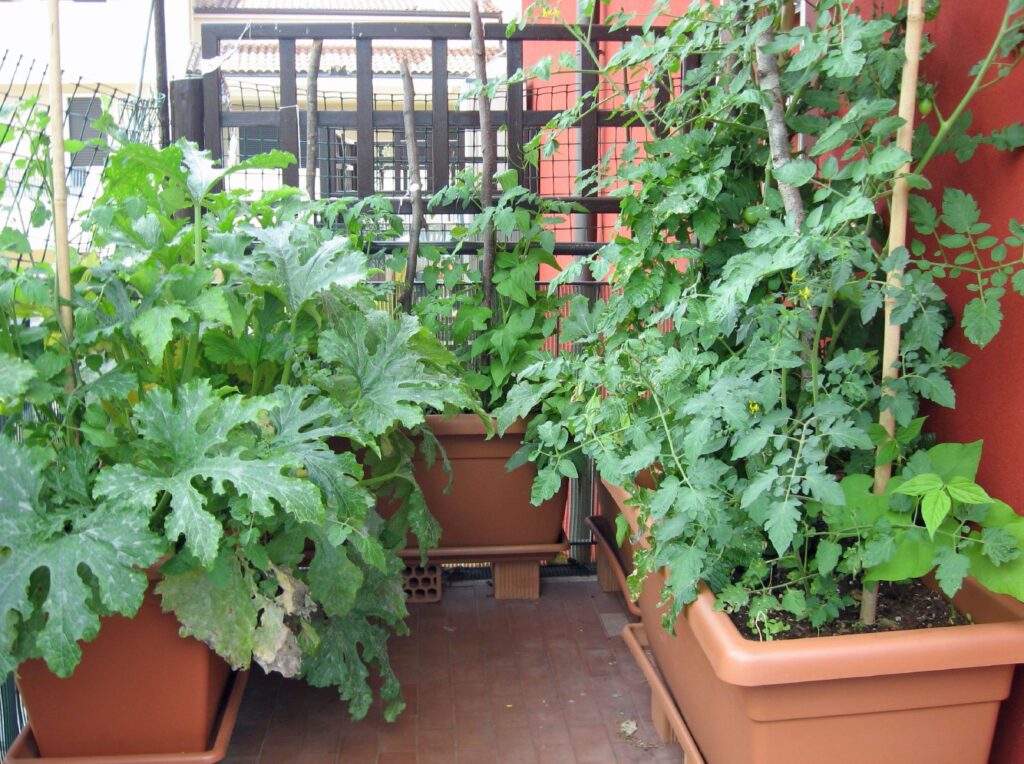
Designing an urban garden is a great way to contribute to your community while also improving your own well-being. Here are some key considerations for establishing an urban garden:
- Choose the right location: Look for areas with good sunlight and access to water. Also, consider the proximity to your home or work.
- Plan for maintenance: Create a schedule for tasks such as watering, weeding, and harvesting.
- Designate a leader: Assign someone to oversee the garden’s daily operations and make decisions about its management.
Benefits of Urban Gardens
Urban gardens have numerous benefits for residents and the community at large. Some of these include:
- Increased food security: By growing their own fruits and vegetables, urban gardeners can improve their access to fresh produce.
- Improved mental health: Spending time in nature has been shown to have a positive impact on mental health.
- Enhanced community engagement: Urban gardens provide opportunities for residents to come together and engage in social activities.
Challenges of Urban Gardens
While urban gardens can be incredibly rewarding, there are also challenges associated with their establishment and maintenance. Some of these include:
- Limited space: Urban gardens are often limited by the available land or space.
- Access to resources: Urban gardeners may face challenges when it comes to accessing resources such as water, tools, and expertise.
- Conflicts with neighbors: Depending on where you live, urban gardens can sometimes create conflicts with neighboring residents.
Best Practices for Urban Gardens
To ensure the success of an urban garden, there are several best practices that should be followed:
- Establish clear rules and regulations: Create guidelines that everyone agrees upon to maintain a harmonious environment for all users.
- Encourage participation: Organize regular meetings to discuss ideas, concerns, and progress.
- Plan group activities: Schedule regular sessions to tackle bigger tasks, such as planting or maintenance.
Conclusion
Urban gardens can be an incredibly rewarding way to contribute to your community while also improving your own well-being. By following these guidelines and best practices, you can help ensure the success of your urban garden project.


