
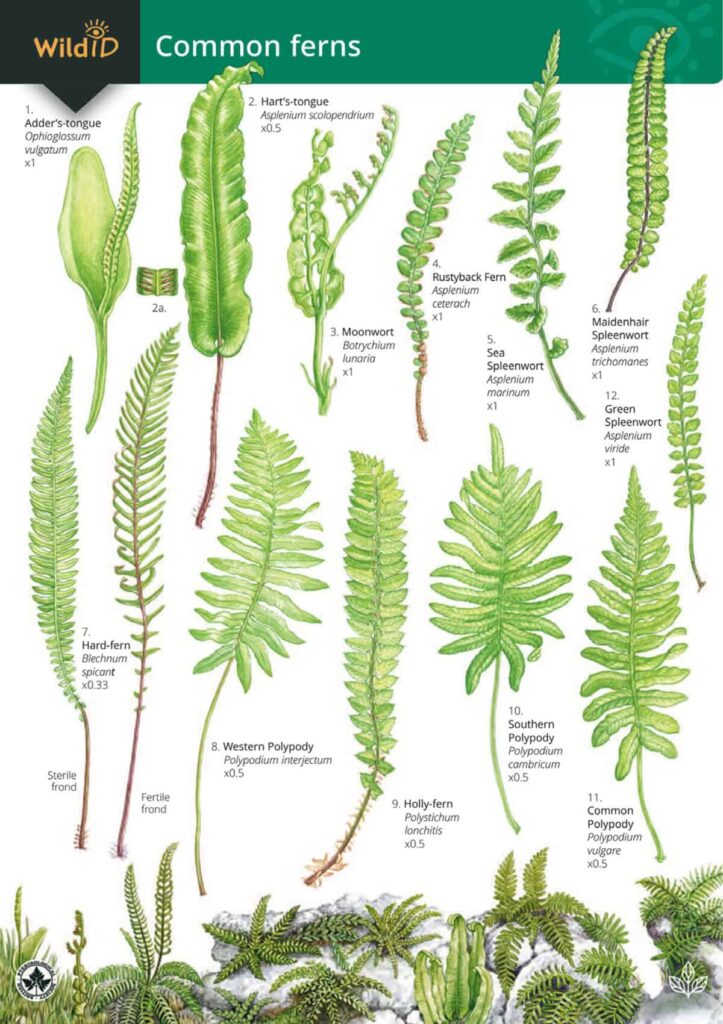
Ferns are a fascinating group of plants that have been around for millions of years. With over 11,000 species, they can be found in almost every corner of the globe, from tropical rainforests to temperate forests and even urban gardens. In this article, we’ll delve into the world of ferns, exploring their unique characteristics, properties, and uses.
Introduction
Ferns are a type of vascular plant that belongs to the category Pteridophyta. They have a distinctive body plan, featuring a stem (fusto), true roots, and leaves (frondes). What’s more, they have a complex vascular system, which allows them to transport water and nutrients throughout their bodies.
What are Ferns?
Ferns are a type of non-flowering plant that belongs to the category Pteridophyta. They have a unique body plan that consists of three main parts: the fusto (stem), frondes (leaves), and rhizome (underground stem). The fusto is the central part of the fern, and it’s usually long and slender. The frondes are the leaves of the fern, and they’re typically divided into two parts: the pinnae (or leaflets) and the ultimate fronds.
Ferns have a complex vascular system that allows them to transport water and nutrients throughout their bodies. This system consists of xylem and phloem vessels, which are responsible for transporting water and sugars between the roots and leaves. Ferns also have specialized structures called sporangia, which produce spores that can be dispersed by wind or water.
Types of Ferns
There are many different types of ferns, each with its unique characteristics. Some popular species include:
- Dryopteris filix-mas: The male fern, also known as the autumn fern, is a common species found in woodlands and forests.
- Pteridium aquilinum: The ostrich fern is another well-known species, characterized by its large, reddish-brown fronds.
- Nephrolepis exaltata: The Boston fern is a popular ornamental species, known for its lush, green fronds.
Properties and Uses
Ferns have been used for centuries in traditional medicine, folklore, and spirituality. Some of their properties include:
- Anti-inflammatory: Ferns contain compounds that can reduce inflammation and pain.
- Antimicrobial: Some ferns have antimicrobial properties, making them effective against certain types of bacteria and fungi.
- Vermifuge: Certain fern species have been used to repel or kill parasites, such as worms.
Ferns also have a range of other uses, including:
- Ornamental purposes: Many species of ferns are prized for their attractive fronds, which can add a touch of greenery to gardens and indoor spaces.
- Food sources: Some species of ferns are edible and can be used in salads or as a cooked vegetable.
Felce Koru: The Significance of the Fern’s Life Cycle
In Maori culture, the Koru is a symbol of new life, growth, and renewal. It represents the cyclical nature of life, where birth, growth, decay, and rebirth are all interconnected. This concept is reflected in the fern’s life cycle, which begins with spores and grows into a mature plant.
The fern’s life cycle can be divided into several stages:
- Spore formation: Ferns produce spores on their sporangia, which can be dispersed by wind or water.
- Germination: Spores germinate into small, rootless plants called prothalli.
- Prothallium development: Prothalli develop into mature ferns, producing fronds and roots.
- Maturity: Mature ferns produce spores, which are dispersed by wind or water to start the cycle again.
Felce Maschio: The Male Fern
The male fern (Dryopteris filix-mas) is one of the most common species found in woodlands and forests. Its fronds are long and narrow, with a distinctive shape that resembles a quiver full of arrows. The male fern has been used in traditional medicine for centuries, particularly in treating digestive issues.
The male fern’s fronds are also rich in nutrients, including calcium, magnesium, and potassium. These minerals can be beneficial for human health, particularly when taken as supplements or added to food products.
Felce Aquilina: The Ostrich Fern
The ostrich fern (Pteridium aquilinum) is another well-known species, characterized by its large, reddish-brown fronds. Its roots are robust and can grow up to 2 meters long, making it a popular choice for ornamental gardens.
The ostrich fern’s fronds are also rich in nutrients, including calcium, magnesium, and potassium. These minerals can be beneficial for human health, particularly when taken as supplements or added to food products.
Felce di Boston: The Boston Fern
The Boston fern (Nephrolepis exaltata) is a popular ornamental species, known for its lush, green fronds. It’s native to tropical regions but has been introduced to many parts of the world, where it’s often grown indoors or in shaded gardens.
The Boston fern’s fronds are also rich in nutrients, including calcium, magnesium, and potassium. These minerals can be beneficial for human health, particularly when taken as supplements or added to food products.
Felce Cycus: The Cycad Fern
The cycad fern (Cycas revoluta) is a unique species that combines elements of both ferns and palms. Its fronds are sword-shaped and can grow up to 2 meters long, making it a striking addition to any garden.
The cycad fern’s roots are also robust, growing up to 1 meter deep into the soil. This allows it to absorb water and nutrients from deeper layers of soil, making it more drought-resistant than other species.
Conclusion
Ferns are fascinating plants that have been around for millions of years. With their unique characteristics, properties, and uses, they offer a wealth of knowledge and inspiration for botanists, herbalists, and anyone interested in the natural world. Whether you’re looking for medicinal benefits or simply want to add some greenery to your garden, ferns are definitely worth exploring further.
Frequently Asked Questions
- What is the difference between ferns and mosses?
Ferns and mosses are both non-vascular plants, but they belong to different categories (Pteridophyta and Bryophyta, respectively). Ferns have true leaves and roots, while mosses are small, non-vascular plants that don’t produce seeds. - Can ferns be used as a natural remedy?
Yes, many species of ferns have been used in traditional medicine for centuries to treat various health issues. However, it’s essential to consult with a healthcare professional before using any plant-based remedies. - How do I care for a fern?
Ferns are relatively low-maintenance plants that prefer bright, indirect light and consistent moisture. Watering should be done carefully, as overwatering can lead to root rot. - Can I grow ferns indoors?
Yes, many species of ferns can thrive indoors with proper care and attention. Choose a well-draining potting mix and provide sufficient light, but avoid direct sunlight. - What is the difference between eusporangiate and leptosporangiate ferns?
Eusporangiate ferns have spores that are produced in sporangia, while leptosporangiate ferns have smaller spores that are produced in smaller sporangia. This distinction can be important for botanical classification and identification purposes.


