
Introduction
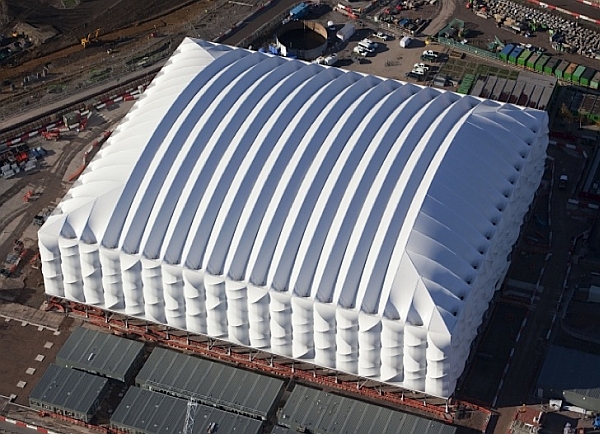
As I stand before the iconic Olympic Basketball Arena in London, I am reminded of the power of design and innovation in creating a sustainable legacy. This temporary stadium, designed by Wilkinson Eyre Architects, has become an exemplary model of eco-friendly architecture, showcasing the potential for sports venues to be both functional and environmentally conscious.
The Arena’s unique blend of form, function, and sustainability has garnered international attention, inspiring numerous articles, research papers, and even academic studies on its design principles and environmental impact. In this article, we will delve deeper into the design process, exploring the various sustainable features that have made this temporary structure an iconic representation of green architecture.
A Brief History of the Arena
Built specifically for the London 2012 Olympics, the Basketball Arena is one of the largest temporary structures in Olympic history. With a seating capacity of 12,000 for the Games and 10,000 for para-olympic events, this massive stadium was designed to be a hub for excitement and athleticism.
However, the Arena’s creation is also closely tied to the broader context of sustainability. The London 2012 Olympics were held under the motto “Get Set for Green,” emphasizing the importance of environmental responsibility throughout all aspects of the Games.
Sustainability as the Key Factor
What sets this arena apart from other sports venues is its emphasis on sustainability. The designers recognized that even temporary structures can have a lasting impact on the environment if not built with eco-friendly materials. By prioritizing recyclable materials and minimizing waste, the Arena’s creators set a new standard for sustainable design.
The development of green architecture has long been a topic of discussion among architects, engineers, and policymakers. However, it was only in recent years that sustainability began to gain mainstream attention, driving innovation and growth in various industries.
Designing for Maximum Impact
So, how did they achieve this? Let’s take a closer look at the design process. The Arena’s framework is made from 20,000 square meters of lightweight, plastic-reinforced panels, which are not only recyclable but also reduce waste and minimize environmental impact.
The use of such innovative materials was made possible through advancements in materials science, particularly in the field of composite materials. These new materials have opened up numerous possibilities for sustainable design, enabling architects to create structures that are both functional and eco-friendly.
The Intersection of Steel and Sustainability
One of the most fascinating aspects of the Arena’s design is the interaction between its steel framework and sustainable exterior panels. By carefully balancing form and function, the architects created a unique visual effect – as if the panels were undulating and dancing in the light.
This synergy not only enhances the aesthetic experience but also helps to distribute sunlight evenly throughout the stadium, reducing the need for artificial lighting. The Arena’s designers have effectively harnessed the potential of natural light to create a more sustainable and energy-efficient environment.
A Theatrical Experience
Imagine attending an event under this stunning dome, where natural light pours in during the day and creates a magical atmosphere at night. It’s like witnessing a concert or theater performance – the Arena has truly become a venue that transcends its purpose as a sports stadium.
The design of the Arena is more than just functional; it also provides an immersive experience for spectators. By incorporating various elements, such as natural light, ventilation systems, and acoustic design, the architects have created a space that is both visually stunning and acoustically pleasing.
Modular Design for Easy Repurposing
Another innovative aspect of the Arena’s design is its modular structure. This allows components to be easily disassembled and reused, ensuring that at least two-thirds of the materials used will be recycled after the event.
The use of modular design also enables future reuse and repurposing of the Arena, reducing waste and environmental impact in the long run. This forward-thinking approach has set a new standard for sustainable sports venue design, demonstrating the potential for temporary structures to become lasting icons of green architecture.
Breakthroughs in Materials Science
To achieve this level of sustainability, scientists have been working tirelessly to develop new materials that are both durable and environmentally friendly. The Arena’s innovative use of plastic-reinforced panels represents a significant breakthrough in materials science, offering a viable solution for future construction projects.
The development of such advanced materials has been made possible through collaborative research between industries, universities, and governments. By sharing knowledge and expertise, researchers have been able to push the boundaries of what is thought possible in terms of sustainable design.
Conclusion
The Olympic Basketball Arena is an exemplary model of sustainable design, demonstrating how sports venues can be both functional and eco-friendly. By prioritizing recyclable materials and minimizing waste, this iconic structure has set a new standard for environmental responsibility in the sports industry.
As we continue to strive towards a more sustainable future, the lessons learned from this groundbreaking project will undoubtedly inspire innovative designs that benefit our planet. The Arena’s success serves as a testament to the power of design and innovation in creating lasting change, highlighting the importance of sustainability in all aspects of construction projects.
FAQs
-
What inspired the designers of the Arena to prioritize sustainability?
The designers recognized the importance of minimizing waste and environmental impact in their work. -
How did the Arena’s framework contribute to its overall design?
The steel framework provided a structural foundation for the Arena, while also allowing for creative freedom in terms of exterior panel design. -
What innovations in materials science contributed to the Arena’s sustainability?
The use of plastic-reinforced panels represents a significant breakthrough in materials science, offering a durable and eco-friendly solution. -
How will the Arena be repurposed after the Olympics?
At least two-thirds of the materials used for the Arena will be recycled or reused. -
What are some lessons that can be applied to future construction projects from the design of the Olympic Basketball Arena?
-
Can temporary structures like the Arena ever truly go green?
-
How does the Arena’s emphasis on sustainability impact its environmental footprint during use?
-
Will we see more sports venues adopting sustainable design principles in the future?


