
The Benefits of Solidago: A Comprehensive Guide to its Characteristics, Properties, and Cultivation
As we navigate the complexities of modern life, it’s easy to overlook the simple wonders that surround us. One such wonder is the humble Solidago plant, a perennial herb native to North America known for its numerous health benefits and versatility in cultivation. In this article, we’ll delve into the world of Solidago, exploring its characteristics, properties, and cultivation techniques to help you harness its full potential.
Physical Characteristics of Solidago
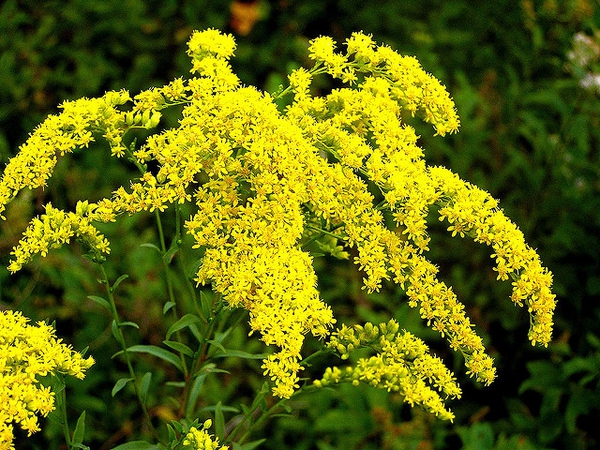
Solidago is a versatile plant that can grow up to 1.5 meters tall, with varying levels of height depending on the species and environmental conditions. Its leaves are lanceolate or elliptical in shape, featuring serrated margins and a rich green color, while its yellow flowers are arranged in clusters. The Solidago’s root system is fibrous, with most of its roots developing in the upper layer of soil. This adaptability allows it to thrive in sunny locations, commonly found in grasslands, meadows, roadsides, and slopes.
While it can tolerate a range of soils, it prefers well-drained terrain. The plant’s growth habit is characterized by a dense, upright stem with leaves that are often arranged alternately on the stem. This arrangement provides excellent protection for the delicate flowers from wind and debris.
Properties of Solidago
Solidago is renowned for its diuretic properties, which aid in reducing water retention and promoting urination, ultimately benefiting kidney function and waste removal. Additionally, it contains flavonoids, polyphenols, and other compounds with anti-inflammatory and antioxidant effects, making it an excellent natural remedy.
Some research suggests that Solidago may possess antimicrobial properties, although more studies are needed to confirm this. Its depurative effect can also help eliminate toxins accumulated in the body. The plant’s ability to reduce inflammation and promote healing makes it a valuable addition to any herbal medicine cabinet.
Cultivating Solidago
To cultivate a healthy Solidago plant, choose a sunny location with well-drained soil. It’s essential to ensure adequate moisture during its establishment phase. Regular watering is necessary during this period. Applying a balanced fertilizer during the growing season will provide additional nutrients for optimal growth.
Additionally, using mulch can help maintain soil moisture, suppress weeds, and protect roots from frost damage. Pruning the spent flower stalks after blooming can promote healthy growth and maintain an attractive appearance.
Replicating Solidago
Solidago can be replicated through seed germination or division of established plants. Seeds typically require several weeks to months for germination, so consistent moisture during this period is crucial. Once seedlings have developed sufficiently, they can be transplanted into garden beds or pots.
Division in spring or autumn works well when the plant is dormant. This method allows for a more efficient and controlled propagation process, as it minimizes the risk of contamination and ensures that the new plants are genetically identical to the parent plant.
Fioritura del Solidago
Solidago begins blooming around mid-summer (July-August), and its flowering season may extend until autumn (October). The small, star-shaped flowers have yellow petals with varying intensity, often featuring a golden hue. These flowers attract pollinators, contributing to the preservation of our ecosystem.
In herbal medicine, Solidago is commonly known as “Golden Broom” or “Solidago virga-aurea”. This name reflects the plant’s bright yellow color and its use in traditional remedies for various health issues.
Controindicazioni del Solidago
While generally safe, some individuals may experience allergic reactions after consuming Solidago products. Additionally, Solidago can interact with certain medications, such as diuretic drugs or blood pressure regulators.
Women in pregnancy or breastfeeding should avoid using Solidago due to the lack of scientific studies confirming its safety during these critical periods. Before utilizing Solidago for therapeutic purposes, consult a healthcare professional for personalized guidance.
Conclusion
Solidago is an impressive plant offering numerous health benefits and versatility in cultivation. By understanding its characteristics, properties, and cultivation techniques, you can unlock its full potential and appreciate the simple wonders of nature.
Whether you’re a seasoned herbalist or just starting to explore the world of natural remedies, Solidago is definitely worth considering. With its bright yellow flowers, attractive foliage, and impressive health benefits, it’s no wonder that this plant has been used for centuries in traditional medicine.
If you have any questions or concerns about Solidago, feel free to ask!
FAQs:
- What are the typical uses of Solidago?
Solidago is used for its diuretic, anti-inflammatory, and antioxidant properties. It can be consumed as a tea, tincture, or supplement, and can also be applied topically for skin issues.
- Is Solidago safe for consumption?
In moderation, Solidago is generally considered safe. However, some individuals may experience allergic reactions or interact with medications.
- Can Solidago be grown in shade?
While Solidago prefers sunlight, it can tolerate partial shade under certain conditions. However, it’s essential to ensure that the plant receives adequate light to maintain its optimal growth and health.
- How often should I water my Solidago plant?
Consistent moisture during the establishment phase is crucial. Watering once a week during the growing season may suffice.
- What are the best times to harvest Solidago?
Harvest after blooming, when the flower stalks have wilted and dried. This will ensure maximum potency and minimize waste.
- Can I propagate Solidago using division?
Yes, dividing established plants in spring or autumn works well when the plant is dormant.
- How long does it take for Solidago seeds to germinate?
Germination can take several weeks to months, depending on environmental conditions.
- Is there any risk of contamination associated with Solidago cultivation?
While rare, contamination can occur if proper hygiene and sanitation procedures are not followed. Regularly cleaning tools, surfaces, and equipment will minimize this risk.
- Can I use Solidago for medicinal purposes while pregnant or breastfeeding?
Women should avoid using Solidago due to the lack of scientific studies confirming its safety during these critical periods. Consult a healthcare professional before utilizing Solidago for therapeutic purposes.
- What are some potential side effects of consuming Solidago?
While rare, allergic reactions can occur in individuals who consume Solidago products. Additionally, interactions with certain medications should be considered when using this plant for medicinal purposes.


