
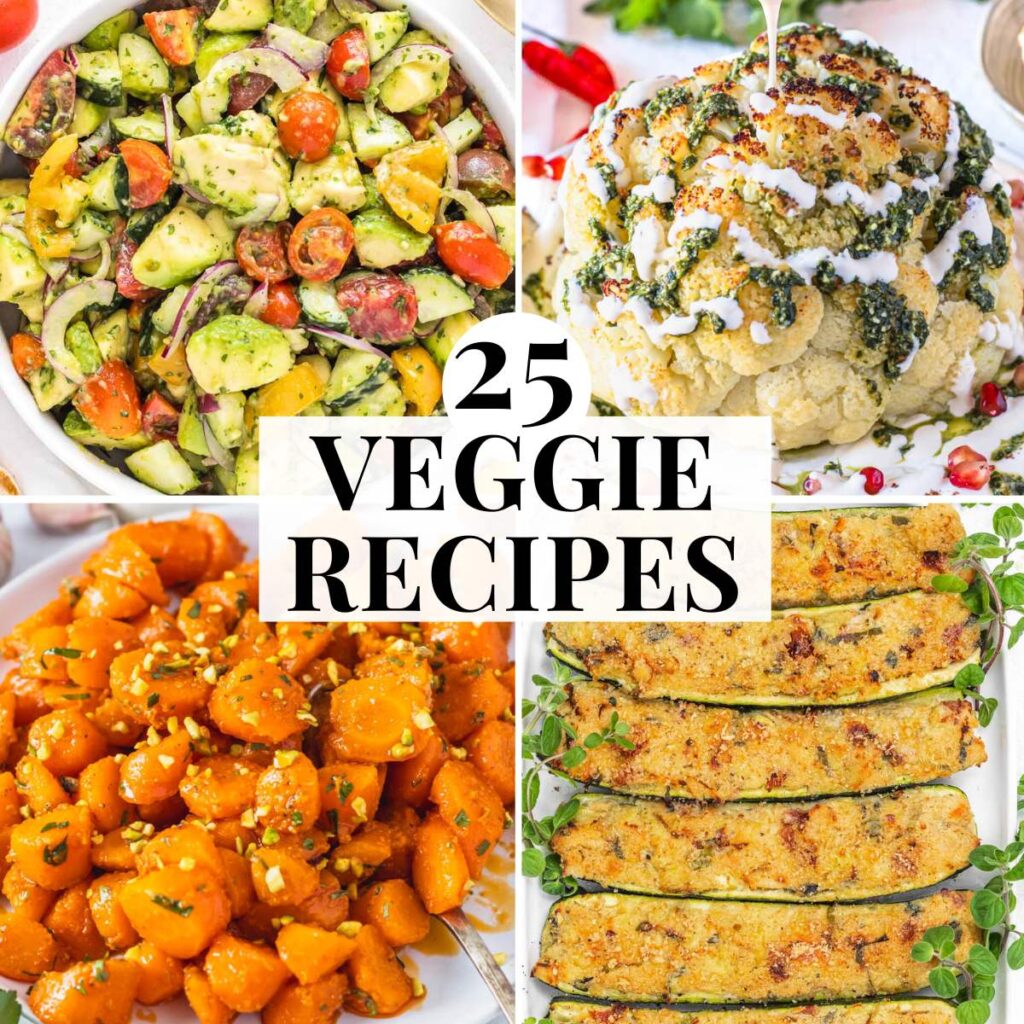
As the beautiful season arrives, our tables are filled with an abundance of fresh and delicious vegetables. Zucchini, eggplants, and bell peppers are just a few examples of the versatility that these vegetables bring to the table. But did you know that cooking with vegetables can be not only healthy but also incredibly flavorful? In this article, we’ll explore the wonderful world of vegetable cuisine, covering topics such as cooking methods, nutritional benefits, and some delicious recipe suggestions.
The Benefits of Cooking with Vegetables
Before we dive into the culinary delights of vegetables, let’s talk about why they’re so beneficial for our health. Cooking with vegetables is a great way to unlock their full nutritional potential. When cooked properly, vegetables become soft, tender, and bursting with flavor. By preserving these natural properties, we can reap the rewards of a balanced diet.
Choosing the Right Vegetables
When it comes to selecting the freshest and best-tasting vegetables, there’s more to consider than just taste. Where do you buy your veggies? Opting for organic or locally sourced produce is a great way to ensure that you’re getting the highest quality ingredients. Some vegetables, like leafy greens and cruciferous vegetables (such as broccoli, cauliflower, and kale), are particularly high in nutritional value.
Cooking Methods: Exploring the Options
So, what’s the best way to cook with vegetables? Well, there are several methods that can help bring out their natural flavors. Here are a few of our favorites:
- Steaming: Steaming is an excellent way to preserve the nutrients and flavor of your veggies. Simply place them in a steamer basket and steam for 5-10 minutes.
- Roasting: Roasting vegetables in the oven brings out their natural sweetness and depth of flavor. Preheat your oven to 425°F (220°C) and toss your veggies with some olive oil, salt, and pepper before roasting for 20-30 minutes.
- Grilling: Grilling is a great way to add smoky flavor to your vegetables. Brush them with olive oil, season with salt and pepper, and grill for 5-10 minutes per side.
Some Delicious Vegetable Recipes
Now that we’ve covered the basics of cooking with vegetables, let’s dive into some delicious recipe suggestions:
- Roasted Vegetable Soup: This hearty soup is made by roasting a variety of vegetables (such as carrots, celery, and onions) in the oven before blending them into a flavorful broth.
- Grilled Vegetable Skewers: Alternate vegetables like cherry tomatoes, mushrooms, and bell peppers on skewers and grill until tender.
- Steamed Broccoli with Lemon: Steam broccoli florets until tender, then serve with a squeeze of lemon juice and a sprinkle of salt.
Nutritional Benefits: The Power of Chlorophyll
Chlorophyll is the green pigment found in plants that helps us absorb sunlight for photosynthesis. But did you know that it also has incredible health benefits? Some of the key properties of chlorophyll include:
- Antioxidant Properties: Chlorophyll has powerful antioxidant properties that can help protect against cell damage and inflammation.
- Detoxification: Chlorophyll helps to remove toxins from the body by binding to heavy metals like mercury and lead.
Understanding the Color of Vegetables
When it comes to cooking with vegetables, understanding their color is key. Different colors correspond to different nutrients and health benefits:
- Green: Leafy greens and cruciferous vegetables are high in antioxidants and have anti-inflammatory properties.
- Red: Bell peppers and tomatoes are rich in lycopene, an antioxidant that has been linked to several health benefits.
- Yellow: Yellow squash and corn are high in vitamin C and beta-carotene, which convert to vitamin A in the body.
The Benefits of Cooking Vegetables
By cooking vegetables correctly, we can unlock their full nutritional potential. Here are some of the key benefits:
- Boosts Immune System: Cooking vegetables with garlic can enhance the immune-boosting properties of these foods.
- Improves Digestion: Steaming or roasting vegetables can help break down cell walls, making them easier to digest.
- Enhances Nutrient Absorption: Cooking vegetables can increase their bioavailability by releasing nutrients from plant cells.
Tips for Choosing the Best Vegetables
When selecting fresh produce, consider the following tips:
- Check for Color and Texture: Fresh vegetables should be vibrant in color and firm to the touch.
- Look for Stems and Leaves: Make sure the stem is dry and not wilted.
- Avoid Mushy or Soft Spots: These can indicate spoilage.
Growing Your Own Vegetables
Growing your own vegetables at home is a great way to have access to fresh produce while also connecting with nature. Here are some tips for getting started:
- Choose the Right Climate: Select varieties that thrive in your local climate.
- Prepare the Soil: Test your soil pH and adjust it if necessary, then add organic matter like compost.
- Provide Adequate Sunlight: Most vegetables need at least six hours of direct sunlight per day.
Conclusion
In conclusion, cooking with vegetables is a great way to unlock their full nutritional potential. By exploring different cooking methods, understanding the color of vegetables, and following tips for choosing the best produce, you can create delicious and healthy meals that will nourish your body and satisfy your taste buds. So go ahead, get creative in the kitchen, and indulge in the wonderful world of vegetable cuisine!
Frequently Asked Questions
- What is the best way to cook vegetables?
There are several ways to cook vegetables, depending on your personal preference. Steaming, roasting, grilling, and sautéing are all popular methods. - Why choose organic or locally sourced produce?
Opting for organic or locally sourced produce ensures that you’re getting the highest quality ingredients while also supporting sustainable agriculture practices. - Can I cook vegetables without oil?
Yes, it is possible to cook vegetables without oil. Simply add a small amount of water or broth to the pan and cook over low heat with a lid to prevent moisture loss. - What are some nutritional benefits of chlorophyll?
Chlorophyll has powerful antioxidant properties that can help protect against cell damage and inflammation, as well as assist in detoxification by binding to heavy metals like mercury and lead. - Can I grow my own vegetables at home?
Yes, growing your own vegetables at home is a great way to have access to fresh produce while also connecting with nature.


