
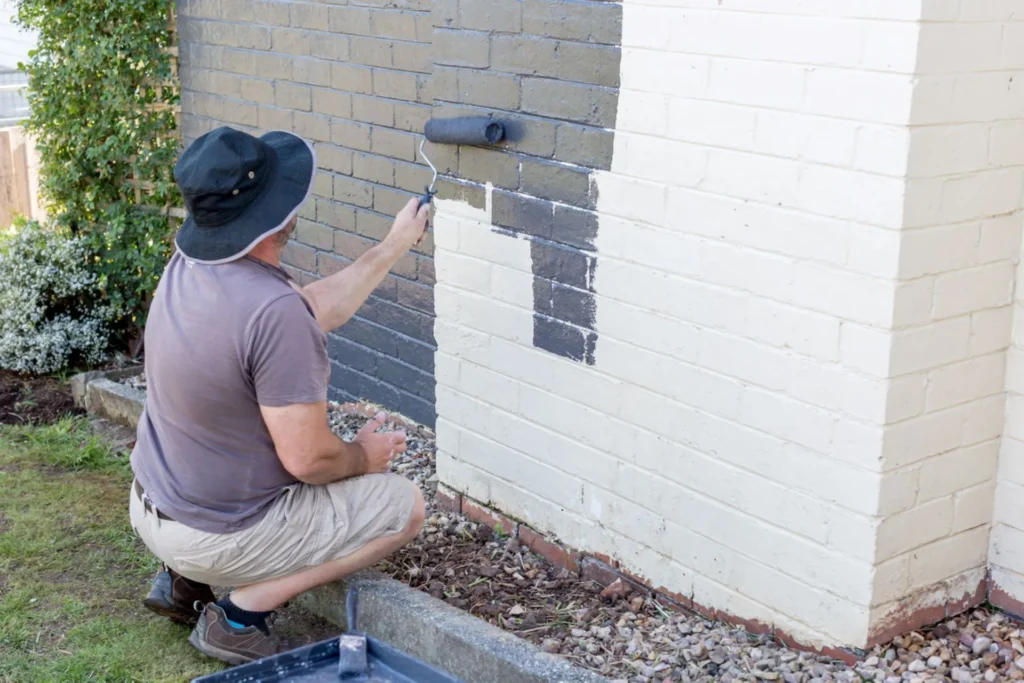
Introduction to the Concept of Solar Paint
Imagine a world where buildings can generate their own electricity without the need for traditional solar panels. This is made possible by a revolutionary new technology called “solar paint” that converts sunlight into energy. In this article, we will explore the concept of solar paint and its potential applications.
The Science Behind Solar Paint
Solar paint works by using a special mixture of materials to create a conductive layer on a surface. This layer can be applied directly onto a building or any other material that can withstand it. The mixture is made up of tiny particles that absorb sunlight and generate electricity when exposed to light.
The Development of Solar Paint
A team of researchers at the CSIRO, Australia’s national research agency, has developed an innovative new technology for solar paint. This technology uses a unique combination of materials to create a conductive layer that is both efficient and cost-effective.
Key Characteristics of Solar Paint
- High Efficiency: Solar paint can convert sunlight into electricity with a high level of efficiency.
- Cost-Effective: Solar paint eliminates the need for expensive materials like silicon, making it more affordable than traditional solar panels.
- Aesthetically Pleasing: Solar paint can be applied to any surface, making it an attractive option for building owners and architects.
Applications of Solar Paint
Solar paint has a wide range of potential applications, including:
- Building Envelopes: Solar paint can be used to cover entire buildings, generating electricity while also providing insulation and reducing energy costs.
- Vehicles: Solar paint can be applied to cars and other vehicles, extending their driving range and reducing greenhouse gas emissions.
- Consumer Products: Solar paint can be used to create new products like solar-powered smartphones and laptops.
Benefits of Solar Paint
The use of solar paint offers several benefits, including:
- Reduced Energy Costs: Solar paint can generate electricity at a lower cost than traditional solar panels.
- Increased Energy Independence: Solar paint allows individuals and communities to generate their own energy, reducing reliance on the grid.
- Environmental Benefits: Solar paint reduces greenhouse gas emissions and minimizes waste.
Challenges and Limitations
While solar paint shows great promise, there are still several challenges and limitations that need to be addressed. These include:
- Scalability: Solar paint needs to be scaled up to meet the demands of a growing energy market.
- Cost Reduction: While solar paint is currently more expensive than traditional solar panels, costs need to be reduced for it to become a viable option.
Future Developments
The future of solar paint holds great promise. Researchers are working on improving its efficiency and reducing its cost. Additionally, new applications for solar paint are being explored, such as in the development of smart windows and self-healing materials.
Real-World Examples
There are several real-world examples of solar paint being used in various applications. For example:
- The Solar Roof: Tesla’s solar roof is a revolutionary new product that uses solar paint to generate electricity from sunlight.
- The Eco-Friendly Building: A recent development project in Australia has used solar paint to cover an entire building, generating electricity while also reducing energy costs.
Conclusion
Solar paint is a revolutionary new technology that has the potential to transform the way we generate and consume energy. With its high efficiency, cost-effectiveness, and aesthetic appeal, solar paint offers a promising solution for reducing our reliance on fossil fuels and minimizing waste. While there are still challenges to be addressed, the future of solar paint looks bright.
Frequently Asked Questions
Q: What is solar paint?
A: Solar paint is a revolutionary new technology that converts sunlight into electricity using a special mixture of materials.
Q: How does solar paint work?
A: Solar paint works by creating a conductive layer on a surface, which absorbs sunlight and generates electricity when exposed to light.
Q: Is solar paint more expensive than traditional solar panels?
A: While solar paint is currently more expensive than traditional solar panels, costs need to be reduced for it to become a viable option.
Q: What are the potential applications of solar paint?
A: Solar paint has a wide range of potential applications, including building envelopes, vehicles, and consumer products.
Q: How can I get started with solar paint?
A: To get started with solar paint, you need to be in touch with its developers or manufacturers. They will provide you with more information about the technology and how it works.
Innovative Materials Used in Solar Paint
Solar paint uses a variety of innovative materials, including:
- Conductive Nanoparticles: These tiny particles are used to create a conductive layer on a surface.
- Graphene: This lightweight and flexible material is being explored for its potential use in solar paint.
- Dye-Sensitized Solar Cells (DSSCs): DSSCs are a type of solar cell that uses a dye to generate electricity.
The Future of Energy Generation
Solar paint has the potential to revolutionize the way we generate energy. It offers a cleaner, more efficient alternative to traditional fossil fuels. As technology continues to evolve, we can expect to see even more innovative applications for solar paint.
Case Studies: Real-World Examples of Solar Paint
There are several real-world examples of solar paint being used in various applications. Here are a few case studies:
- Solar-Powered Homes: In Japan, researchers have developed a system that uses solar paint to generate electricity for homes.
- Smart Windows: Researchers at the University of California have developed smart windows that use solar paint to generate electricity while also controlling light transmission.
Conclusion
Solar paint is a revolutionary new technology that has the potential to transform the way we generate and consume energy. With its high efficiency, cost-effectiveness, and aesthetic appeal, solar paint offers a promising solution for reducing our reliance on fossil fuels and minimizing waste. While there are still challenges to be addressed, the future of solar paint looks bright.
Recommendations
If you’re interested in learning more about solar paint or exploring its potential applications, we recommend:
- Contacting the Developers: Reach out to the developers of solar paint to learn more about their technology and how it works.
- Conducting Research: Conduct research on the latest developments in solar paint and explore its potential applications.
References
If you’re looking for more information on solar paint, here are some references:
- CSIRO Research: The CSIRO has conducted extensive research on solar paint and its potential applications.
- Scientific Studies: There have been several scientific studies published on the performance and efficiency of solar paint.
Disclaimer
The information provided in this article is for educational purposes only. While solar paint shows great promise, it’s still a developing technology. Be sure to consult with experts before making any decisions or investing in solar paint.


