
The world of home energy systems is constantly evolving, and Panasonic’s latest innovation, the Ene-Farm, is poised to disrupt the status quo. This cutting-edge system harnesses the power of a combustible cell to produce electricity while also generating heat, making it an eco-friendly alternative to traditional heating solutions.
What is Ene-Farm?
Ene-Farm is a domestic cogeneration system that uses a chemical reaction between atmospheric oxygen and hydrogen extracted from city gas to generate electricity. The first version of the system was launched in 2009 by Panasonic in collaboration with Tokyo Gas, but the latest iteration boasts significant improvements.
A Closer Look at the New Ene-Farm
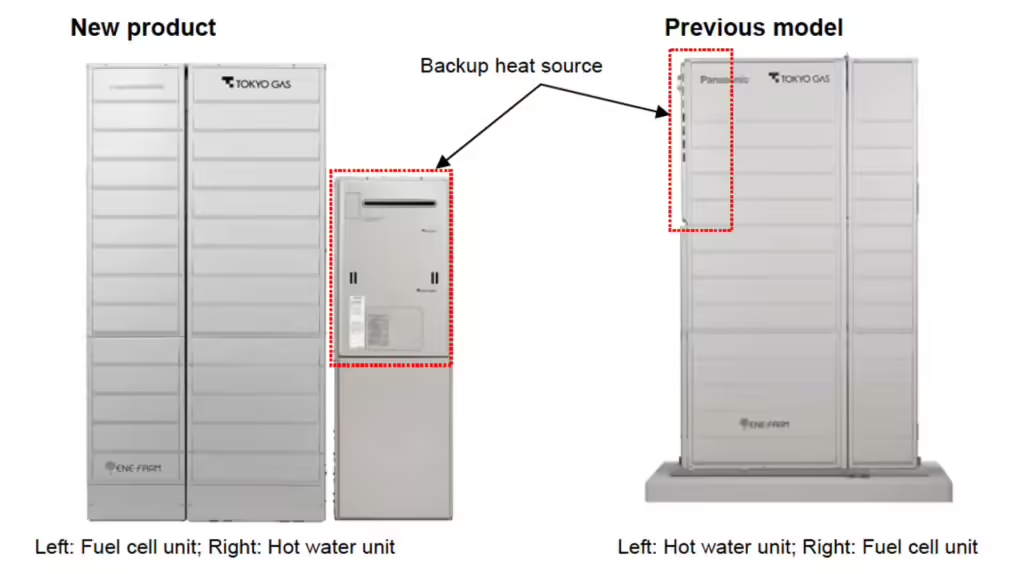
The new Ene-Farm features an advanced boiler design that heats water stored in a separate tank, rather than relying on the same boiler used for heating. This innovation enables the system to achieve an impressive 95% efficiency rate (LHV – Lower Heating Value), making it the most efficient system available worldwide.
Eco-Sustainability: The Heart of Ene-Farm
What sets Ene-Farm apart is its exceptional eco-sustainability. By generating electricity and heat in the same location, there are no energy losses due to transportation, and the entire heat generated by electricity production can be utilized. This not only reduces carbon emissions but also minimizes waste.
Comparing Ene-Farm to Traditional Methods
Compared to conventional heating methods that rely on electricity from a central power plant and city gas, Ene-Farm significantly reduces energy consumption (37%) and CO2 emissions (49%). These impressive statistics demonstrate the impact that innovative systems like Ene-Farm can have on our environment.
Panasonic’s Commitment to Expansion
Since its launch in May 2009, Panasonic has distributed over 21,000 units of Ene-Farm across Japan. In anticipation of a 50% increase in production for the fiscal year 2013, the company is preparing to distribute over 15,000 units.
Streamlining the System: A Brighter Future
Following simplification efforts, the new Ene-Farm boasts 20% fewer components than its predecessor. This includes revised stack generation of electricity and a more efficient combustible processor. The smaller water storage tank also contributes to this reduction. As a result, the system can now be sold at a lower price point (1,995,000 yen) compared to the previous model.
A New Era for Home Energy
With its impressive efficiency rates, eco-friendliness, and reduced costs, Ene-Farm is poised to revolutionize home energy systems. Panasonic’s latest innovation offers an attractive alternative to traditional heating solutions, making it a worthwhile investment for those seeking a more sustainable lifestyle.
Frequently Asked Questions (FAQs)
- Q: How does the new Ene-Farm system work?
A: The new Ene-Farm system utilizes a combustible cell to generate electricity while also producing heat. This process is powered by atmospheric oxygen and hydrogen extracted from city gas. - Q: What are the benefits of using an eco-friendly home energy system like Ene-Farm?
A: Using an eco-friendly system like Ene-Farm reduces carbon emissions, minimizes waste, and provides a sustainable alternative to traditional heating methods. - Q: How does the new Ene-Farm compare in terms of efficiency to previous models?
A: The new Ene-Farm achieves an impressive 95% efficiency rate (LHV – Lower Heating Value), making it the most efficient system available worldwide. - Q: What are the long-term implications of adopting an eco-friendly home energy system like Ene-Farm?
A: Adopting an eco-friendly system like Ene-Farm contributes to a more sustainable lifestyle, reduces carbon emissions, and helps mitigate climate change.
Conclusion
The latest innovation from Panasonic, the new Ene-Farm, is set to revolutionize the world of home energy systems. With its impressive efficiency rates, eco-friendliness, and reduced costs, this cutting-edge system offers an attractive alternative to traditional heating solutions. As we move forward in our pursuit of sustainability, innovative systems like Ene-Farm will play a crucial role in shaping our future.
Implementation Strategies for Homeowners
To fully benefit from the new Ene-Farm system, homeowners should consider the following implementation strategies:
- Assessment and Planning: Conduct an assessment of your home’s energy needs and plan how to integrate the Ene-Farm system into your existing infrastructure.
- Installation and Maintenance: Ensure that the installation process is carried out by a certified professional and follow regular maintenance schedules to maximize efficiency and lifespan.
- Training and Support: Provide comprehensive training to users on the safe operation and maintenance of the system, as well as ongoing support from Panasonic’s customer service team.
- Energy Auditing: Conduct energy audits to identify areas for improvement in your home’s energy usage and optimize the Ene-Farm system’s performance.
Challenges and Opportunities
While the new Ene-Farm system presents numerous benefits, there are also challenges that need to be addressed:
- Scalability: As demand for eco-friendly systems increases, manufacturers must scale up production while maintaining quality standards.
- Regulatory Frameworks: Governments should establish clear regulations and incentives to support the adoption of Ene-Farm systems and other innovative home energy solutions.
- Public Awareness: Educating consumers about the benefits and limitations of Ene-Farm systems is essential for widespread adoption.
- Integration with Existing Infrastructure: Developers must consider how Ene-Farm systems will integrate with existing infrastructure, such as power grids and transportation networks.
By addressing these challenges and opportunities, we can unlock the full potential of innovative home energy solutions like Ene-Farm, contributing to a more sustainable future for generations to come.


