
Introduction
The world is facing a crisis that threatens the very survival of our planet. According to a recent report by the United Nations, one million species are at risk of extinction. The alarming trend is attributed to human activities that have devastating consequences on the environment. This issue is not only an environmental concern but also a human one, as it highlights the interconnectedness of our well-being and the health of our planet.
The Human Handprint on the Environment
Human activities have been accelerating at an unprecedented rate, leading to an unprecedented level of ecological degradation. Deforestation, intensive development, overfishing, pollution, hunting, and climate change are just a few of the causes driving this ecological crisis. The effects of these activities are far-reaching and have severe consequences for both humans and the environment.
The loss of biodiversity is not only devastating for ecosystems but also has significant economic implications. A study by the Intergovernmental Science-Policy Platform on Biodiversity and Ecosystem Services (IPBES) estimated that the current rate of species extinctions could lead to a decline in ecosystem services, resulting in losses of up to $27 trillion annually by 2050.
The Global Assessment Report
On May 6, the “Summary for Policy Makers” report was released in Paris, which serves as a precursor to the comprehensive report on biodiversity and ecosystem services. This document is based on over 15,000 scientific and government sources and has been written by experts from more than 50 countries.
The report highlights the urgent need for action to address the current biodiversity crisis. It emphasizes that the loss of species and ecosystems will not only have devastating environmental consequences but also undermine human well-being and economic stability.
The Data Speaks Volumes
The data collected is alarming, with some forests experiencing a significant decline in insect populations. Oceans are struggling due to human impact, with plastic pollution, overfishing, and acidification posing the greatest threats. The cumulative effect of these causes is depleting marine habitats, leading to a lack of life and only greenish sludge remaining.
The report notes that coral reefs alone have already lost 30% of their habitat in the past few decades due to human activities such as climate change, overfishing, and pollution. This not only affects biodiversity but also has significant economic implications for industries such as tourism and fishing.
Land Use and Resource Allocation
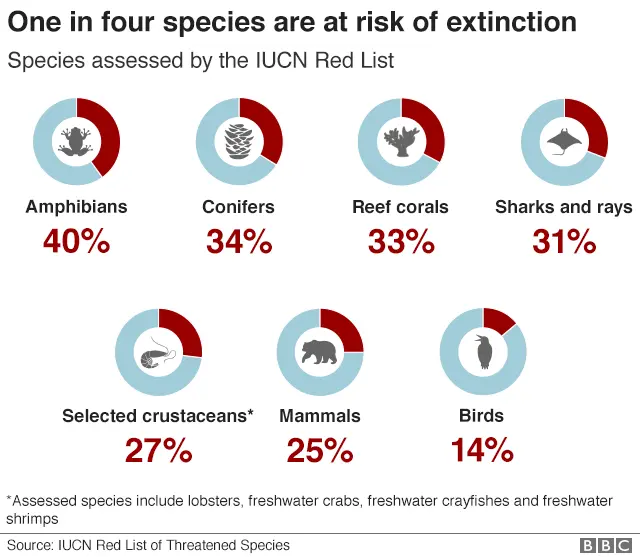
The transformation of our environment has had a profound impact. Three-quarters of the Earth’s land surface has been significantly altered, with over 75% of freshwater resources now dedicated to agriculture or livestock production. Over 40% of amphibians, 33% of corals, and over 30% of marine mammals are at risk of extinction.
The report highlights the need for a fundamental shift in how we manage our natural resources. It emphasizes that sustainable land use practices, such as agroforestry and permaculture, can help reduce deforestation and promote biodiversity conservation.
The Italian Biodiversity Crisis
Italy is not immune to this crisis. According to the WWF, at least five species are threatened with extinction due to climate change and poaching. These include the Marsican brown bear, Bonelli’s eagle, gipeto, Eolie skink, and capercaillie.
The Lipu Association notes that 50% of common bird species in Italy, including swallows, sparrows, and larks, are currently declining. This not only highlights the need for conservation efforts but also underscores the importance of sustainable land use practices to protect Italian biodiversity.
A Call to Action
The UN report is another stark warning for a planet on the brink of collapse. The time for collective responsibility has never been more urgent: either now or forever. Immediate action is required to address this crisis, including reducing carbon emissions, implementing sustainable land use practices, and protecting natural habitats.
We must work together to create a world where biodiversity is valued and protected. This requires a fundamental shift in how we live our lives and interact with the environment. We need to recognize that our actions have consequences for both humans and the environment and take responsibility for our impact on the planet.
Frequently Asked Questions
- What are the main causes of species extinction?
The report highlights deforestation, intensive development, overfishing, pollution, hunting, and climate change as the primary drivers of biodiversity loss. - How many species are at risk of extinction globally?
According to the report, one million species are threatened with extinction due to human activities. - What is the impact on marine ecosystems?
The report notes that oceans are suffering significantly due to human impact, including plastic pollution, overfishing, and acidification, which are depleting marine habitats. - How much of the Earth’s land surface has been altered?
Three-quarters of the Earth’s land surface has been significantly modified, with a significant portion dedicated to agriculture or livestock production. - What is the current state of biodiversity in Italy?
At least five species are threatened with extinction due to climate change and poaching, according to the WWF. - How does the loss of biodiversity affect humans?
The report emphasizes that the loss of biodiversity has severe consequences for both humans and the environment, underscoring the need for collective responsibility. - What can be done to address this crisis?
Immediate action is required to address this crisis, including reducing carbon emissions, implementing sustainable land use practices, and protecting natural habitats. - Is it too late to prevent extinction?
The report highlights that it is not too late to take action and prevent further extinctions, emphasizing the need for urgent collective responsibility.
Conclusion
The loss of biodiversity is a pressing issue that requires immediate attention and action. The UN report serves as a stark warning for a planet on the brink of collapse. We must recognize the interconnectedness of our well-being and the health of our planet and take responsibility for our impact on the environment.
By working together, we can create a world where biodiversity is valued and protected. This requires a fundamental shift in how we live our lives and interact with the environment. We need to prioritize sustainability, conservation, and environmental protection to ensure the long-term health of our planet.
The future of our planet depends on our ability to work together and make positive changes. We owe it to ourselves, our children, and future generations to take action and protect biodiversity. The time for collective responsibility has never been more urgent: either now or forever.


