
As the seasons change, many fresh seasonal fruits and vegetables become available again. However, it’s worth noting that most are still available at supermarkets throughout the year. But why settle for ordinary produce when you can have genuine, economical, and environmentally friendly options? In this article, we’ll explore the best ways to buy seasonal fruit and vegetables, and what makes them so special.
Why Buy Seasonal Fruit and Vegetables?
When it comes to buying fruit and vegetables, there are several reasons why opting for seasonal produce is a great idea. Firstly, it’s more genuine – you’re getting fresh produce that’s ripe and ready to eat. Secondly, it’s often more economical than buying out-of-season produce. And thirdly, it has a lower environmental impact than transporting large quantities of fruit and vegetables from other parts of the world.
What Makes Organic Fruit and Vegetables “In Season”?
So, why are organic fruits and vegetables considered in season? The answer lies in the fact that organic farming regulations prohibit the use of preservatives. This means that these produce are always available during the growing season, regardless of the time of year.
Seasonal Fresh Fruit and Vegetables: A Year-Round Guide
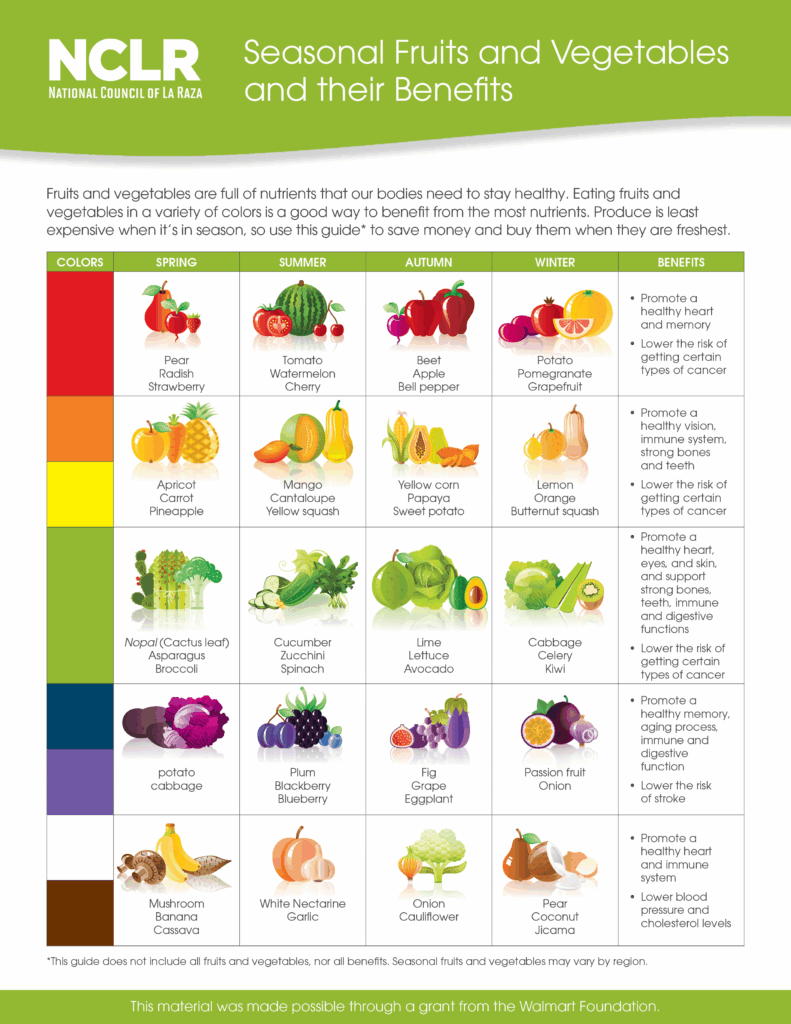
Here’s a breakdown of the best seasonal fruits and vegetables to buy at different times of the year:
Summer Fruits and Vegetables
- Zucchini (May-September)
- Fagioli and fagiolini (May-September)
- Pomodoro (June-October)
- Ciliegie (May-July)
- Albicocche (June-August)
- Susine, prugne, anguria, e melone (June-September)
Summer is a great time to enjoy a variety of fresh fruits and vegetables. Zucchini and fagioli are both excellent choices for summer cooking. Pomodoro is perfect for making delicious sauces and salads. Ciliegie and albicocche make great desserts or snacks.
Autumn Fruits and Vegetables
- Susine, Pesche, Melone, Melagrano, Zizzole or Giuggiole, Fichi d’India, Uva, Nocciole novelle, Mandorle novelle, and Noci novelle
- Patate, Granoturco, Carote, Lattuga, Peperoni, Funghi, Fagiolini, Piselli, Insalate, Sedano, Rape
Autumn is a time of abundance for many fruits and vegetables. Susine, pesche, and melone are all delicious choices for fall cooking. Melagrano makes an excellent dessert or snack. Carote and lattuga make great additions to salads.
Winter Fruits and Vegetables
- Uva, Pere, Mele, Fichi, Nespole, Fichi d’India, More
- Patate, Fagioli, Rape, Sedano di Verona, Carote, Lattuga, Scarola, Spinaci, Funghi
- Castagne and Scorzonera
Winter is a great time to enjoy hearty and comforting fruits and vegetables. Uva and pere make delicious choices for fall cooking. Mele and nespole are both excellent desserts or snacks. Patate and fagioli are perfect for making warm and comforting soups.
Spring Fruits and Vegetables
- Uva, Pere, Mele, Nespole, Sorbe, Castagne
- Patate, Patate dolci, Lenticchie, Fagioli, Carote, Barbabietole, Zucca, Broccoli, Spinaci, Scorzonera
Spring is a time of renewal and rebirth for many fruits and vegetables. Uva, pere, and mele are all delicious choices for spring cooking. Sorbe makes an excellent dessert or snack. Patate dolci and lenticchie make great additions to salads.
The Benefits of Buying Seasonal Fruit and Vegetables
So, what are the benefits of buying seasonal fruit and vegetables? Well, for starters, it’s more cost-effective than buying out-of-season produce. Additionally, you’re supporting local farmers and reducing your carbon footprint.
Tips for Buying Seasonal Fruit and Vegetables
Here are a few tips to keep in mind when buying seasonal fruit and vegetables:
- Buy from local farmers markets or stores
- Check the produce regularly to ensure it’s fresh and ripe
- Don’t be afraid to ask the vendor about the origin of the produce
Conclusion: The Seasonal Fruit and Vegetable Revolution
In conclusion, buying seasonal fruit and vegetables is a great way to eat healthier, cheaper, and more sustainably. By opting for out-of-season produce, you’re supporting local farmers and reducing your carbon footprint. So next time you’re at the grocery store, be sure to check out the seasonal fruits and vegetables – your taste buds (and the planet) will thank you!
Frequently Asked Questions
Here are a few frequently asked questions about buying seasonal fruit and vegetables:
Q: What is the difference between organic and conventional produce?
A: Organic produce is grown without the use of synthetic pesticides, herbicides, or fertilizers. Conventional produce may contain these chemicals.
Q: How do I know if the produce is fresh and ripe?
A: Check for signs of ripeness such as color, texture, and smell. If in doubt, ask the vendor!
Q: Can I grow my own seasonal fruits and vegetables?
A: Absolutely! Consider starting a small garden or even just a few pots on your balcony.
Q: What are some common mistakes people make when buying seasonal produce?
A: Common mistakes include overbuying or underbuying. Be sure to check the produce regularly and only buy what you can consume before it spoils.
Q: How do I store seasonal fruits and vegetables to keep them fresh?
A: Store in a cool, dry place, away from direct sunlight.
Q: Can I substitute non-organic produce with organic produce?
A: While not ideal, some non-organic produce may be substituted for organic produce. However, it’s always best to opt for the real deal!
Q: Are there any specific seasonal fruits and vegetables that are particularly nutritious?
A: Yes! Some of the most nutritious seasonal fruits and vegetables include leafy greens, berries, and cruciferous vegetables like broccoli and cauliflower.
Q: Can I buy frozen seasonal produce instead of fresh?
A: While not ideal, some frozen seasonal produce is just as nutritious and delicious as fresh.


