
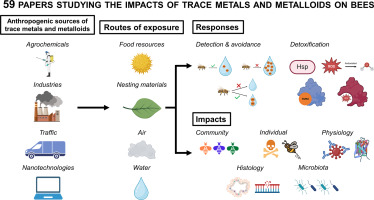
As we go about our daily lives, it’s easy to overlook the tiny creatures that play a crucial role in keeping our ecosystem healthy. Bees, in particular, are some of the most important pollinators on the planet, responsible for pollinating countless plant species and maintaining the delicate balance of nature. However, their vital work is under threat from an unexpected source: metal pollution.
The Hidden Dangers of Metal Pollution
Metal pollutants, such as aluminum and nickel, can be found in a variety of sources, including vehicle exhaust fumes, industrial waste, and agricultural equipment. These toxic substances can easily contaminate soil, air, and water, putting entire fields of flowers at risk. Imagine a field of vibrant wildflowers, but the very ground beneath them is poisoning the bees that rely on those flowers for survival.
How Bees are Affected by Metal Pollution
Bees have an incredible ability to detect even tiny amounts of metal in their environment. However, this detection mechanism only kicks in after they’ve already ingested the toxic substance – often unknowingly. Think of it like a warning system that only goes off after the damage has been done.
The Importance of Understanding Metal Toxicity
While it’s true that some metals are essential for life, including iron in our hemoglobin, the same metals can be poisonous to plants and animals. Research conducted by the University of Pittsburgh’s Department of Biological Sciences sheds light on the devastating effects of metal toxicity on bees.
A Study on Bee Behavior
In a groundbreaking study published in Environmental Pollution, researchers observed the behavior of bees around contaminated flowers. They divided their subjects into three groups: one group received “clean” flowers, another received flowers contaminated with nickel, and a third received flowers contaminated with aluminum.
To our surprise, the bees were unable to differentiate between the two types of flowers from a distance. However, once they’d tasted the nectar, they began to show signs of distress. The researchers observed that the bees would avoid “clean” flowers altogether, whereas those that had ingested metal-laced nectar were slower to move and less agile.
The Consequences of Metal Pollution
As we continue to pollute our environment with toxic metals, we’re putting entire ecosystems at risk. Bees are more than just a vital food source; they’re also responsible for maintaining the health of our ecosystem. Without them, our world would be a vastly different – and much less fertile – place.
The Impact on Ecosystems
Metal pollution not only affects individual bees but also has far-reaching consequences for entire ecosystems. For example:
- Reduced biodiversity: By poisoning plants, metal pollution can lead to reduced plant diversity, which in turn affects the variety of pollinators that depend on them.
- Disrupted nutrient cycles: Metal toxicity can disrupt nutrient cycles within ecosystems, leading to imbalances that can have cascading effects throughout the food chain.
The Role of Humans
Humans play a significant role in metal pollution’s impact on bees and other pollinators. Our daily choices – from using public transportation to choosing products with minimal packaging – can either contribute to or mitigate this problem.
- Reducing emissions: By reducing our carbon footprint, we can decrease the amount of pollutants released into the air.
- Supporting sustainable agriculture: Choosing products that are sustainably sourced and produced can help minimize metal pollution in agricultural settings.
What’s Being Done to Address Metal Pollution
While there’s still much work to be done, researchers are exploring innovative solutions to mitigate metal pollution. From using cleaner alternatives to industrial processes to promoting sustainable agricultural practices, we’re slowly but surely working towards a brighter future for our pollinators.
- Developing alternative materials: Researchers are investigating the use of alternative materials in various industries, such as construction and manufacturing.
- Implementing regulations: Governments around the world are implementing stricter regulations on industrial emissions to reduce metal pollution.
Conclusion
The alarming effects of metal pollution on bees and other pollinators serve as a stark reminder of the importance of protecting our environment. As we strive to create a healthier world for all living creatures, it’s essential that we address the pressing issue of metal toxicity head-on. By working together, we can ensure a brighter future for our planet – and its tiny but mighty inhabitants.
Frequently Asked Questions
- Q: How widespread is metal pollution?
A: Metal pollution affects entire ecosystems worldwide, with no single region left untouched. - Q: Can bees recover from metal poisoning?
A: While some bees may survive short-term exposure to metals, long-term effects can be devastating and even fatal. - Q: What are the most toxic metals affecting pollinators?
A: Nickel and aluminum are among the most commonly cited culprits when it comes to metal pollution’s impact on bees and other pollinators. - Q: Can we prevent metal pollution from reaching our environment?
A: Yes, reducing industrial emissions, using cleaner energy sources, and implementing sustainable agricultural practices can help minimize metal pollution. - Q: What role do individuals play in combating metal pollution?
A: Every small action counts – whether it’s choosing eco-friendly products or supporting organizations working to clean up polluted environments.
The Future of Sustainable Living
As we move forward, it’s essential that we prioritize sustainability and work towards a cleaner, greener future. By understanding the impact of metal pollution on bees and other pollinators, we can take steps towards mitigating this problem and ensuring a healthy environment for all living creatures.
- Advocacy: Raising awareness about metal pollution’s effects on pollinators can help inspire action from governments, organizations, and individuals.
- Research and development: Continued research into alternative materials and sustainable practices can lead to innovative solutions that minimize metal pollution.


