
Selecting the right lamp for your space can make all the difference in creating a warm, inviting, and comfortable atmosphere. With so many options available, it can be overwhelming to choose the perfect one. In this article, we will guide you through the process of selecting the ideal lamp for your needs.
Understanding Lamp Types
When shopping for a new lamp, there are several types to consider. Two popular options are LED (Light Emitting Diode) and fluorescent lamps. Both offer high energy efficiency, but they have distinct characteristics that may make one more suitable than the other for your specific needs.
LED vs Fluorescent Lamps
LED lamps emit light at a much lower temperature than traditional incandescent bulbs, making them ideal for spaces with decorative fixtures or furniture that would clash with warm-toned lighting. On the other hand, fluorescent lamps are better suited for areas where high brightness is required, such as kitchens and bathrooms.
Factors to Consider When Choosing a Lamp
To make an informed decision, consider the following factors:
Dimensions of the Socket
Before purchasing a new lamp, ensure that it fits your existing socket. In most homes, two common standards are E27 and E14. These sizes refer to the diameter of the connector screws on the lamp.
Lumen Intensity
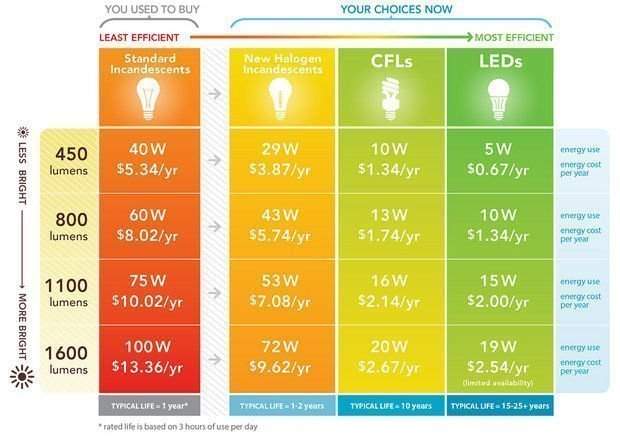
Determine how much light you need for your space. If you plan to use the lamp in a bedroom or living room, a lower lumen intensity (around 500-700 lumens) may be sufficient. For kitchens and bathrooms, choose lamps with higher intensities (around 1000-1500 lumens).
Color Temperature
LED lamps come in various color temperatures, ranging from warm white to cool blue. Warm white tones (2700K-3000K) are often preferred for cozy spaces, while cool white tones (3500K-4100K) are better suited for modern and sleek environments.
Lifespan and Switch Time
Another crucial factor is the lifespan of the lamp and its switch-on time. Look for lamps with a long lifespan (around 3000-6000 cycles) to minimize maintenance needs. Additionally, opt for lamps that can turn on quickly (less than 2 seconds).
Frequently Asked Questions
Here are some answers to common questions when choosing a lamp:
Q: What is the difference between LED and fluorescent lamps?
A: LED lamps emit light at a lower temperature, making them ideal for decorative spaces. Fluorescent lamps, on the other hand, require high brightness and are best suited for areas like kitchens and bathrooms.
Q: How do I choose the right lumen intensity for my space?
A: Determine your needs based on the room’s size, furniture, and intended use. For example, a bedroom may require lower lumens (500-700), while a kitchen might need higher intensities (1000-1500).
Q: What color temperature is best for modern spaces?
A: Cool white tones (3500K-4100K) are often preferred for modern environments, as they complement metallic accents and sleek designs.
Q: Can I install an LED lamp in a high-traffic area?
A: No, it’s not recommended to install an LED lamp in areas with frequent opening and closing, such as bathrooms or hallways. These lamps have a limited lifespan (around 3000-6000 cycles) and may not withstand the wear and tear.
Q: How do I determine the socket size for my new lamp?
A: Check your existing socket to ensure compatibility. The E27 and E14 standards are two common sizes used in most homes.
Q: What is the lifespan of an LED lamp, and how does it compare to traditional lamps?
A: LED lamps have a longer lifespan (around 25,000-50,000 hours) compared to traditional incandescent bulbs (around 1,000-2,000 hours). However, their high energy efficiency also means they require more expensive replacement bulbs.
Q: Can I install an LED lamp in a dark room?
A: Yes, LED lamps can provide sufficient light for even the darkest rooms. Look for lamps with high lumens ratings (around 1500-2000) to ensure adequate illumination.
Q: How do I maintain my LED lamp to extend its lifespan?
A: Regularly clean the lens and base of your LED lamp to prevent dust buildup, which can reduce its lifespan. Avoid exposing the lamp to extreme temperatures or humidity.
Types of Lamps
When choosing a lamp, consider the type that best suits your needs:
Table Lamps
Table lamps are versatile and can be placed anywhere in your home. They come in various styles, from modern to traditional, making them suitable for different decorating schemes.
Pros:
- Easy to move around
- Versatile design options
- Suitable for reading or ambient lighting
Cons:
- Can take up space on a table or surface
- May not provide enough light for larger rooms
Floor Lamps
Floor lamps are perfect for corners, hallways, and living areas. They come in various styles, from sleek to ornate, making them suitable for different decorating schemes.
Pros:
- Can provide sufficient light for larger spaces
- Often more stylish than traditional table lamps
- Easy to move around
Cons:
- May require more space due to their height
- Can be expensive
Desk Lamps
Desk lamps are designed specifically for workspaces and reading areas. They come in various styles, from modern to minimalist.
Pros:
- Compact design makes them perfect for small spaces
- Can provide focused light where needed most
- Often affordable
Cons:
- May not be suitable for larger rooms or open-plan spaces
- Limited to a specific task (reading)
Outdoor Lamps
Outdoor lamps are designed specifically for outdoor use and come in various styles, from modern to traditional.
Pros:
- Can provide sufficient light for outdoor areas
- Often weather-resistant and durable
- Suitable for pathways, patios, or gardens
Cons:
- May require more maintenance due to exposure to the elements
- Limited by wind, rain, and extreme temperatures
Materials Used in Lamp Construction
When choosing a lamp, consider the materials used in its construction:
Metal Lamps
Metal lamps are durable and can last for years. They come in various styles, from modern to traditional.
Pros:
- Durable and long-lasting
- Can be made from a variety of metals (e.g., aluminum, copper)
- Often stylish and elegant
Cons:
- May require more maintenance due to scratches or corrosion
- Can be heavy and difficult to move
Wooden Lamps
Wooden lamps are often used for traditional or rustic designs. They come in various styles, from modern to minimalist.
Pros:
- Natural and eco-friendly option
- Often has a warm, cozy ambiance
- Can be made from sustainable materials (e.g., reclaimed wood)
Cons:
- May require more maintenance due to cracking or warping
- Limited by the type of wood used
Ceramic Lamps
Ceramic lamps are often used for decorative purposes. They come in various styles, from modern to traditional.
Pros:
- Aesthetically pleasing and colorful
- Often has a warm, cozy ambiance
- Can be made from a variety of materials (e.g., glass, porcelain)
Cons:
- May require more maintenance due to chipping or cracking
- Limited by the type of ceramic used
LED Lamps in Different Applications**
LED lamps are versatile and can be used in various applications:
Home Decor
LED lamps can add a touch of modernity to your home decor. They come in various styles, from minimalist to ornate.
Pros:
- Energy-efficient and cost-effective
- Can be made from a variety of materials (e.g., glass, metal)
- Often stylish and elegant
Cons:
- May require more maintenance due to dust buildup or corrosion
- Limited by the design options available
Outdoor Decor
LED lamps can add a touch of modernity to your outdoor decor. They come in various styles, from minimalist to ornate.
Pros:
- Energy-efficient and cost-effective
- Can be made from weather-resistant materials (e.g., aluminum, copper)
- Often stylish and elegant
Cons:
- May require more maintenance due to exposure to the elements
- Limited by wind, rain, and extreme temperatures
Lighting for Specific Tasks
LED lamps can provide focused light for various tasks:
Reading
LED lamps are perfect for reading, providing a warm and cozy ambiance. They come in various styles, from modern to traditional.
Pros:
- Energy-efficient and cost-effective
- Can be made from a variety of materials (e.g., glass, metal)
- Often stylish and elegant
Cons:
- May require more maintenance due to dust buildup or corrosion
- Limited by the design options available
Task Lighting
LED lamps can provide focused light for tasks like cooking or crafting. They come in various styles, from modern to minimalist.
Pros:
- Energy-efficient and cost-effective
- Can be made from a variety of materials (e.g., glass, metal)
- Often stylish and elegant
Cons:
- May require more maintenance due to dust buildup or corrosion
- Limited by the design options available
Conclusion
Choosing the right lamp for your space can make all the difference in creating a warm, inviting, and comfortable atmosphere. By considering factors like lumen intensity, color temperature, type of lamp, materials used in construction, and specific applications (e.g., home decor, outdoor decor), you can find the perfect LED lamp to suit your needs.


