
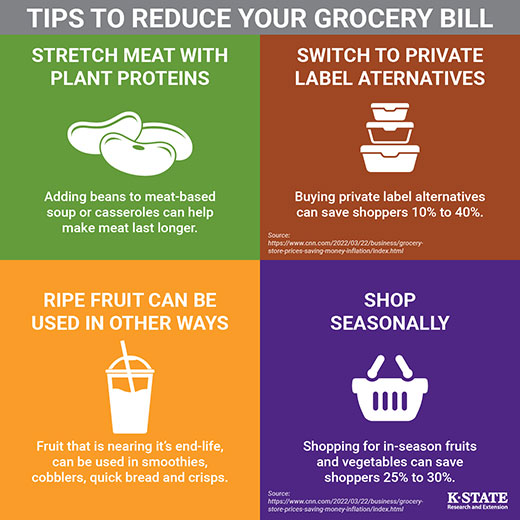
As we all know, grocery shopping is a necessity, but it’s also an expense that can add up quickly. In this article, we’ll explore some effective ways to save on groceries without compromising on quality or nutrition.
Understanding the Challenge of Grocery Shopping
Before we dive into the solutions, let’s acknowledge the challenges of grocery shopping. With so many options available, it’s easy to get overwhelmed and make impulse purchases that can lead to waste and overspending. Additionally, the frequency of grocery shopping means that we’re constantly facing new product offerings and sales, making it difficult to stick to our budgets.
The Importance of Quality
When it comes to saving on groceries, it’s essential to remember that quality is key. Just because a product is cheaper doesn’t mean it’s necessarily better for you. In fact, some cheaper options may contain lower-quality ingredients or have shorter shelf lives. By prioritizing quality, we can avoid the long-term costs of unhealthy eating and reduce our environmental impact.
Strategies for Saving on Groceries
1. Meal Planning
Before you go shopping, take some time to plan your meals for the week. This will help you avoid buying unnecessary items and reduce food waste. Consider your dietary preferences, allergies, and any special requirements, such as vegetarian or gluten-free.
Meal planning also helps you identify patterns in your eating habits and makes it easier to make healthy choices. You can find inspiration online or use a meal planning app to generate ideas for new recipes.
Some tips for effective meal planning include:
- Consider your lifestyle: If you have a busy schedule, plan meals that are quick and easy to prepare.
- Think about your pantry staples: Make sure you’re using up what you already have at home before buying more ingredients.
- Involve the whole family in the process: Get everyone’s input on what they’d like to eat for dinner or breakfast.
2. Make a Grocery List
Once you have a meal plan, create a list of the ingredients you need. Stick to this list when you’re at the store to avoid impulse purchases. You can also use online tools or apps to help you generate a grocery list and keep track of prices.
Some tips for creating an effective grocery list include:
- Consider buying in bulk: Non-perishable items like canned goods, pasta, and rice are often cheaper when purchased in larger quantities.
- Don’t forget about snacks and treats: Plan ahead for healthy options that fit within your budget.
- Keep track of sales: Check the weekly ads for your local stores and plan your shopping trip around the items that are on sale.
3. Shop Sales
Check the weekly ads for your local stores and plan your shopping trip around the items that are on sale. Stock up on non-perishable items when they’re at their cheapest, and consider buying in bulk if it’s a good deal.
Some tips for smart shopping during sales include:
- Plan ahead: Don’t wait until the last minute to buy something just because it’s on sale.
- Compare prices: Make sure you’re getting the best deal by comparing prices between different brands or sizes of an item.
- Use coupons and discount codes: Take advantage of digital coupons, cashback apps, and loyalty programs to earn even more money back.
4. Use Coupons and Discount Codes
Look for coupons and discount codes online or in newspapers to save even more money. Some stores also offer loyalty programs that can help you save over time.
Some tips for finding the best coupons and discounts include:
- Check the store’s website: Many stores offer digital coupons and exclusive deals on their websites.
- Use a coupon aggregator app: Apps like RetailMeNot or Coupons.com aggregate coupons from multiple sources and help you find the best deals.
- Sign up for newsletters: Receive exclusive offers and early access to sales by signing up for your favorite store’s newsletter.
5. Shop at Local Farmers’ Markets
Support local farmers by shopping at farmers’ markets. Not only will you be getting fresh, seasonal produce, but you’ll also be reducing your carbon footprint.
Some tips for shopping at farmers’ markets include:
- Check the quality: Make sure the produce is fresh and of high quality.
- Ask questions: Get to know the farmers behind the produce and ask about their growing methods and practices.
- Consider buying in bulk: Non-perishable items like canned goods, jams, and honey are often cheaper when purchased in larger quantities.
6. Use Cashback Apps
Cashback apps like Ibotta and Fetch Rewards offer rebates on certain grocery items. While the savings may not be huge, it’s a great way to earn some extra money back on your groceries.
Some tips for using cashback apps include:
- Check the app regularly: New deals and offers are added all the time, so make sure to check the app frequently.
- Shop with your phone: Use the app’s barcode scanner to quickly scan items at checkout.
- Don’t forget about digital coupons: Many stores offer exclusive discounts on certain items, which can be combined with cashback apps for even more savings.
7. Cook from Scratch
Cooking meals from scratch can save you money in the long run. By using whole ingredients and avoiding processed foods, you’ll reduce your reliance on expensive convenience foods.
Some tips for cooking from scratch include:
- Plan ahead: Make a meal plan and create a list of the ingredients you need before heading to the store.
- Use what you already have: Get creative with leftovers and use up pantry staples before buying more ingredients.
- Experiment with new recipes: Try new ingredients and flavor combinations to keep your meals interesting.
8. Avoid Overbuying
Be mindful of your shopping habits and avoid overbuying, especially on perishable items. This will help reduce food waste and save you money in the long run.
Some tips for avoiding overbuying include:
- Measure ingredients: Use measuring cups to ensure you’re using the right amount of each ingredient.
- Plan meals around what you have at home: Get creative with leftovers and use up pantry staples before buying more ingredients.
- Shop in season: Buy produce that’s in season to get the best price and freshest quality.
9. Shop at Discount Stores
Consider shopping at discount stores or dollar stores for non-perishable items like canned goods, pasta, and rice. These stores often offer cheaper prices on staples that can help you save money.
Some tips for smart shopping at discount stores include:
- Check the quality: Make sure the products are of good quality and not expired.
- Compare prices: Measure ingredients to ensure you’re getting the best deal by comparing prices between different brands or sizes of an item.
- Use cashback apps: Many discount stores offer digital coupons and exclusive deals on their websites, which can be combined with cashback apps for even more savings.
10. Use Unit Prices
When comparing prices between different brands or sizes of an item, check the unit price (price per ounce or pound) to ensure you’re getting the best deal.
Some tips for using unit prices include:
- Compare prices: Measure ingredients to ensure you’re getting the best deal by comparing prices between different brands or sizes of an item.
- Consider buying in bulk: Non-perishable items like canned goods, pasta, and rice are often cheaper when purchased in larger quantities.
- Don’t forget about sales: Check the weekly ads for your local stores and plan your shopping trip around the items that are on sale.
Tips for Smart Shopping
1. Shop in Season
Buying produce in season can save you money and ensure that your groceries are fresher. Check your local farmer’s market or grocery store for seasonal produce.
Shopping in season also means you’ll have access to a wider variety of fruits and vegetables, which can add nutrients and flavor to your meals.
Some tips for smart shopping during peak season include:
- Plan ahead: Make a meal plan and create a list of the ingredients you need before heading to the store.
- Check the quality: Look for produce that’s fresh, vibrant, and free of blemishes or bruises.
- Consider buying in bulk: Non-perishable items like canned goods, jams, and honey are often cheaper when purchased in larger quantities.
2. Avoid Single-Serving Sizes
Single-serving sizes may seem convenient, but they often come with a higher price tag. Opt for larger packaging to reduce waste and save money in the long run.
Some tips for avoiding single-serving sizes include:
- Measure ingredients: Use measuring cups to ensure you’re using the right amount of each ingredient.
- Plan meals around what you have at home: Get creative with leftovers and use up pantry staples before buying more ingredients.
- Shop in bulk: Non-perishable items like canned goods, pasta, and rice are often cheaper when purchased in larger quantities.
3. Don’t Be Fooled by Price Labels
Just because an item is labeled as “sale” or “discounted” doesn’t mean it’s actually cheaper. Always check the unit price to ensure you’re getting the best deal.
Some tips for smart shopping during sales include:
- Compare prices: Measure ingredients to ensure you’re getting the best deal by comparing prices between different brands or sizes of an item.
- Consider buying in bulk: Non-perishable items like canned goods, pasta, and rice are often cheaper when purchased in larger quantities.
- Check for digital coupons: Many stores offer exclusive deals on their websites, which can be combined with cashback apps for even more savings.
Conclusion
Saving money on groceries requires a combination of planning, smart shopping, and creative cooking. By following these tips and staying informed about sales and promotions, you’ll be able to save money and enjoy healthy, delicious meals without breaking the bank.
Remember to always compare prices, measure ingredients, and shop in season to get the best deals. And don’t forget about cashback apps, digital coupons, and loyalty programs – they can add up to significant savings over time!


