
Introduction
The quest for clean energy has led researchers to explore various methods for producing hydrogen, a potent fuel source with vast potential. In this article, we’ll delve into the process of producing hydrogen from water, using a DIY approach, and discuss recent advancements in hydrogen production.
Historical Context: The Journey to Hydrogen Production
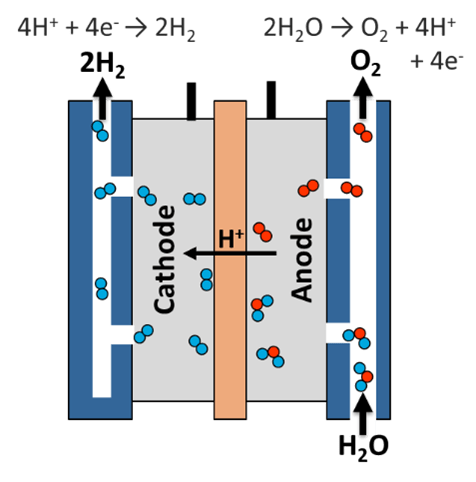
Historically, hydrogen has been extracted from hydrocarbons and fossil fuels, but the focus is shifting towards cleaner methods. Water-based production methods have emerged as a promising alternative for producing pure hydrogen. The two primary approaches are electrolysis (using electricity) and thermolysis (utilizing heat).
The Science Behind Hydrogen Production
Hydrogen can be extracted from water through several processes, including:
- Electrolysis: Using electricity to split water molecules into hydrogen and oxygen.
- Thermolysis: Heating water to produce hydrogen using a catalyst.
Why Sodium Hydroxide (NaOH) is Used in DIY Experiments
In the context of DIY experiments, sodium hydroxide (NaOH), also known as caustic soda, is used to extract hydrogen from water. This process involves reacting NaOH with aluminum (Al) in the presence of water to produce hydrogen gas.
Materials Needed:
- Sodium Hydroxide (NaOH)
- Aluminum (Al)
- Water
- A plastic balloon or container for storing the hydrogen gas
The Experiment
To conduct this experiment, follow these steps:
- Mix two tablespoons of NaOH with water to create a solution.
- Wrap an aluminum sheet around a wooden stick or skewer to create a small piece of metal that can be submerged in the NaOH solution.
- Carefully lower the aluminum piece into the solution, ensuring it doesn’t come into contact with your skin.
- Observe the reaction and wait for the hydrogen gas to form.
- Once the gas is produced, place the balloon near the reaction area to capture the hydrogen.
What to Expect:
The experiment should produce a small amount of hydrogen gas, which can be collected in the plastic balloon or container. Be cautious when handling the NaOH solution and aluminum, as they can cause skin irritation and burns.
Advancements in Hydrogen Production
Researchers are working on developing more efficient methods for producing hydrogen using various substrates, including organic waste and microorganisms. This could lead to a more sustainable and cost-effective approach to clean energy production.
The Future of Clean Energy:
As the world continues to shift towards cleaner energy sources, the importance of hydrogen production will only grow. By exploring new methods for producing hydrogen from water, we can unlock a significant part of the solution to our energy challenges.
Safety Precautions
- Handle NaOH with care, as it is highly caustic and can cause severe burns.
- Wear protective gloves and goggles when handling the reaction mixture.
- Keep the reaction area well-ventilated to prevent accumulation of hydrogen gas.
Potential Applications of Hydrogen Production
Hydrogen has a wide range of potential applications in various industries, including:
- Transportation: Hydrogen fuel cells have the potential to power electric vehicles and other transportation systems.
- Power Generation: Hydrogen can be used as a clean energy source for power generation, reducing greenhouse gas emissions.
- Industrial Processes: Hydrogen is used in various industrial processes, such as steel production and chemical synthesis.
Conclusion
Producing hydrogen from water using a DIY approach offers a unique opportunity to explore the science behind this process. As researchers continue to develop more efficient methods for producing hydrogen, we can unlock a cleaner, more sustainable future for energy. By understanding the potential applications of hydrogen production and implementing new technologies, we can create a better world for generations to come.
FAQs
- Q: Is it safe to produce hydrogen at home?
A: Yes, when conducted properly, this experiment is relatively safe. - Q: Can I use other materials instead of aluminum and NaOH?
A: While it’s possible to experiment with different materials, the specific combination of aluminum and NaOH is recommended for optimal results. - Q: What are the potential applications of hydrogen production?
A: Hydrogen can be used as a clean energy source for transportation, power generation, and industrial processes.
By exploring new methods for producing hydrogen from water, we can unlock a cleaner, more sustainable future for energy.


