
As a wine enthusiast, you might have wondered: Is biodynamic wine better than organic wine? The answer is not straightforward, but we’ll delve into the world of biodynamics and explore what sets it apart from organic farming practices.
What is Organic and Biodynamic Farming?
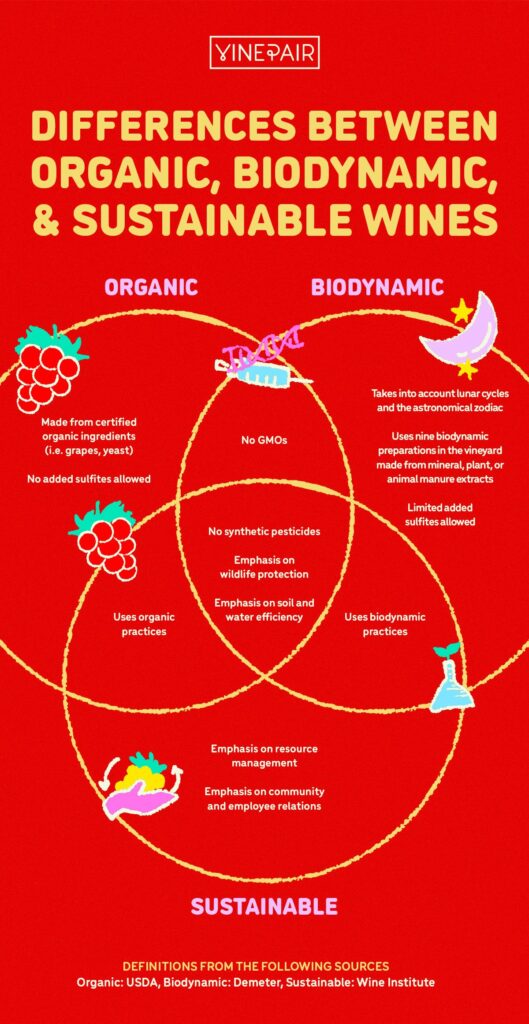
Before diving into the topic of wine production, let’s define these two terms. Organic farming refers to a set of practices that eliminate synthetic fertilizers, pesticides, and genetically modified organisms (GMOs) from agricultural systems. On the other hand, biodynamic farming takes organic principles a step further by incorporating holistic approaches, such as lunar cycles and compost tea, to promote soil health and biodiversity.
The History of Biodynamics
Biodynamics was first introduced by Austrian philosopher Rudolf Steiner in the 1920s. Steiner believed that conventional farming practices were not only harmful to the environment but also to human health. He advocated for a more holistic approach to agriculture, which he called biodynamic farming.
Steiner’s ideas gained popularity among farmers and eventually led to the establishment of the International Federation of Biodynamic Farmers (FIB) in 1928. Today, biodynamics is practiced by thousands of farmers worldwide, with over 1,000 certified biodynamic farms in the United States alone.
The Difference Between Organic and Biodynamic Farming
While both organic and biodynamic farming aim to promote sustainable agriculture, there are some key differences between the two practices:
- Organic farming: Organic farming focuses on eliminating synthetic fertilizers, pesticides, and GMOs from agricultural systems. This approach aims to create a more natural environment for crops to grow.
- Biodynamic farming: Biodynamic farming takes organic principles a step further by incorporating holistic approaches, such as lunar cycles and compost tea, to promote soil health and biodiversity. This approach aims to create a more balanced and diverse ecosystem.
The Impact of Biodynamics on Soil Health
One of the primary benefits of biodynamics is its ability to improve soil health. By using natural methods like compost tea and lunar cycles, biodynamic farmers can increase the diversity of microorganisms in their soils, leading to better nutrient uptake and reduced soil erosion.
In a study published in the Journal of Agricultural Science, researchers found that biodynamic farming practices led to significant improvements in soil health, including:
- Increased microbial biomass
- Improved soil structure
- Enhanced water infiltration
The Impact of Biodynamics on Grape Quality
While there is limited evidence to support the claim that biodynamic wines taste different from organic wines, some studies suggest that biodynamic farming practices can lead to improved grape quality.
In a study published in the Journal of Wine Research, researchers found that biodynamic grapes had higher levels of anthocyanins and polyphenols than organic grapes. These compounds are associated with better antioxidant activity and potential health benefits.
The Future of Organic and Biodynamic Farming
As consumers become more environmentally conscious, demand for sustainable practices like organic and biodynamic farming is on the rise. Governments around the world are implementing policies to support these practices, including labeling requirements and subsidies for biodynamic farmers.
In the United States, for example, the USDA has implemented a new labeling requirement that requires producers to label their wines as either “organic” or “biodynamic.” This move aims to increase transparency and promote consumer awareness about sustainable wine production methods.
Conclusion
The debate between organic and biodynamic farming practices is complex and multifaceted. While both approaches aim to promote sustainable agriculture, there are some key differences between the two practices. Biodynamics takes organic principles a step further by incorporating holistic approaches, such as lunar cycles and compost tea, to promote soil health and biodiversity.
As consumers become more environmentally conscious, demand for sustainable practices like organic and biodynamic farming is on the rise. Governments around the world are implementing policies to support these practices, including labeling requirements and subsidies for biodynamic farmers.
In the end, whether or not you choose to drink biodynamic wine is a personal decision. However, by understanding the differences between organic and biodynamic farming practices, you can make more informed choices about your wine purchases and promote sustainable agriculture.
Frequently Asked Questions
Here are some key questions related to biodynamics:
Q: What is biodynamics?
A: Biodynamics is a holistic approach to agriculture that combines organic principles with natural methods like compost tea and lunar cycles to promote soil health and biodiversity.
Q: Does biodynamic wine taste different from organic wine?
A: While some experts may perceive differences, there is limited evidence to support this claim. The quality of the wine ultimately depends on various factors, including winemaking techniques and grape variety.
Q: Is biodynamic farming more expensive than organic farming?
A: Biodynamic farming often involves additional costs for compost tea and lunar cycles, but these expenses can vary depending on the specific practices used.
Q: Can I find biodynamic wines in my local store?
A: Yes! Many wine shops now offer biodynamic wines. Look for labels that specifically state “biodynamic” or “made using biodynamic methods”.
Q: How can I learn more about biodynamics and its impact on wine production?
A: For in-depth information, check out books like “La vigna, il vino e la biodinamica” or online articles from reputable sources.
Conclusion
The world of wine is full of mysteries and debates. One such debate revolves around the differences between organic and biodynamic farming practices. While both approaches aim to promote sustainable agriculture, there are some key differences between the two practices.
Biodynamics takes organic principles a step further by incorporating holistic approaches, such as lunar cycles and compost tea, to promote soil health and biodiversity. This approach aims to create a more balanced and diverse ecosystem.
As consumers become more environmentally conscious, demand for sustainable practices like organic and biodynamic farming is on the rise. Governments around the world are implementing policies to support these practices, including labeling requirements and subsidies for biodynamic farmers.
In the end, whether or not you choose to drink biodynamic wine is a personal decision. However, by understanding the differences between organic and biodynamic farming practices, you can make more informed choices about your wine purchases and promote sustainable agriculture.


