
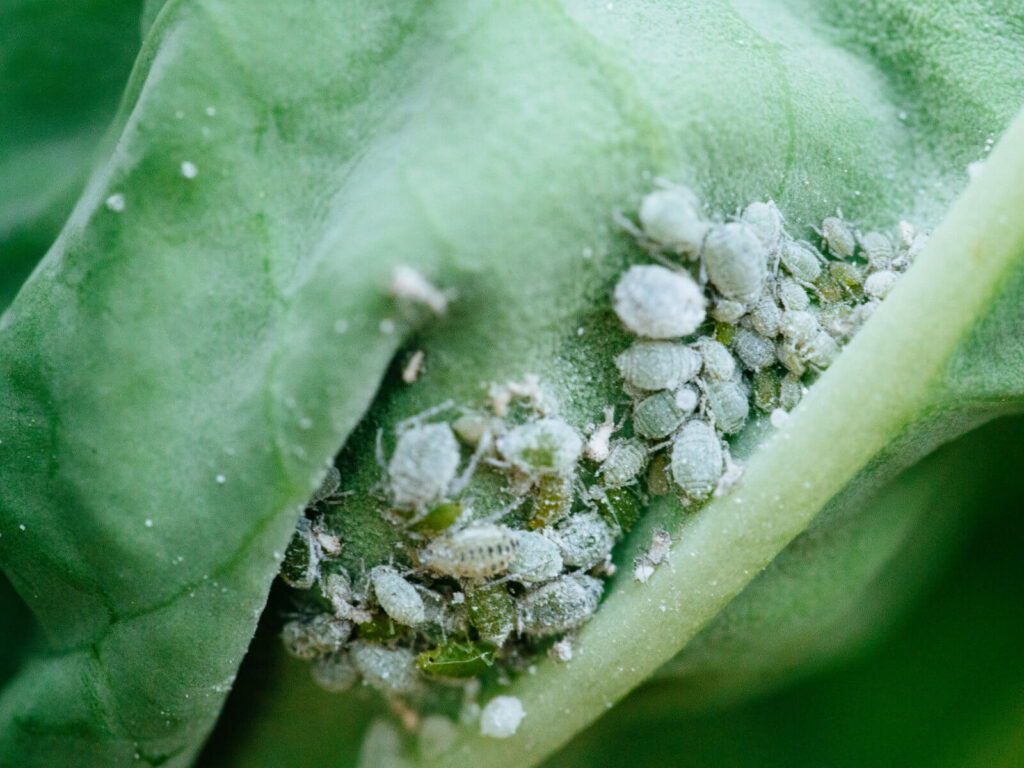
Understanding Plant Lice
Plant lice, also known as aphids, are small, soft-bodied insects that feed on plant sap, causing damage to leaves and stems. These pesky pests can transmit viral infections and attract fungal diseases like powdery mildew. In this article, we’ll explore the different types of plant lice, their habits, and natural remedies for controlling them.
Types of Plant Lice
There are several species of plant lice, including:
- Green plant lice: common on ornamental plants like hibiscus
- Black plant lice: attack fruiting plants and other non-ornamental species
- Yellow plant lice: also referred to as “aphid olive tree” due to their affinity for olive trees
These plant lice can be distinguished by their color, shape, and habits. Understanding the type of plant lice you’re dealing with is crucial in choosing the right natural remedy.
Preventive Measures
The alert months for plant lice are usually April and May, when these pests thrive in warm temperatures and high humidity. To prevent infestations during this period:
- Inspect your plants regularly
- Remove any weeds or debris that can harbor aphids
- Use natural insecticides or organic remedies as a preventative measure
Natural Remedies for Plant Lice
When it comes to controlling plant lice, natural remedies offer a safe and effective solution. Here are some of the most effective methods:
1. Maceration of Wormwood
Wormwood is a wild herb that’s often considered an unwanted guest in gardens. However, its maceration has proven to be an excellent natural remedy for eliminating plant lice.
To prepare wormwood maceration:
- Leave fresh or dry wormwood in 10 liters of water
- Use 500 grams of dried wormwood or 1 kg of fresh wormwood
- Remove the roots and submerge them in boiling water
- Let it macerate for 4 days, filter it, and use the liquid as a treatment
2. Tobacco Solution
Tobacco has natural insecticidal properties that can help control plant lice.
To prepare tobacco solution:
- Mix two parts of water with one part of denatured alcohol
- Add 2 tablespoons of strong tobacco
- Let it macerate for 4 days, filter, and use the obtained liquid as a treatment
3. Soap Solution
A soap solution can be effective against green plant lice, making it an excellent natural remedy.
To prepare soap solution:
- Use a mild dish soap specifically designed for plants
- Mix it with water according to the manufacturer’s instructions
- Spray or soak the affected areas
4. Garlic Solution
Garlic has antiparasitic properties that can help control plant lice. You can add garlic to your soil for a long-term effect.
To prepare garlic solution:
- Chop 3-4 cloves of garlic and mix it with water
- Let it sit for 24 hours, then filter the liquid
- Use the obtained liquid as a treatment
5. Propolis Solution
Propolis is a natural antibiotic and antiparasitic agent that can help control plant lice.
To prepare propolis solution:
- Read the article “Propolis for Plant Care” for the complete recipe
- Follow the instructions carefully to ensure effectiveness
6. Neem Oil Solution
Neem oil has insecticidal properties that can help control plant lice.
To prepare neem oil solution:
- Mix 10-15 drops of neem oil with water according to the manufacturer’s instructions
- Spray or soak the affected areas
7. Cinnamon Solution
Cinnamon has antifungal and antibacterial properties that can help control plant lice.
To prepare cinnamon solution:
- Mix 1 teaspoon of cinnamon powder with water
- Let it sit for 24 hours, then filter the liquid
- Use the obtained liquid as a treatment
8. Citrus Solution
Citrus fruits like lemons and oranges have natural insecticidal properties that can help control plant lice.
To prepare citrus solution:
- Mix equal parts of lemon or orange juice with water
- Spray or soak the affected areas
Piretro: A Natural Insecticide
If you’re dealing with extensive infestations, piretro may be an effective natural insecticide. Piretro is a plant-based substance that contains the active principle piretrin.
To use piretro:
- Purchase piretro products from garden centers or online retailers
- Follow the manufacturer’s instructions for application and dosage
Conclusion
Natural remedies offer a safe and effective solution for controlling plant lice. By understanding the types of plant lice, preventive measures, and natural remedies, you can protect your plants from these pesky pests. Remember to always follow safety guidelines and consult with experts if necessary.
Frequently Asked Questions (FAQs)
- What are the best natural remedies for plant lice?
The most effective natural remedies include maceration of wormwood, tobacco solution, soap solution, garlic solution, propolis solution, neem oil solution, cinnamon solution, citrus solution, and piretro.
- How often should I inspect my plants for plant lice?
Regularly inspect your plants during alert months (April and May) to catch infestations early.
- Can I use synthetic insecticides instead of natural remedies?
While synthetic insecticides may offer short-term results, they can harm beneficial insects and the environment. Opt for natural remedies whenever possible.
- How do I prepare wormwood maceration?
To prepare wormwood maceration, leave fresh or dry wormwood in 10 liters of water. Remove the roots and submerge them in boiling water for 4 days, then filter and use the liquid as a treatment.
- Is piretro safe to use on all plants?
Piretro is generally safe to use on most plants, but always follow the manufacturer’s instructions and take necessary precautions.
- Can I use garlic as a preventative measure?
Garlic can be used as a preventative measure by adding it to your soil for long-term protection against plant lice.
- How do I prepare propolis solution?
To prepare propolis solution, read the article “Propolis for Plant Care” and follow the instructions carefully.
- Can natural remedies harm my plants?
Natural remedies can be safe if used correctly and in moderation. Always follow safety guidelines and consult with experts if necessary.
- How do I use neem oil solution?
To use neem oil solution, mix 10-15 drops of neem oil with water according to the manufacturer’s instructions and spray or soak the affected areas.
- Can plant lice be a sign of underlying issues in my garden?
Yes, plant lice can be a sign of underlying issues in your garden, such as poor soil quality, inadequate watering, or excessive fertilizer use. Addressing these issues can help prevent future infestations.
By following the natural remedies and preventive measures outlined in this article, you can protect your plants from plant lice and maintain a healthy and thriving garden.


