
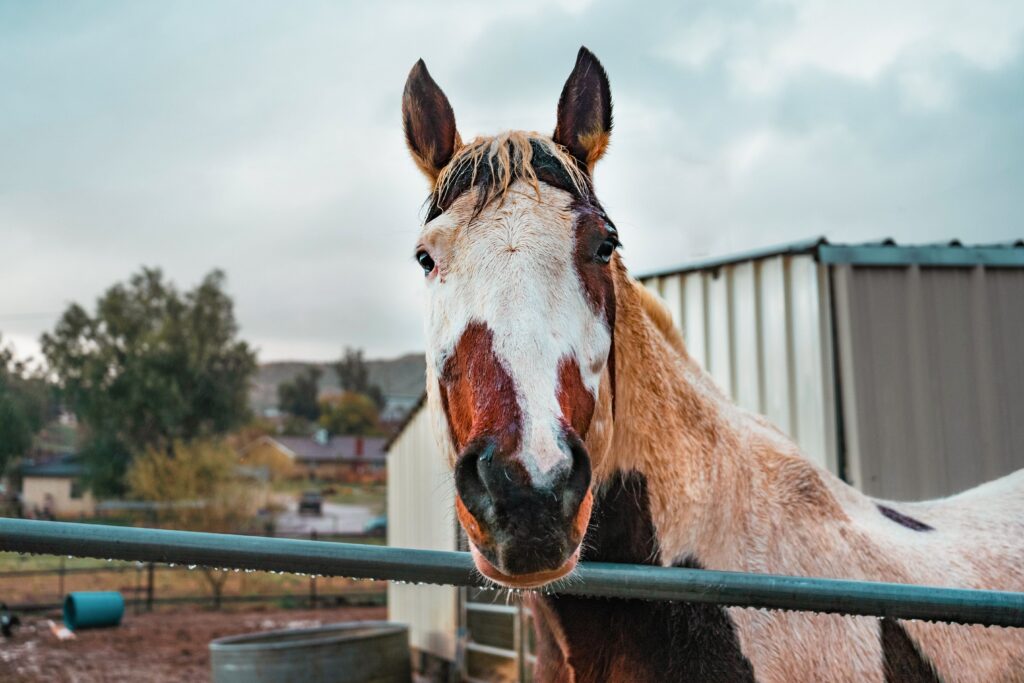
Understanding the Costs Involved in Owning a Horse
As any horse owner will tell you, owning a horse can be a significant investment. From the initial purchase price to ongoing expenses like food, veterinary care, and equipment maintenance, the costs associated with horse ownership can add up quickly.
In this article, we’ll delve into the various factors that affect the cost of a horse and provide guidance on how to determine your budget for purchasing and caring for these magnificent animals.
Factors Affecting the Cost of a Horse
The price of a horse depends on several factors, including:
- Breed: Different breeds are valued differently depending on their intended use (e.g., riding horses, competition horses) and physical characteristics.
- Age: Younger horses tend to be more expensive than older ones.
- Health: Horses with existing health issues or those that require regular veterinary care will cost more.
- Training: Horses that have been trained for specific activities (e.g., jumping, dressage) may command higher prices.
Determining the Cost of a Horse
When considering purchasing a horse, it’s essential to factor in additional costs beyond the initial purchase price. These expenses include:
- Veterinary Care: Regular vaccinations, dental care, and hoof trimming will add up over time.
- Equipment and Supplies: Saddle, bridle, blanket, and other gear required for riding and maintaining your horse’s health.
- Fencing and Stabling: Adequate fencing and stabling are necessary to ensure your horse’s safety and comfort.
Where to Buy a Horse
If you’re interested in purchasing a horse, there are several options available:
- Local Farms or Breeders: Directly from reputable breeders or farmers who specialize in specific breeds.
- Equine Sales Centers: Dedicated facilities that host horse auctions and sales events.
- Online Marketplaces: Websites like Equine Now or Dream Horse offer a wide range of horses for sale.
Tips for Buying a Horse
When selecting a horse, consider the following factors:
- Research the breed, its history, and temperament to ensure it suits your needs.
- Inspect the horse’s physical condition, including any signs of injury or illness.
- Ask about the horse’s training level, handling experience, and compatibility with other animals.
Costs Associated with Owning a Horse
Owning a horse can be expensive, but understanding these costs will help you budget accordingly. Here are some estimated costs associated with owning a horse:
- Initial Purchase Price: The cost of purchasing a horse varies greatly depending on factors like breed, age, health, and training.
- Veterinary Care: Regular expenses include vaccinations ($100-$300 per year), dental care ($500-$1000 per year), and hoof trimming (every 6-12 months).
- Equipment and Supplies: Saddle, bridle, blanket, and other gear can cost between $1,000-$2,000.
- Fencing and Stabling: Adequate fencing can cost between $5,000-$10,000 upfront, while stabling costs can range from $500-$1,000 per month.
Additional Costs to Consider
While these estimated costs will give you a rough idea of what to expect, there are other expenses to consider when owning a horse:
- Transportation: If you don’t live near the farm or breeder, you’ll need to factor in transportation costs for your horse.
- Farrier Services: Regular trimming and shoeing can cost between $30-$60 per session.
- Insurance: Liability insurance can protect you in case of accidents or injuries.
Ongoing Expenses
In addition to the initial purchase price, there are ongoing expenses associated with owning a horse:
- Food and Feed: Depending on your horse’s size, breed, and level of activity, food costs can range from $100-$300 per month.
- Veterinary Care: Regular check-ups, vaccinations, and dental care will add up over time.
- Equipment Maintenance: Saddle, bridle, and other gear may need to be replaced or repaired periodically.
Conclusion
Owning a horse can be a rewarding experience, but it’s crucial to understand the costs involved. By considering factors like breed, age, health, and training, you can determine your budget for purchasing and caring for these magnificent animals. Remember to research reputable sources, inspect horses thoroughly, and ask questions before making a decision.
Frequently Asked Questions
- What is the average cost of a horse?
The cost of a horse varies greatly depending on factors like breed, age, health, and training. On average, a beginner-friendly horse can cost between $1,000 to $3,000. - How much does it cost to maintain a horse?
Regular expenses include veterinary care ($500-$1000 per year), equipment and supplies ($1,000-$2,000 per year), fencing and stabling ($5,000-$10,000 upfront). - What is the best way to find a reputable breeder or seller?
Research local breeders, equine sales centers, and online marketplaces. Look for reviews, ask for references, and inspect horses thoroughly. - How can I ensure my horse’s health and well-being?
Regular veterinary care, proper nutrition, and adequate exercise are essential. Consider working with a veterinarian or equine professional to create a personalized care plan. - What is the typical lifespan of a horse?
The average lifespan of a horse is between 25-30 years, although some horses have been known to live into their 40s.
Costs Associated with Owning a Horse in Italy
If you’re considering purchasing a horse in Italy, there are additional costs to consider:
- Initial Purchase Price: The cost of purchasing a horse varies greatly depending on factors like breed, age, health, and training.
- Veterinary Care: Regular expenses include vaccinations ($100-$300 per year), dental care ($500-$1000 per year), and hoof trimming (every 6-12 months).
- Equipment and Supplies: Saddle, bridle, blanket, and other gear can cost between €1,000-€2,000.
- Fencing and Stabling: Adequate fencing can cost between €5,000-€10,000 upfront, while stabling costs can range from €500-€1,000 per month.
By understanding these additional costs, you’ll be better prepared for the expenses associated with owning a horse in Italy.


