
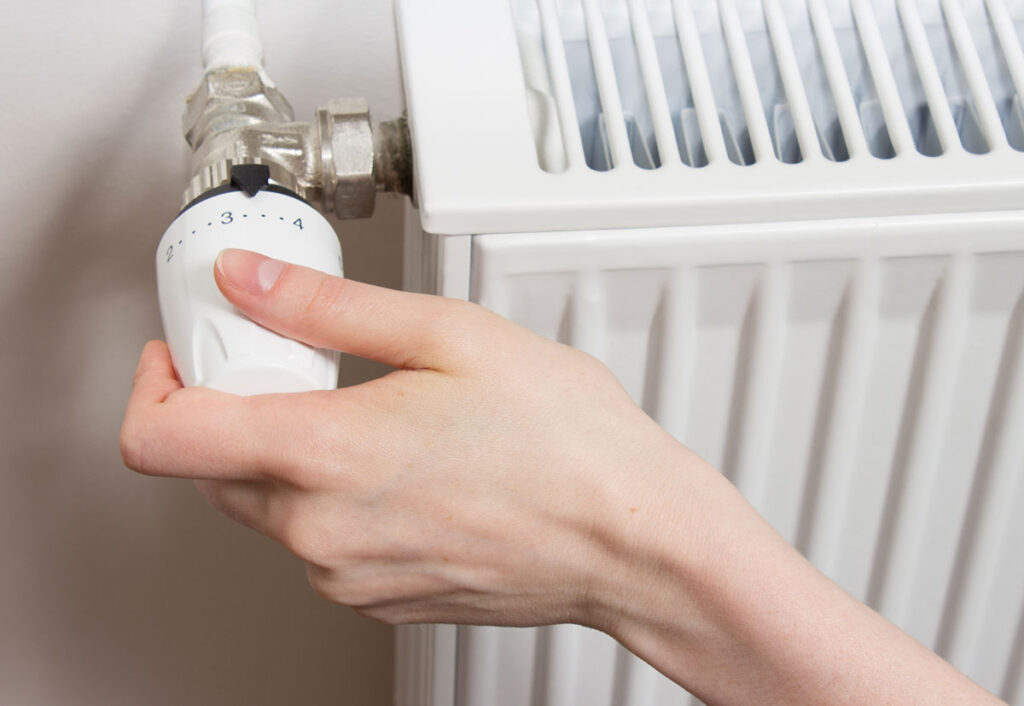
As the winter months approach, many of us are concerned about the cost of heating our homes. One way to reduce your energy bills is by properly maintaining your radiators. In this article, we will explore the importance of regular maintenance, common issues that may arise, and provide step-by-step instructions on how to fix them.
Why Regular Maintenance is Crucial
Regular maintenance of your radiators is essential for ensuring comfort and efficiency in your home. Dirty or clogged radiators can reduce the performance of your heating system, causing hot spots and cold areas. Furthermore, neglecting regular maintenance can lead to costly repairs and even safety hazards.
Some additional benefits of maintaining your radiators include:
- Increased lifespan: Regular maintenance can help extend the life of your radiators by preventing corrosion, damage, and wear and tear.
- Improved performance: Well-maintained radiators will heat more efficiently, reducing energy bills and keeping your home warm and comfortable.
- Reduced risk of leaks: Regular checks can help identify any potential issues with your radiator system before they become major problems.
Identifying Common Issues with Radiators
Before we dive into the maintenance process, it’s essential to identify common issues that may arise with your radiators:
- Poor water pressure: Low water pressure can cause radiators to not heat properly or at all.
- Airlocks in the system: Air trapped in the pipes can prevent water from flowing through the radiator, causing it to cool down quickly.
- Corrosion on the boiler: Corroded boilers can lead to leaks and damage to your heating system.
Step-by-Step Maintenance Guide
Now that we’ve covered common issues, let’s move on to the step-by-step maintenance guide:
- Check for airlocks in the system: To detect an airlock, check for any signs of air pockets or bubbles in the water.
- Test the water pressure: Use a thermometer and a pressure gauge to measure the water pressure in your heating system.
- Inspect the boiler and radiators: Regularly inspect the boiler, radiators, and pipes for any signs of corrosion or damage.
How to Fix Common Issues with Radiators
Here are some step-by-step instructions on how to fix common issues with radiators:
- Fixing airlocks in the system: To fix an airlock, follow these steps:
- Identify the source of the airlock
- Use a plumbing snake or pipe cleaner to clear the airlock
- Bypass the affected area and test the radiator
- Fixing poor water pressure: To fix poor water pressure, follow these steps:
- Check for any blockages in the pipes
- Use a plumbing snake or pipe cleaner to clear any blockages
- Test the radiator to ensure it’s heating properly
Additional Tips and Tricks
Here are some additional tips and tricks for maintaining your radiators:
- Clean and maintain the valves: Regularly clean and maintain the valves on your radiators to prevent corrosion and damage.
- Use a thermostat regulator: Installing a thermostat regulator can help regulate the temperature of your home and improve efficiency.
Regular Maintenance Schedule
To keep your radiators in top condition, it’s essential to establish a regular maintenance schedule. Here’s a suggested schedule:
- Monthly checks: Check for any signs of corrosion or damage on the boiler, radiators, and pipes.
- Quarterly maintenance: Use a plumbing snake or pipe cleaner to clear any blockages in the pipes and check for airlocks in the system.
- Annual service: Have your heating system serviced by a professional to ensure it’s working efficiently and effectively.
Conclusion
Maintaining your radiators is an essential part of ensuring comfort, efficiency, and safety in your home. By following this comprehensive guide, you’ll be able to identify common issues with your radiators, fix them, and enjoy a warm and cozy home all year round.


