
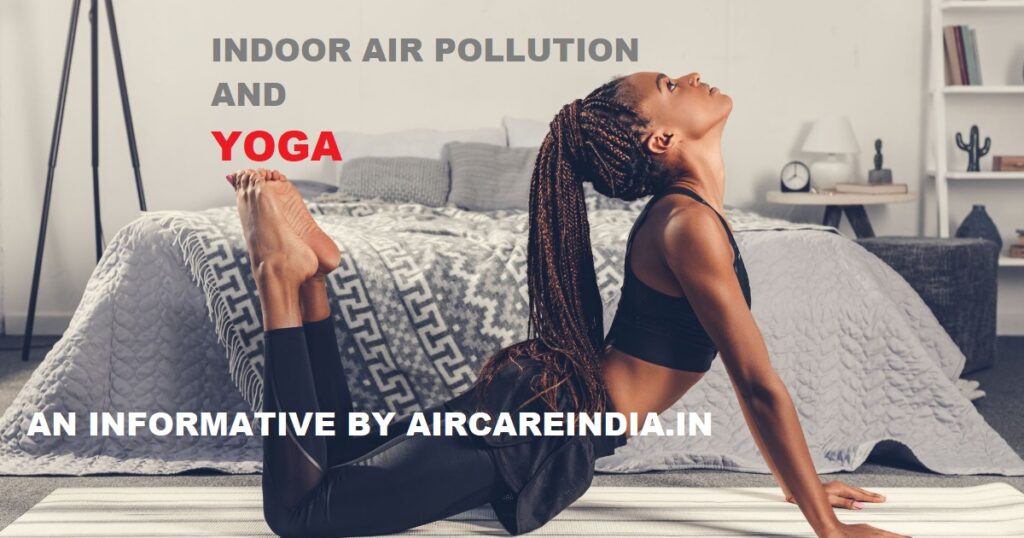
We often think that our homes provide a safe haven from outdoor air pollution, but surprisingly, indoor air can be up to 10 times more contaminated than outdoor air. This is especially concerning when we spend most of our time indoors, increasing our exposure to pollutants. The type and amount of pollutants in the air can vary greatly depending on factors like building materials and synthetic finishes.
2. The Role of Respiration in Health
While the quality of the air around us is crucial, so is how we breathe. We breathe automatically, approximately 20-40 times per minute (56,000 breaths daily), without much conscious thought. However, this lack of awareness can lead to suboptimal breathing habits, such as mouth-breathing which restricts the use of diaphragm and muscles, limiting oxygen absorption.
3. The Significance of Proper Breathing in Yoga
Proper breathing is at the heart of many natural therapies and even ancient spiritual practices. In yoga, breathing serves two critical functions: increasing oxygenation to the bloodstream and controlling the life force energy (prana). Pranayama, a breathing technique used in yoga, aims to maintain overall health.
4. Understanding Yoga Breathing Techniques
Yoga breathing techniques, or Pranayamas, combine three fundamental levels of respiration: tracheal (superficial), intercostal (medium), and abdominal (deep). To breathe correctly, one must inhale and exhale through the nose, which activates the lungs. When inhaling, the abdomen expands, and the diaphragm moves downward, massaging internal organs. Exhaling, the abdomen contracts, and the diaphragm rises, massaging the heart.
5. The Importance of Proper Exhalation
Proper exhalation is particularly crucial because it allows for more contaminated air to be expelled, making room for fresh oxygen to enter, and enabling energy storage.
6. How to Practice Proper Yoga Breathing
To practice proper yoga breathing, focus on following these techniques:
- Inhale through the nose, allowing the abdomen to expand and the diaphragm to move downward.
- Hold your breath momentarily before exhaling through the mouth.
- Exhale slowly, allowing the abdomen to contract and the diaphragm to rise.
7. Benefits of Proper Yoga Breathing
Proper yoga breathing can bring numerous benefits, including:
- Increased oxygenation
- Improved energy levels
- Enhanced mental clarity
Additionally, proper breathing techniques have been shown to reduce symptoms of various health conditions such as anxiety and asthma.
8. How to Identify Improper Breathing Habits
To recognize improper breathing habits, look out for signs such as:
- Mouth-breathing
- Shallow or rapid breathing
These habits can lead to a range of negative effects on overall health and well-being.
9. Tips for Developing Healthy Breathing Habits
Develop healthy breathing habits by practicing proper yoga breathing techniques and being mindful of your respiratory patterns. Some additional tips include:
- Practicing deep, abdominal breathing exercises regularly
- Using a humidifier to remove dry air from the environment
- Avoiding smoke and other pollutants
By incorporating these tips into your daily routine, you can improve the quality of your breath and enhance your overall well-being.
10. Conclusion: The Power of Proper Breathing
Proper breathing is a vital component of overall health and well-being, particularly in the context of yoga and indoor air quality. By understanding the risks of indoor air pollution, recognizing the importance of respiration, and practicing proper yoga breathing techniques, we can take control of our respiratory health.
FAQs:
-
What are some common pollutants found indoors?
- Dust
- Mold
- Pet dander
- Tobacco smoke
-
How often should I practice deep, abdominal breathing?
- Aim for at least 5-10 minutes per session.
-
Can I practice yoga breathing techniques if I have a respiratory condition?
- Consult with your healthcare provider before starting any new exercise routine.
-
What are some common signs of improper breathing habits?
- Mouth-breathing
- Shallow or rapid breathing
-
How can I develop healthy breathing habits?
- Practice proper yoga breathing techniques and be mindful of your respiratory patterns.
-
Can practicing deep, abdominal breathing help alleviate stress and anxiety?
- Yes, it can help calm the mind and promote relaxation.
-
Are there any specific yoga poses that target deep breathing exercises?
- Try inhaling during seated forward bends or exhaling while in downward-facing dog.
-
How often should I clean my home to minimize indoor air pollution?
- Regularly vacuum, dust, and mop surfaces to reduce pollutant buildup.
By taking these steps to improve indoor air quality and practice proper breathing techniques, you can take control of your respiratory health and enhance overall well-being.


