
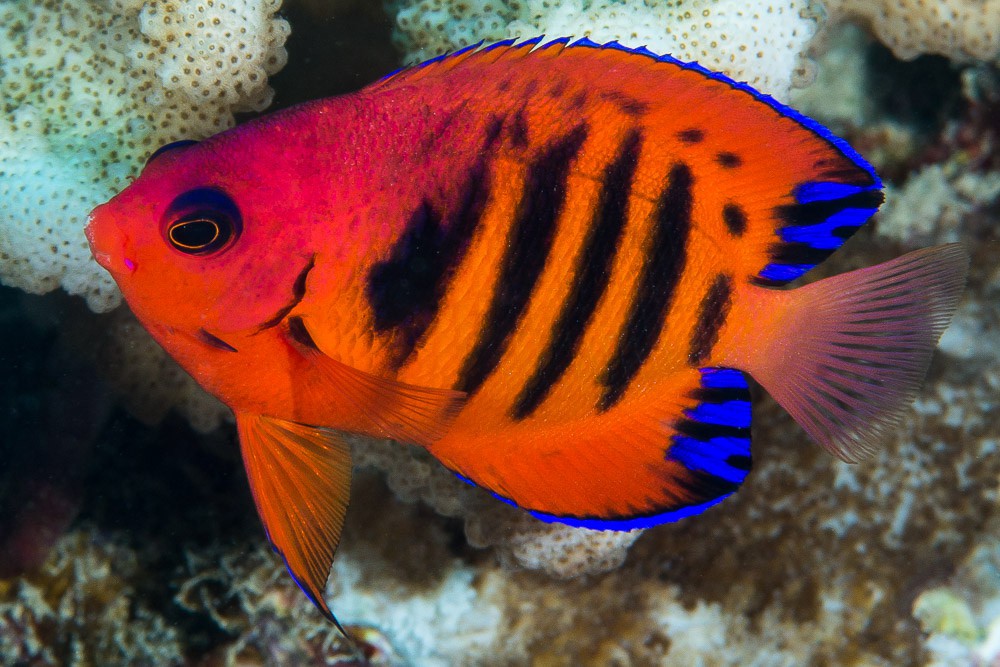
As an avid aquarist, you’ve probably come across the name Centropyge loriculus before. But do you know what makes this fish so unique and fascinating? In this article, we’ll delve into the world of Centropyge loriculus, exploring its taxonomic classification, dietary needs, tank requirements, and behavior.
Centropyge Loriculus: A Brief History
The genus Centropyge is comprised of small angelfish, known for their striking color patterns and semi-aggressive nature. Centropyge loriculus, also known as the Royal Grunt Angelfish, is one of the most popular species within this genus.
Taxonomic Classification
So, what does it mean to be a part of the Perciformes order? In simple terms, it refers to a group of fish that have evolved from a common ancestor. The suborder Percoidei is further divided into several families, including Pomacanthidae. This family includes some of the most iconic and sought-after angelfish species.
The Royal Grunt Angelfish: Sheet
So, what do you need to know about keeping this fish alive and thriving? Here’s a rundown of its requirements:
- Diet: Omnivore
- Temperament: Semi-aggressive
- Level of experience required: Intermediate
- Acclimation time: At least 30 minutes
- Minimum tank volume: At least 150 liters
- Temperature: From 21 to 27°C
- Salinity: 1.020 – 1.026
- pH optimal: 8 – 8.5
- Size: Up to 7 cm
- Origin: Pacific Ocean, from Hawaii to the Great Barrier Reef in Australia
But why is it so important to provide a suitable environment for this fish? The answer lies in its natural habitat.
The Natural Habitat of Centropyge Loriculus
In the wild, Centropyge loriculus can be found in the Pacific Ocean, ranging from Hawaii to the Great Barrier Reef in Australia. Its diet consists of algae and detritus, which it forages for on the seafloor. But what happens when you introduce this fish to a marine aquarium?
The Dietary Needs of Centropyge Loriculus
In captivity, Centropyge loriculus requires a varied diet that includes algae and filamentous detritus. It also accepts frozen foods such as shrimp, mysis, and spirulina algae. But does it eat corals? The answer is yes, but with caution.
The Aggressive Side of Centropyge Loriculus
Centropyge loriculus can become aggressive when it doesn’t find a place to hide and feels threatened. In small tanks, this aggression can manifest in alarming ways. So, how do you prevent this from happening?
Tank Requirements: The Key to a Happy Fish
Providing a suitable tank environment is crucial for the well-being of Centropyge loriculus. A minimum tank volume of 150 liters is recommended, with a temperature range of 21-27°C and salinity levels between 1.020 – 1.026. But what about pH? The optimal pH level for this fish is between 8 – 8.5.
Attacking Other Fish: A Side Effect of Semi-Aggression
While Centropyge loriculus can be aggressive towards other fish, it’s not always a guaranteed outcome. However, when kept with fish of the same genus, aggression may occur due to poor tank conditions.
The Price of Royal Grunt Angelfish
So, how much will you pay for this enigmatic fish? The price depends on several factors, including size and seller. You can find Centropyge loriculus for sale at various prices, ranging from 50 euros to over 100 euros.
Breeding and Tank Mates: A Guide for the Experienced Aquarist
When breeding Centropyge loriculus, it’s essential to provide a suitable environment and tank mates. The Royal Grunt Angelfish is best kept with well-established tanks and provided with hiding places such as anfracts and caves.
Centropyge Bicolor vs. Centropyge Loriculus: A Comparison
So, what sets Centropyge bicolor apart from its cousin, Centropyge loriculus? This angelfish is bred in captivity and grows up to 15 cm, living in shallower waters (3-10 meters). It requires live rocks rich in anfracts to feel secure.
Centropyge Bispinosa: The Delicate Scales of a Small Angelfish
Centropyge bispinosa, also known as Centropyge bispinous, is another popular species within the genus. Its rigid but delicate scales can get tangled in mesh, making manipulation even more difficult.
Conservation Status and Threats to Centropyge Loriculus
Unfortunately, Centropyge loriculus is listed under the Red List of Threatened Species due to habitat destruction and overfishing. As an aquarist, it’s essential to ensure that you’re not contributing to these threats by purchasing from unscrupulous dealers.
Importance of Sustainable Fishing Practices
Sustainable fishing practices are crucial for maintaining healthy fish populations and preventing the decline of species like Centropyge loriculus. By supporting eco-friendly fishing methods and choosing sustainable seafood, we can all contribute to preserving marine ecosystems.
Aquaculture and Aquatic Health: The Unseen Threats to Centropyge Loriculus
Aquaculture has become an increasingly significant threat to marine ecosystems worldwide. Overcrowding, poor water quality, and inadequate monitoring practices have led to the decline of many fish species, including those in the Centropyge genus.
Conclusion: Unveiling the Secrets of Centropyge Loriculus
In conclusion, Centropyge loriculus is a fascinating fish that requires careful consideration when keeping it in a tank. By understanding its taxonomic classification, dietary needs, and behavior, you can create an environment that will keep this fish happy and healthy.
Frequently Asked Questions: Answering Your Queries About Centropyge Loriculus
-
Q: Can I keep Centropyge loriculus with other small angelfish?
A: No, it’s best to keep Centropyge loriculus with well-established tanks and provide hiding places such as anfracts and caves. -
Q: Does Centropyge loriculus eat corals?
A: Yes, but with caution. Monitor your fish closely to prevent coral damage. -
Q: How often should I feed my Centropyge loriculus?
A: Feed twice a day, providing a varied diet that includes algae and filamentous detritus. -
Q: Can I keep Centropyge loriculus in a small tank?
A: No, the minimum tank volume recommended is 150 liters. -
Q: How do I prevent aggression towards other fish?
A: Provide hiding places such as anfracts and caves to reduce stress and aggression. -
Q: What’s the ideal pH level for Centropyge loriculus?
A: The optimal pH level is between 8 – 8.5. -
Q: How much do you pay for a Royal Grunt Angelfish?
A: Prices vary depending on size and seller, ranging from 50 euros to over 100 euros. -
Q: Can I breed Centropyge loriculus?
A: It’s recommended that only experienced aquarists attempt to breed this species, as it requires specific water conditions and tank setup. -
Q: What are some potential threats to Centropyge loriculus?
A: Habitat destruction, overfishing, and poor water quality can all contribute to the decline of this species.
Final Thoughts
In conclusion, Centropyge loriculus is a captivating fish that requires attention and care. By understanding its needs and ensuring sustainable practices in aquaculture, we can help preserve marine ecosystems and protect this species for future generations.


