
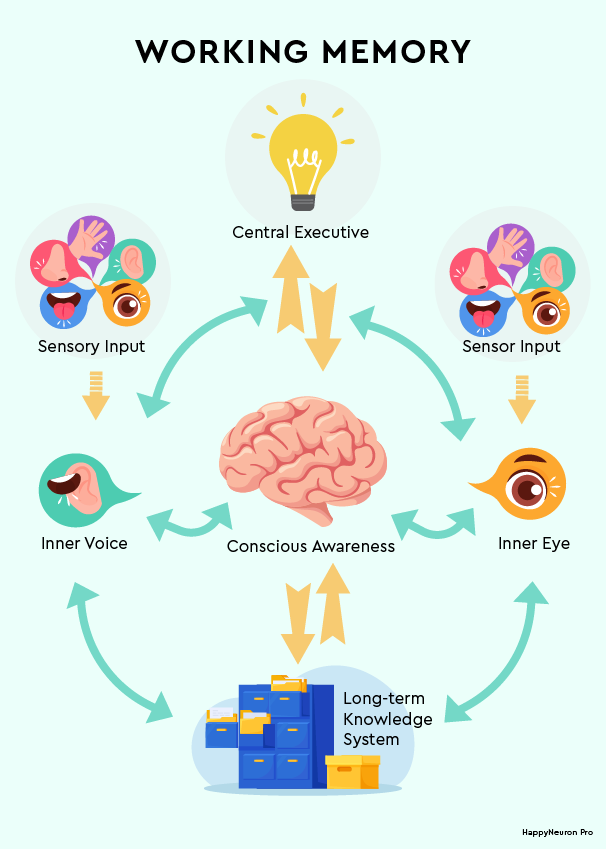
Memory is an essential part of our overall health and well-being. It plays a critical role in our ability to learn, work, and maintain relationships. When we forget things, it can lead to feelings of frustration, anxiety, and even depression. Fortunately, there are many exercises and tips that can help improve our memory.
Why is Memory Important?
Memory is the process by which we store, organize, and retrieve information from our experiences, environment, and past events. It is a complex cognitive function that involves multiple brain regions working together to encode, consolidate, and retrieve memories. Effective memory is essential for learning new skills, understanding language, recognizing faces, and solving problems.
Evaluating Your Memory
Before we dive into the exercises, let’s take a closer look at your current memory habits. Do you often find yourself struggling to remember important details or events? Are you prone to forgetting where you placed items or what appointments you have scheduled?
Assessing your current memory abilities can help identify areas for improvement and tailor your approach to specific needs. Here are some questions to consider:
- How well do you perform in tasks that require working memory, such as solving math problems or following instructions?
- Do you struggle with remembering names, faces, or other social interactions?
- Are there specific situations where you find it difficult to recall information, such as during exams or when trying to learn new skills?
- Have you noticed any patterns in your forgetting behaviors, such as more frequent forgetfulness after a certain event or situation?
Exercises for Memory Improvement
There are several types of exercises that can help improve our memory, including:
Memory Exercises for Long-Term Retention
Gaining long-term retention requires a combination of physical and mental exercise. Here are some tips to get started:
- Eat a balanced diet rich in omega-3 fatty acids, vitamin D, and antioxidants
- Engage in regular physical activity, such as walking or jogging
- Practice stress-reducing techniques like meditation or deep breathing
Long-Term Retention Exercises:
- Memory Games: Play games that challenge your memory, such as Scrabble, Chess, or Solitaire.
- Puzzles: Engage in puzzles like jigsaw puzzles, crosswords, or Sudoku to improve your spatial reasoning and problem-solving skills.
- Learning a New Skill: Acquire a new skill or hobby, such as playing a musical instrument, painting, or cooking, to challenge your brain and build memory.
Memory Exercises for Short-Term Retention
Short-term retention exercises focus on improving our ability to hold information in our minds for a short period of time. Here are some tips:
- Try the “clock trick”: divide your attention into three parts, with each part lasting 5 minutes
- Practice memory games like Sudoku or crosswords
Short-Term Retention Exercises:
- Working Memory Training: Engage in working memory training exercises that challenge your ability to hold information in your mind for a short period.
- Memory Chants and Rhymes: Use memory chants and rhymes, such as the “nursery rhyme” exercise, to improve your ability to recall lists of words or numbers.
- Flashcards: Create flashcards with key terms or concepts on one side and the definition or explanation on the other.
Memory Exercises for Visual Memory
Visual memory exercises help us remember visual information, such as images and shapes. Here are some tips:
- Look at a picture and try to recall the details without looking back
- Practice remembering the sequence of objects in a scene
Visual Memory Exercises:
- Picture Recognition: Look at pictures of different objects or scenes and try to recall their names, shapes, or other visual characteristics.
- Visual Pattern Recognition: Engage in activities that challenge your ability to recognize patterns, such as completing mazes or identifying shapes.
- Mind Palace Technique: Practice using the mind palace technique to visualize mental images and associate them with specific objects or locations.
Memory Exercises for Auditory Memory
Auditory memory exercises focus on improving our ability to remember auditory information, such as sounds and voices. Here are some tips:
- Listen to a series of numbers or words and try to recall them in order
- Practice remembering songs or melodies
Auditory Memory Exercises:
- Music Listening: Engage in music listening exercises that challenge your ability to remember songs, melodies, or lyrics.
- Voice Identification: Practice identifying voices, either by listening to recordings of familiar voices or by trying to recognize the voice of a stranger.
- Auditory Patterns Recognition: Engage in activities that challenge your ability to recognize patterns in auditory information, such as completing audio puzzles.
Tips for Improving Memory
In addition to incorporating exercises into your daily routine, here are some tips for improving memory:
- Stay Organized: Keep track of appointments, events, and important deadlines using calendars, planners, or reminders.
- Use Mnemonics: Use mnemonics, such as acronyms or rhymes, to associate new information with something you already know.
- Practice Active Recall: Engage in active recall activities that challenge your brain and encourage memory formation.
By incorporating these exercises and tips into your daily routine, you can improve your memory and enhance your overall cognitive function.


