
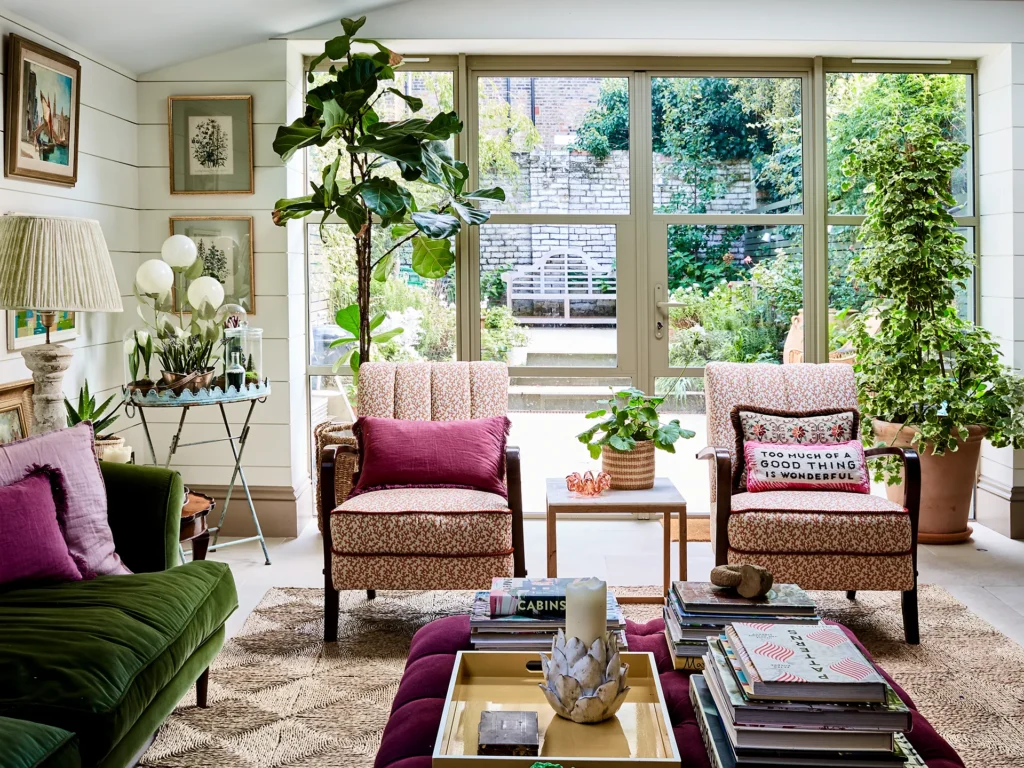
As we strive to create beautiful and functional living spaces, it’s essential to prioritize eco-friendliness and ensure that our choices don’t compromise our health or the environment. In this article, we’ll explore the importance of sustainable design and material selection, discuss eco-friendly wallpaper options, and provide tips for repurposing old furniture in an eco-friendly way.
The Importance of Sustainable Design and Material Selection
When designing or renovating your home, it’s crucial to consider the role of the architect. A well-experienced architect can help you optimize every square inch of your space, ensuring both functionality and aesthetics. Before selecting materials, think about the design of the spaces and functions. This will ensure that you’re choosing sustainable options that meet your needs.
Wood-Based Furniture: Sustainable Choices
When it comes to wood-based furniture, there are several factors to consider:
- Sourcing: Verify that the wood used comes from FSC-certified forests (Forest Stewardship Council) and has been sustainably sourced.
- Processing: Ensure that workers who process the wood are treated fairly throughout the production process.
- Type of Wood: Select woods based on their functions, such as a table that needs to withstand harsh weather conditions or a floor covering that will endure years of foot traffic.
Indoor Pollution and Materials
A study by the ISPRA (Istituto Superiore per la Protezione e la Ricerca Ambientale) found that indoor pollution from materials in our homes is up to 8 times higher than external pollution. The most polluting materials are paints, adhesives, and inorganic pigments like lead, chromium, cadmium, and mercury, which can be present in polyurethane or vinyl products.
To minimize this risk, choose high-quality materials from reliable suppliers who adhere to ethical values.
Eco-Friendly Wallpaper Options
When selecting a paper for your walls, consider several factors:
- Biodegradable: Choose wallpapers made entirely from plant-based materials that can be composted at the end of their life cycle.
- Low Water Consumption: Opt for wallpapers cultivated using minimal irrigation to reduce environmental impact.
- No Additives or Treatments: Ensure that the wallpaper doesn’t contain synthetic chemicals, which can lead to environmental pollution and health issues.
Veruso Lino: A Biodegradable Wallpaper Option
Veruso Lino is one of the first completely biodegradable wallpapers on the market. Made entirely from plant-based materials, it has several benefits:
- Biodegradable: The entire material can be composted at the end of its life cycle.
- Low Water Consumption: Lino cultivation requires minimal irrigation.
- No Additives or Treatments: The absence of synthetic chemicals ensures a healthy indoor environment.
Functional Properties of Eco-Friendly Wallpaper
Eco-friendly wallpaper like Veruso Lino has several functional properties that make it an ideal choice for your home:
- Sound Absorption: The textured surface helps reduce echo and noise.
- Thermal Insulation: Air trapped inside the fibers provides natural insulation, reducing heat transfer.
- Humidity Regulation: Eco-friendly wallpaper can help maintain a stable indoor climate by absorbing moisture.
- Low Flammability: The natural materials used ensure that the paper burns slowly and efficiently in case of fire.
- Long-Lasting Durability: Veruso Lino can withstand years of wear and tear without compromising its eco-friendliness.
Proper Recycling: A Key to Sustainable Home Decoration
While renovating or repurposing your home, it’s essential to recycle materials thoughtfully. Reusing old furniture is a great starting point for sustainable interior design, but avoid treating these items with harsh chemicals or dyes. Instead, focus on selecting natural products and working with professionals who share your eco-friendly values.
By carefully considering every detail of your home’s design and material selection process, you can create spaces that not only look beautiful but also promote your well-being and respect the environment.
Conclusion
Sustainable home decoration is an area where we all have the opportunity to make a positive impact on our health and the planet. By choosing eco-friendly options for your living spaces, you can create comfortable, healthy environments while preserving natural resources for future generations.
Frequently Asked Questions: Sustainable Home Decoration
- What are some sustainable materials I can use for my home’s interior?
- Natural fibers like cotton, wool, and silk
- Reclaimed wood or salvaged materials from old buildings
- Biodegradable wallpapers like Veruso Lino
- How do I ensure that my furniture is sustainably sourced?
- Look for FSC certification on the product label
- Research the manufacturer’s environmental policy and supply chain practices
- Can I still achieve a stylish home design while using eco-friendly materials?
- Absolutely! Sustainable materials can be just as beautiful and functional as their non-eco-friendly counterparts.
- What are some tips for repurposing old furniture in an eco-friendly way?
- Clean the item thoroughly before reusing it
- Avoid treating old materials with harsh chemicals or dyes
- How can I maintain a sustainable home environment over time?
- Regularly inspect your home’s systems and replace worn-out parts with energy-efficient alternatives
- Practice mindful consumption of resources, such as water and electricity


