
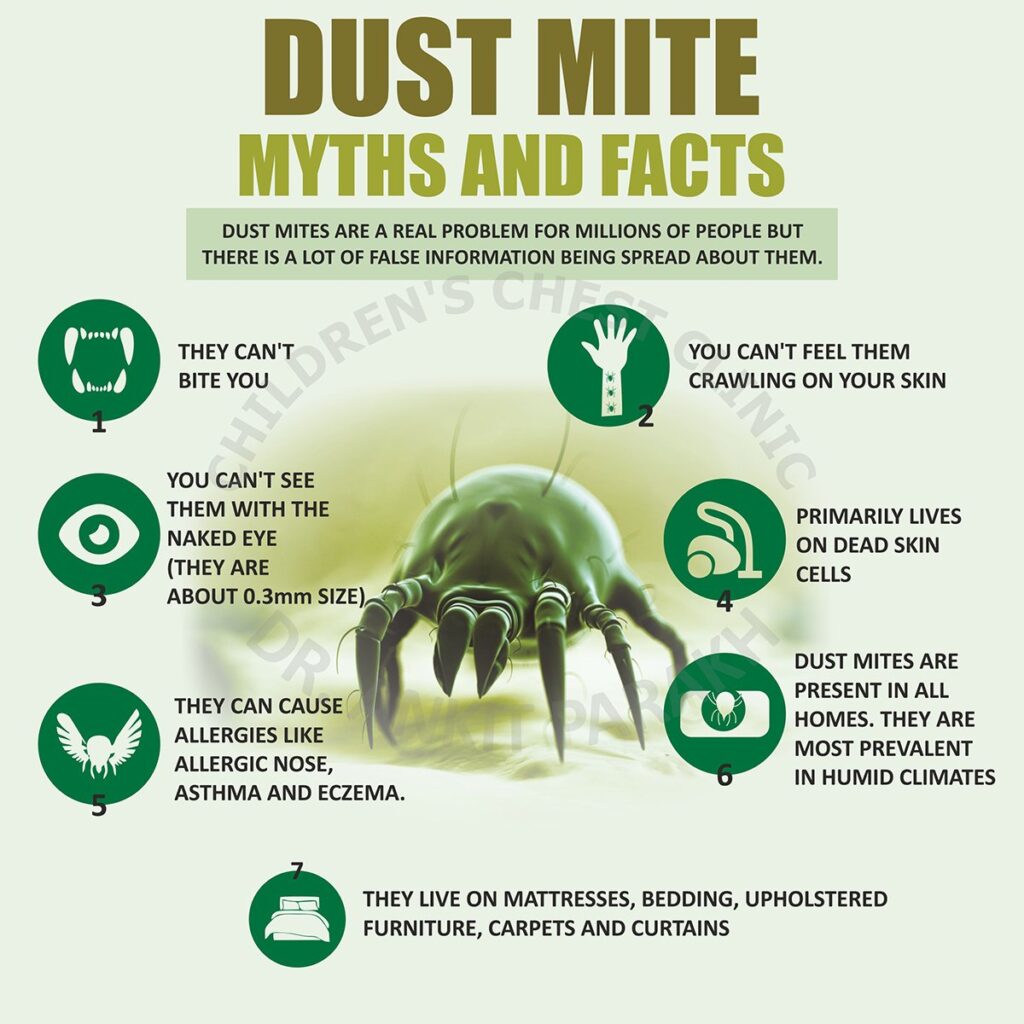
Dust mites, also known as acari della polvere in Italian, are tiny eight-legged creatures that live in dust and feed on human skin cells, hair, and other organic matter. They are not visible to the naked eye, but they can have a significant impact on our health.
What are Dust Mites?
Dust mites are microscopic arachnids that belong to the family Acari. They are found in almost every environment, from homes and offices to hospitals and schools. These tiny creatures thrive in warm, humid environments, which is why they are more commonly found in areas with high temperatures and humidity levels.
Are Dust Mites Allergenic?
Yes, dust mites are allergenic, meaning they can trigger allergic reactions in some people. The allergens produced by dust mites are proteins that become airborne and can be inhaled, causing symptoms such as sneezing, congestion, and itchy eyes. In severe cases, dust mite allergies can lead to asthma attacks, sinusitis, and other respiratory problems.
How Common are Dust Mite Allergies?
Dust mite allergies are more common than you think. According to the Province of Belluno, they are responsible for 47% of all allergies with respiratory symptoms. This means that if you have a dust mite allergy, you may experience symptoms such as wheezing, coughing, and shortness of breath.
What Causes Dust Mites?
Dust mites thrive in warm, humid environments and feed on organic matter found in homes. They can be found in carpets, upholstered furniture, and bedding, making them a common allergen in many households. In fact, it’s estimated that there are 100-500 dust mites per gram of dust!
How Do Dust Mites Reproduce?
Dust mites reproduce rapidly, with females laying up to 50 eggs at a time. The entire lifecycle of a dust mite can take just two weeks, from egg to adult. This rapid reproduction rate is one of the reasons why dust mites are so difficult to eliminate.
What’s the Impact on Skin?
While dust mites don’t bite or sting, they can still cause skin problems for some people. They release waste products that can irritate the skin and trigger allergic reactions, which can manifest as pruritus (itching) and erythema (redness).
How to Identify Dust Mite Allergies
If you suspect you have a dust mite allergy, look out for these common symptoms:
- Itchy eyes
- Sneezing
- Congestion
- Runny nose
- Coughing
- Shortness of breath
What Can You Do to Eliminate Dust Mites?
To eliminate dust mites, use the following methods:
- Use a dehumidifier to keep humidity levels below 50%
- Wash bedding in hot water (at least 130°F) once a week
- Dry cleaning or dry washing can also kill dust mites
- Use an air purifier to reduce airborne allergens
- Consider using acaricidal sprays or powders, which are available on Amazon
What’s the Best Way to Clean Your Home?
To eliminate dust mites and reduce allergen levels in your home:
- Vacuum carpets and upholstered furniture regularly
- Use a HEPA-filter vacuum cleaner, which can capture 99.97% of particles as small as 0.3 microns
- Dust surfaces with a damp cloth to trap dust particles
- Remove clutter from your home and keep surfaces clear
What Can You Do to Prevent Allergies?
To prevent allergies from developing:
- Keep your home clean and well-maintained
- Use allergen-proof bedding and mattress covers
- Wash bedding in hot water regularly
- Avoid exposure to pets, which can carry dust mites on their fur or skin
Tips for Reducing Dust Mite Allergens
Here are some additional tips for reducing dust mite allergens:
- Remove carpets from bedrooms and replace with hardwood or tile floors
- Use a dehumidifier in the bedroom to keep humidity levels below 50%
- Wash bedding in hot water at least once a week
- Dry clean or dry wash items that can’t be washed in hot water
- Consider using an air purifier in your home
Conclusion
Dust mites are a common allergen that can cause significant discomfort and health problems. By understanding how they work and what causes them to thrive, you can take steps to eliminate them from your home. Remember to use dehumidifiers, wash bedding regularly, and consider using acaricidal sprays or powders.
FAQs
- What are the most common symptoms of dust mite allergies?
- Itchy eyes
- Sneezing
- Congestion
- Runny nose
- Coughing
- Shortness of breath
- How can I identify if I have a dust mite allergy?
- Look out for these common symptoms: itchy eyes, sneezing, congestion, runny nose, coughing, and shortness of breath.
- What’s the best way to eliminate dust mites from my home?
- Use dehumidifiers, wash bedding regularly, dry clean or dry wash, use an air purifier, and consider using acaricidal sprays or powders.
- Can I prevent allergies by keeping my home clean?
- Yes! Keeping your home clean and well-maintained can reduce allergen levels and help prevent allergies from developing.
- Are dust mites only found in carpets and upholstered furniture?
- No, they can be found in other areas of your home as well, such as bedding, curtains, and even clothing.
- How often should I wash my bedding to prevent dust mite infestations?
- Wash bedding in hot water (at least 130°F) once a week to kill dust mites and reduce allergen levels.
- Can I use regular vacuum cleaners to eliminate dust mites?
- No, regular vacuum cleaners may not be effective against dust mites. Use a HEPA-filter vacuum cleaner instead.
- Are there any other ways to prevent dust mite allergies besides washing bedding?
- Yes! Using allergen-proof bedding and mattress covers, removing clutter from your home, and avoiding exposure to pets can also help reduce dust mite levels.
Prevention is Key
Preventing dust mite allergies requires a combination of cleaning and prevention strategies. By keeping your home clean and well-maintained, using allergen-proof bedding and mattress covers, and washing bedding in hot water regularly, you can reduce the risk of developing a dust mite allergy. Remember to also avoid exposure to pets, which can carry dust mites on their fur or skin.
Conclusion
In conclusion, dust mites are a common allergen that can cause significant discomfort and health problems. By understanding how they work and what causes them to thrive, you can take steps to eliminate them from your home. Remember to use dehumidifiers, wash bedding regularly, and consider using acaricidal sprays or powders. With the right prevention strategies, you can reduce the risk of developing a dust mite allergy and enjoy a healthier, happier life.
Additional Resources
If you’re looking for more information on dust mites and allergies, here are some additional resources to check out:
- National Institute of Allergy and Infectious Diseases (NIAID)
- American Academy of Allergy, Asthma & Immunology (AAAAI)
- Environmental Protection Agency (EPA)
By taking the right steps to eliminate dust mites from your home and prevent allergies, you can breathe easy knowing that you’re protecting yourself and your loved ones from the dangers of these tiny creatures.


