
Introduction
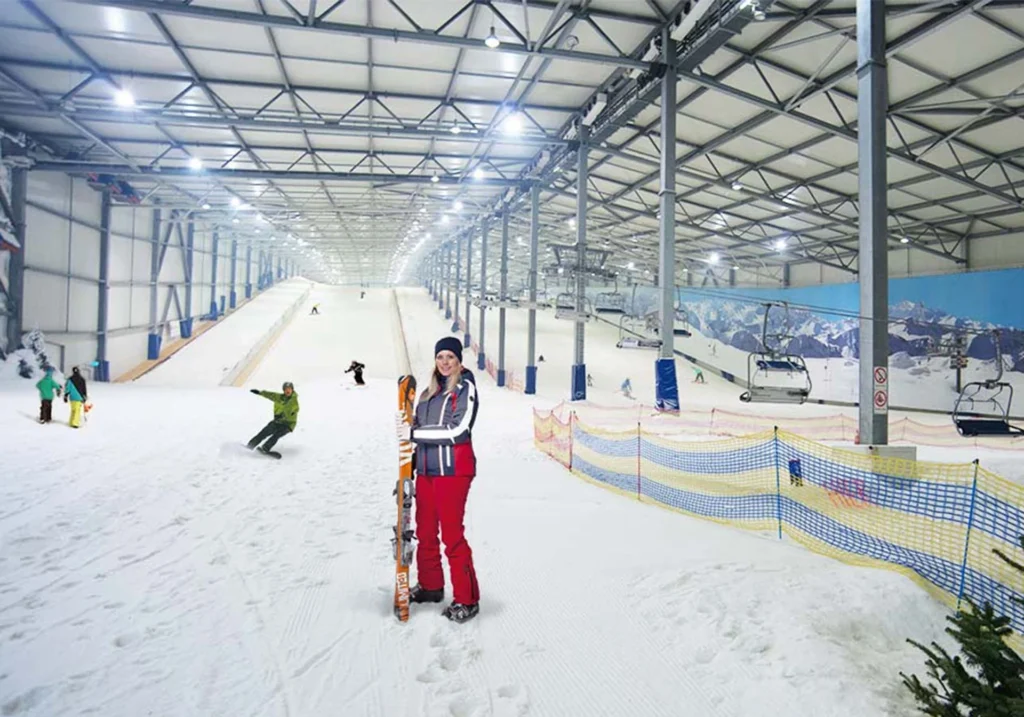
As we look to the future of sustainable tourism, one destination stands out for its commitment to renewable energy and reducing carbon footprint. Located in Hamburg-Wittenburg, Germany, the Amburgo-Wittenburg Alpine Center is a ski resort like no other. With its innovative use of solar power, this center is setting a new standard for eco-friendly skiing.
A Brief History
Located in one of Europe’s largest ski centers, the Amburgo-Wittenburg Alpine Center has been at the forefront of sustainable development. The resort’s energy needs are met by a massive 3.6 MW solar panel array installed on the roof of the entire building. This innovative solution not only reduces the center’s reliance on public electricity but also allows it to operate 365 days a year.
The Amburgo-Wittenburg Alpine Center has a rich history that dates back to the late 19th century when it was first opened as a winter sports resort. Over the years, the resort has undergone several transformations and expansions, with a focus on maintaining its natural beauty while incorporating modern technology and sustainable practices.
A Marvel of Engineering
The Amburgo-Wittenburg Alpine Center is no ordinary ski resort. With its sprawling 30,000 sqm of pistes and snowy landscape, it’s a haven for winter sports enthusiasts. But what sets this center apart is its cutting-edge energy system. The solar panels generate enough electricity to power the entire facility, making it virtually independent from public electricity.
The resort’s energy system is designed to be efficient and sustainable, with a focus on reducing waste and minimizing its carbon footprint. The solar panels are installed on the roof of the building, using a unique design that allows for maximum exposure to sunlight. This innovative solution not only reduces the center’s reliance on public electricity but also generates clean power that can be used to charge electric vehicles or provide backup power during outages.
Reducing Carbon Footprint
But the benefits don’t stop there. By harnessing renewable energy, the Amburgo-Wittenburg Alpine Center has significantly reduced its carbon footprint. This is a significant achievement, especially considering that Germany’s public funding for sustainable energy projects has been minimal. The resort’s commitment to sustainability is truly admirable.
The center’s efforts to reduce its carbon footprint have not gone unnoticed by environmental organizations and local authorities. In 2019, the Amburgo-Wittenburg Alpine Center was awarded the prestigious “Green Tourist” award for its innovative use of renewable energy and sustainable practices.
The Science Behind Solar Power
So how does it work? Simply put, the solar panels on the roof of the center generate electricity during the day. This electricity is then used to power the facility’s systems, including its cooling units. By reducing the load on these units, the solar panels help keep the center’s temperature lower by 50%. This means that not only does the resort produce clean energy, but it also reduces energy waste.
The use of solar power has several benefits for the environment and the local community. For one, it reduces greenhouse gas emissions and pollution associated with traditional fossil fuel-based power plants. Additionally, the center’s reliance on renewable energy helps to promote energy independence and reduce its dependence on public electricity.
A Model for Sustainable Tourism
The Amburgo-Wittenburg Alpine Center is a shining example of how sustainable tourism can be achieved without sacrificing quality or luxury. By embracing renewable energy and reducing its carbon footprint, this resort is setting a new standard for eco-friendly skiing. As the world looks to reduce its reliance on fossil fuels, destinations like this will become increasingly important.
The center’s commitment to sustainability has also inspired other ski resorts around the world to follow in its footsteps. In fact, several major ski resorts have already implemented similar solar panel systems and sustainable practices, demonstrating the potential for eco-friendly skiing to become a mainstream reality.
Conclusion
In conclusion, the Amburgo-Wittenburg Alpine Center is a remarkable example of sustainable development in the ski industry. By harnessing renewable energy and reducing its carbon footprint, this resort is paving the way for a more sustainable future. Whether you’re a skier or just looking for an eco-friendly vacation spot, this destination is definitely worth considering.
Frequently Asked Questions
Q: How much energy does the Amburgo-Wittenburg Alpine Center produce with its solar panels?
A: The resort’s 3.6 MW solar panel array generates enough electricity to power the entire facility.
Q: Why was public funding for renewable energy minimal in Germany?
A: Public funding for sustainable energy projects has been limited in Germany, making it difficult for resorts like the Amburgo-Wittenburg Alpine Center to achieve their goals without private investment.
Q: How does the solar panel system reduce the center’s temperature?
A: By generating electricity during the day and using it to power the facility’s cooling units, the solar panels reduce the load on these units by 50%, keeping the center’s temperature lower.
Q: What is the benefit of harnessing renewable energy for ski resorts like Amburgo-Wittenburg Alpine Center?
A: Renewable energy reduces carbon footprint, decreases reliance on public electricity, and provides a sustainable source of power.
Q: Is the Amburgo-Wittenburg Alpine Center a model for sustainable tourism?
A: Yes, this resort is a shining example of how sustainable tourism can be achieved without sacrificing quality or luxury.
Q: How does the center’s energy system impact its operations?
A: The solar panel system allows the resort to operate 365 days a year and reduces energy costs by generating clean power.
Q: Can I visit the Amburgo-Wittenburg Alpine Center during the summer months?
A: Yes, while the resort is primarily used for skiing, it also offers other activities and amenities that are available year-round.
Q: What is the future of sustainable tourism in the ski industry?
A: As concern about climate change grows, destinations like the Amburgo-Wittenburg Alpine Center will become increasingly important as models for sustainable tourism.
Q: How does the center’s use of solar power compare to other energy sources?
A: Solar power is a clean and renewable source of energy that produces zero greenhouse gas emissions or pollution.


