
Are you ready to embark on a culinary journey with one of the most versatile and nutritious flours in the world? Look no further than coconut flour! This amazing ingredient has been gaining popularity in recent years due to its numerous health benefits, versatility, and ease of use. In this article, we will delve into the nutritional values, uses, and benefits of coconut flour, as well as explore its various applications in cooking, beauty treatments, and even hair care.
What is Coconut Flour?
Coconut flour is a type of flour made from dried and ground coconut meat. It is naturally gluten-free, making it an excellent alternative for those with gluten intolerance or sensitivity. Unlike traditional flours, coconut flour does not contain any grains, making it a popular choice among health-conscious individuals.
Nutritional Values of Coconut Flour
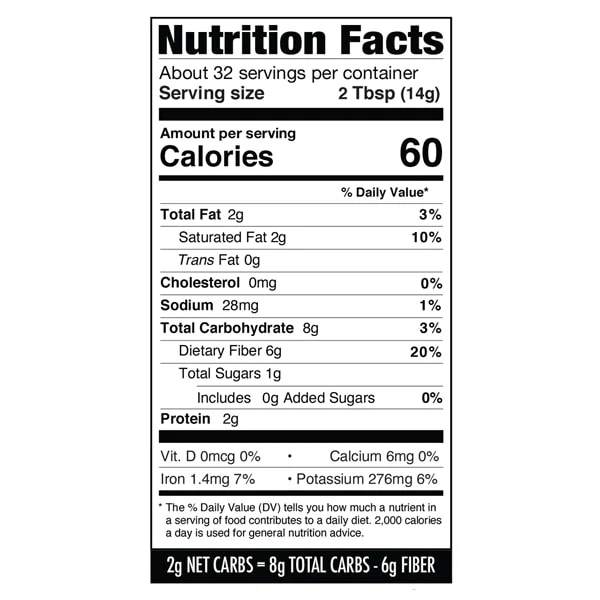
Coconut flour is an excellent source of dietary fiber, containing 16g per 100g serving. It also provides healthy fats, protein, and various essential vitamins and minerals. However, it’s crucial to note that coconut flour can be high in calories due to its fat content.
Here are the nutritional values for 100g of coconut flour:
- Calories: 600 kcal
- Fat: 64.53g (saturated fat: 57.22g)
- Carbohydrates: 7.35g (sugars: 7.35g)
- Fiber: 16.3g
- Protein: 6.88g
Uses of Coconut Flour
Coconut flour can be used in a variety of dishes, from sweet treats to savory meals. Here are some popular uses:
Baking with Coconut Flour
Coconut flour is an excellent substitute for traditional flours in baking. It absorbs liquid differently than traditional flours, so recipes may need to be adjusted accordingly. Try making coconut flour chocolate chip cookies or coconut flour pancakes!
- Use 1/4 cup of coconut flour as a replacement for 1 cup of all-purpose flour.
- Adjust the amount of liquid in your recipe, as coconut flour can absorb more moisture than traditional flours.
Smoothies and Batters
Add coconut flour to your favorite smoothie recipe for an extra boost of fiber and protein. You can also use it as a thickening agent in baked goods.
- Mix 1-2 tablespoons of coconut flour with 1 cup of liquid (such as milk or water) to create a natural thickener.
- Add coconut flour to your favorite smoothie recipe for an extra dose of nutrition.
Beauty Treatments
Coconut flour has various benefits for the skin, hair, and nails. Here are some ways to incorporate it into your beauty routine:
- Use coconut flour as a face mask to tighten pores and reduce acne.
- Mix 1 tablespoon of coconut flour with 2 tablespoons of honey or yogurt to create a soothing face mask.
- Apply coconut oil and coconut flour mixture to dry ends of hair for an intense moisturizing treatment.
Hair Care
Coconut flour can be used as a natural hair mask to nourish and strengthen your locks. Mix it with coconut oil, honey, or olive oil for the best results.
- Use 1/2 cup of coconut flour mixed with 1/4 cup of coconut oil and 1 tablespoon of honey as a hydrating hair mask.
- Apply the mixture to your hair, from roots to ends, and leave it on for at least an hour before shampooing.
Other Uses of Coconut Flour
Besides cooking and beauty treatments, coconut flour has various other uses:
- Use it as a thickening agent in soups, stews, and sauces.
- Mix 1 tablespoon of coconut flour with 2 cups of liquid to create a natural thickener.
- Make homemade dog treats using coconut flour as a binding agent.
- Mix 1 cup of coconut flour with 1/4 cup of coconut oil and 1 egg as a healthy treat for your furry friend.
Where to Buy Coconut Flour?
Coconut flour can be found at most health food stores or online retailers. Look for high-quality products that are certified gluten-free and contain minimal additives.
- Some popular brands include Bob’s Red Mill, Anthony’s, and Nutiva.
- Be sure to check the ingredient label for any added preservatives or sugars.
Tips for Using Coconut Flour
When using coconut flour, keep the following tips in mind:
- Use it in moderation due to its high calorie content.
- Adjust the liquid content in your recipe accordingly, as coconut flour can absorb more moisture than traditional flours.
- Mix coconut flour with other ingredients to create a balanced flavor and texture.
Conclusion
Coconut flour is an incredible ingredient with numerous benefits for cooking, beauty treatments, and hair care. Its versatility, nutritional value, and ease of use make it a staple in many households. Whether you’re a health enthusiast or simply looking to spice up your recipe repertoire, coconut flour is definitely worth exploring!
By incorporating coconut flour into your lifestyle, you can experience the numerous benefits it has to offer. Whether you’re looking to improve your cooking skills, enhance your beauty routine, or simply explore new ingredients, coconut flour is definitely worth trying!
Frequently Asked Questions (FAQs)
1. Is Coconut Flour Gluten-Free?
Yes, coconut flour is naturally gluten-free.
2. Can I Use Coconut Flour as a Substitute for All-Purpose Flour?
No, coconut flour absorbs liquid differently than traditional flours, so recipes may need to be adjusted accordingly.
3. What are the Benefits of Using Coconut Flour in Beauty Treatments?
Coconut flour can help tighten pores, reduce acne, and nourish the skin, hair, and nails due to its high fiber and protein content.
4. Can I Use Coconut Flour as a Thickening Agent in Sauces and Soups?
Yes, coconut flour is an excellent thickening agent due to its high fiber content.
5. How Do I Store Coconut Flour?
Store coconut flour in an airtight container at room temperature or in the refrigerator for up to 6 months.
By answering these FAQs, you’ll have a better understanding of how to incorporate coconut flour into your lifestyle and make the most of its numerous benefits!


